Introduction
Alternate side parking regulations in New York City are a crucial aspect of urban driving, helping to facilitate street cleaning and ensure orderly traffic flow. These rules are particularly relevant for daily commuters and residents, as they directly affect parking availability and the potential for ticketing. With ongoing changes to these regulations, understanding the current rules is essential for all who navigate the city’s streets.
Current Regulations
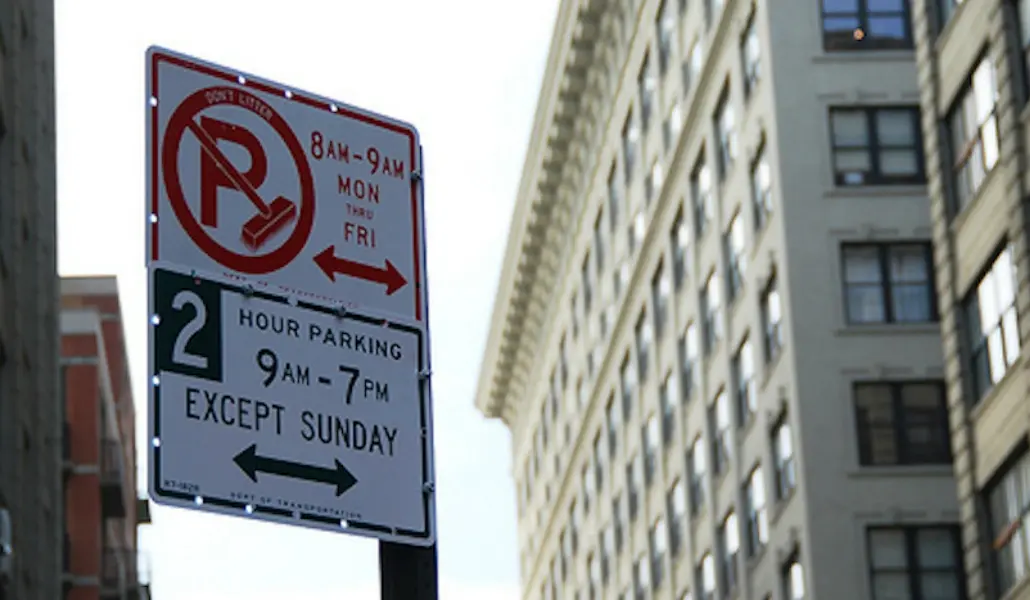
As of October 2023, NYC’s alternate side parking regulations typically require vehicles to be moved from one side of the street to the other at designated times, often twice a week. These times vary based on the street and neighborhood and are typically posted on street signs. The primary goal is to enable street cleaning, allowing sanitation crews to access the roadways without obstruction.
During winter months, alternate side parking rules may also change due to snow removal, and city officials often suspend these rules during major snowstorms to facilitate snow clearance. It is important for drivers to stay updated on suspension announcements, especially during inclement weather.
Recent Developments
Recently, the NYC Department of Transportation announced an initiative aimed at revising parking rules to accommodate more flexible parking options, especially for electric vehicle charging stations. This initiative may lead to an increase in designated parking spots that consider the growing need for electric vehicle infrastructure.
Additionally, the implementation of digital tools, such as mobile apps, is on the rise, allowing drivers to receive real-time updates and reminders about alternate side parking schedules. These tools also aid in minimizing the risk of receiving tickets by ensuring that drivers are notified in advance before their vicinity is scheduled for cleaning.
Conclusion
Understanding and adhering to alternate side parking regulations in NYC remains critical for residents and visitors alike. With ongoing updates, and the adoption of technology to improve the parking experience, drivers can better navigate these rules to avoid fines while contributing to the city’s cleanliness. As NYC continues to evolve its parking strategy, it is likely that drivers can expect even more adaptive measures to accommodate changing urban landscapes and the needs of its residents.