Introduction
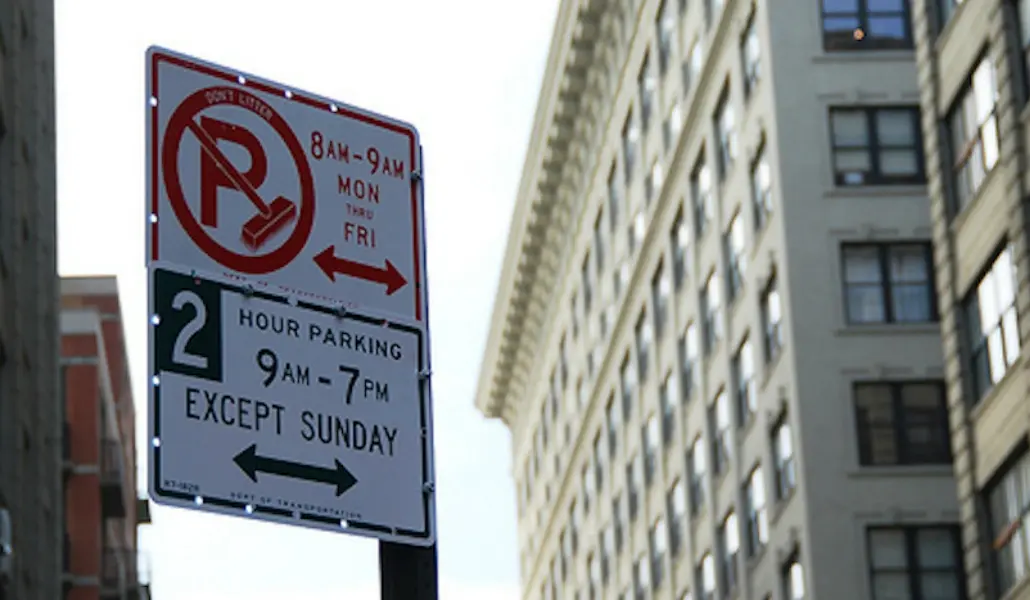
Alternate side parking (ASP) is an essential aspect of New York City’s parking regulations, designed to facilitate street cleaning and maintain clear roadways. As one of the major cities in the United States, New York City faces unique challenges regarding vehicle congestion and cleanliness. SP not only impacts everyday commuters and residents but also plays a significant role in the city’s public health and urban aesthetics. Recent updates to the ASP rules and regulations have significant implications for millions of vehicle owners across the city.
Current Rules and Regulations
As of 2023, NYC’s Department of Transportation (DOT) continues to enforce ASP regulations, which require drivers to move their vehicles on designated days and times to allow for street cleaning. ASP typically occurs from 11 AM to 12 PM on specific days, depending on the street location. On these days, parking is prohibited on one side of the street, necessitating that vehicles be moved to avoid fines, which can be as high as $65.
In an effort to accommodate residents and enhance transparency, the DOT has introduced a user-friendly calendar that displays ASP schedules for specific locations. This allows drivers to plan their parking in advance. Additionally, in response to community feedback, certain neighborhoods saw a temporary suspension of ASP rules during winter weather conditions, allowing greater flexibility.
Recent Changes and Public Reaction
In 2023, the city made adjustments to the ASP schedule in several neighborhoods, aiming to minimize disruptions for residents while maintaining cleanliness. Some areas now have reduced ASP hours, though this is not uniform across the city. Public reception to these changes has varied. While many appreciate the city’s efforts to create a more user-friendly system, others express concern that the changes may lead to increased congestion or unmet street cleanliness expectations.
The city encourages residents to engage with local representatives about ASP in their neighborhoods, highlighting the importance of public input on maintaining an effective traffic and parking system.
Conclusion
The importance of understanding and adhering to alternate side parking regulations cannot be overstated for NYC residents and visitors. As street cleaning remains a priority for public health and urban aesthetic, it is crucial for vehicle owners to stay informed about changes in the ASP rules. As the city continues to adapt its parking policies, staying updated can prevent unnecessary fines and contribute to a cleaner and more organized New York City.