Importance of Alternate Side Parking
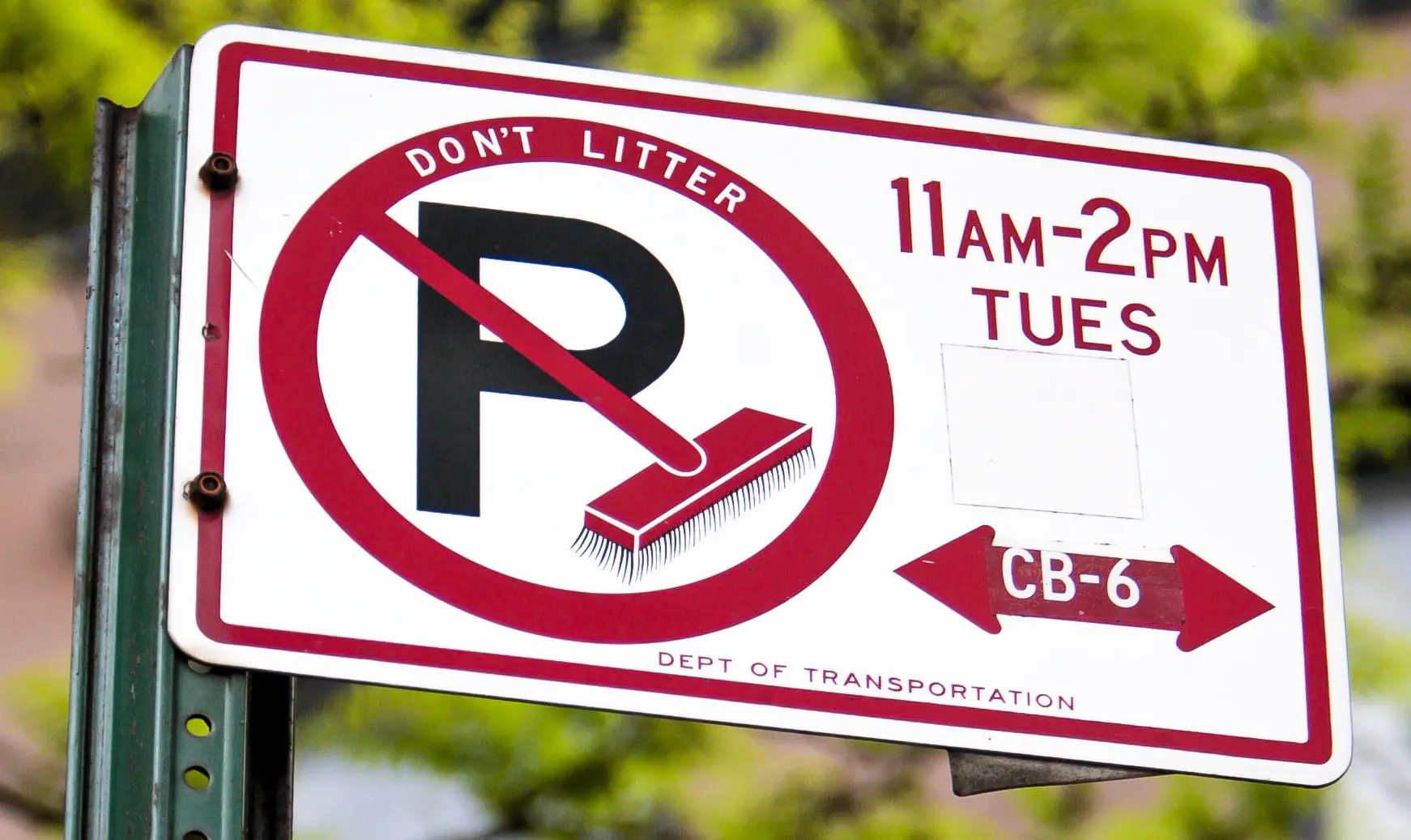
Alternate side parking (ASP) is a significant regulation in New York City aimed at facilitating street cleaning and managing vehicle congestion. The policy requires drivers to move their vehicles from one side of the street to the other on specific days and times, allowing sanitation vehicles to access the roadways for cleanliness. With NYC being one of the most densely populated cities in the world, maintaining clean streets amidst heavy traffic is crucial for public health and safety.
Current Rules and Regulations
As of October 2023, the alternate side parking rules vary across different neighborhoods, typically running from Monday through Friday, with specific times depending on the area. Many neighborhoods observe a two-hour window during which vehicles must be moved. The local Department of Transportation (DOT) posts notices indicating when ASP is in effect, and these can also be found on various mobile apps and websites. Failing to move a vehicle can result in hefty fines ranging from $45 to $70, thus making compliance essential for NYC drivers.
Recent Developments
Recently, there have been discussions about potential changes to the alternate side parking regulations in NYC. With rising concerns regarding the city’s vehicular emissions and pollution levels, local advocacy groups have called for a reevaluation of ASP. In response, city officials are considering solutions that may incorporate a mix of stricter regulations during high-pollution days or potential exemptions for electric vehicles. This conversation is particularly relevant in light of NYC’s ambitious goals to reduce carbon emissions by 80% by 2050.
Public Reaction and Community Impact
Public opinion on alternate side parking varies widely. Some appreciate the initiative for keeping streets clean, while others argue it disproportionately affects those who may not have driveway access or rely on street parking due to the scarcity of garage space. Notably, advocates for the change argue that reducing instances of ASP can save residents time and reduce unnecessary stress, contributing to an overall improved quality of life in the city.
Conclusion
As of now, alternate side parking remains a crucial aspect of NYC’s urban infrastructure strategy. It plays an important role in street maintenance and neighborhood cleanliness while simultaneously fueling discussions about broader traffic and environmental issues. For residents, understanding the implications of ASP is essential not only for avoiding fines but also for engaging in the ongoing conversation about the city’s vehicular policies and their respective impacts on urban life.