Introduction
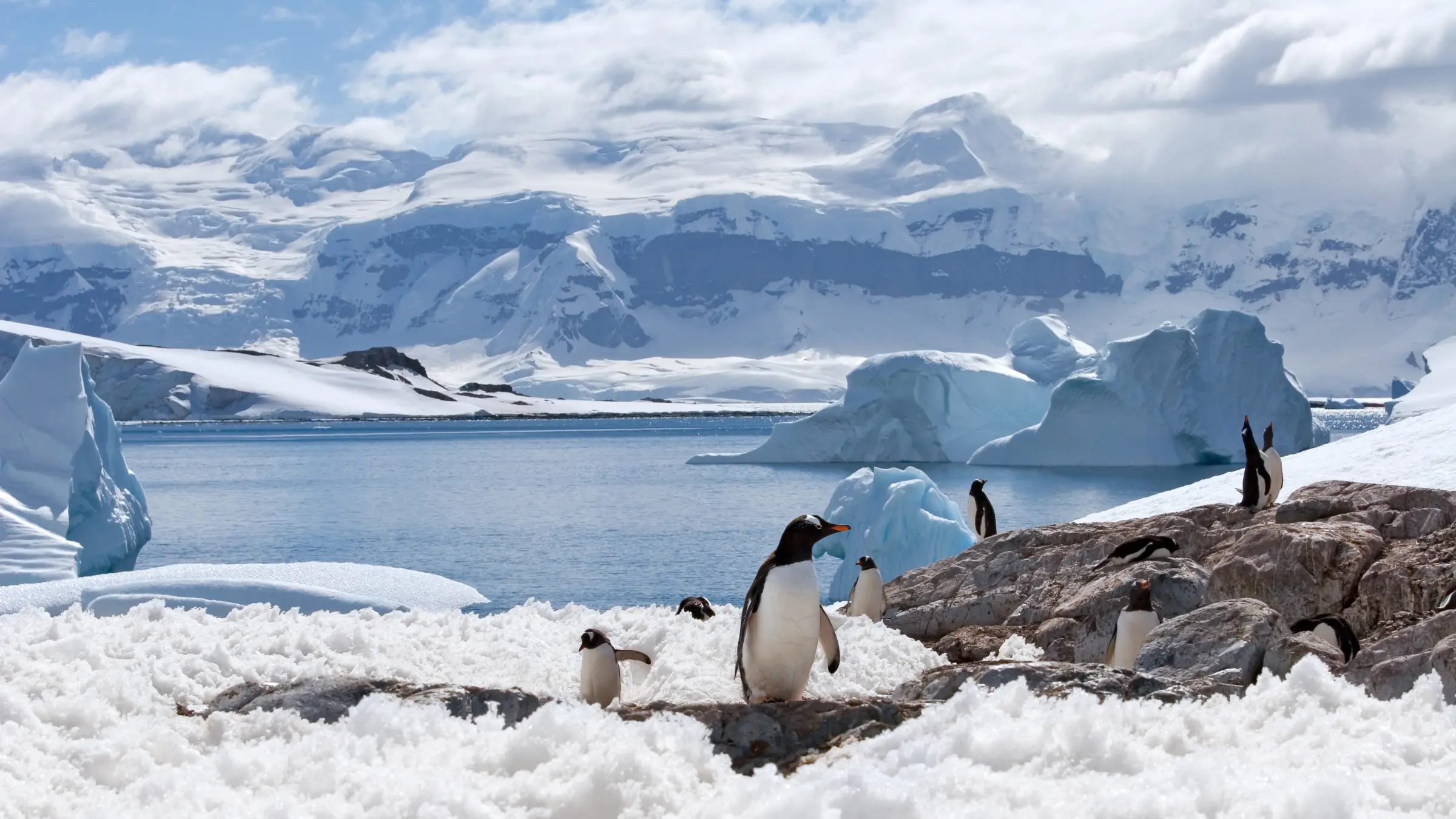
Antarctica, the southernmost continent on Earth, is known for its extreme weather conditions that greatly influence global climate patterns. Understanding the unique climate of this icy region is crucial for climate scientists, environmentalists, and policymakers as it serves as an indicator of the effects of climate change globally. As excursions to Antarctica become more common, awareness of its weather conditions also becomes important for safety and preparation.
Current Weather Conditions
As of October 2023, Antarctica is experiencing its transition into the summer months, leading to gradual warming temperatures. According to the World Meteorological Organization, average temperatures in parts of Antarctica have been rising significantly, with recent records noting summer highs reaching up to -20°C (-4°F) in some coastal areas. In contrast, the interior of the continent remains much colder, often plunging below -50°C (-58°F).
Recent reports indicate that weather patterns are becoming increasingly volatile. For instance, the Antarctic Peninsula, which has experienced rapid warming over the past decades, witnessed unusual weather events this year, including an unexpected summer storm that caused notable ice melting. Sea ice levels around Antarctica are also at their lowest for this time of year, alarming researchers about the potential impact on global sea levels.
Impact on Global Climate
The weather in Antarctica plays a significant role in regulating global climate patterns. For example, it contributes to the circulation of ocean currents and the regulation of atmospheric temperatures worldwide. The melting of Antarctic ice sheets can lead to a rise in global sea levels and is a significant factor in climate change discussions.
Furthermore, changes in weather patterns in Antarctica can affect weather far beyond the continent itself. They can result in altered weather patterns in Southern Hemisphere countries, impacting agricultural productivity, water supply, and biodiversity.
Conclusion
As the climate crisis accelerates, the need to monitor and understand Antarctica’s weather becomes increasingly urgent. The continent’s extreme weather conditions not only inform us about the present state of climate change but also offer vital clues about the future. Researchers urge the international community to invest in climate research and ensure that effective conservation measures are in place, as the consequences of neglecting the health of Antarctica could echo throughout the global ecosystem for generations to come.