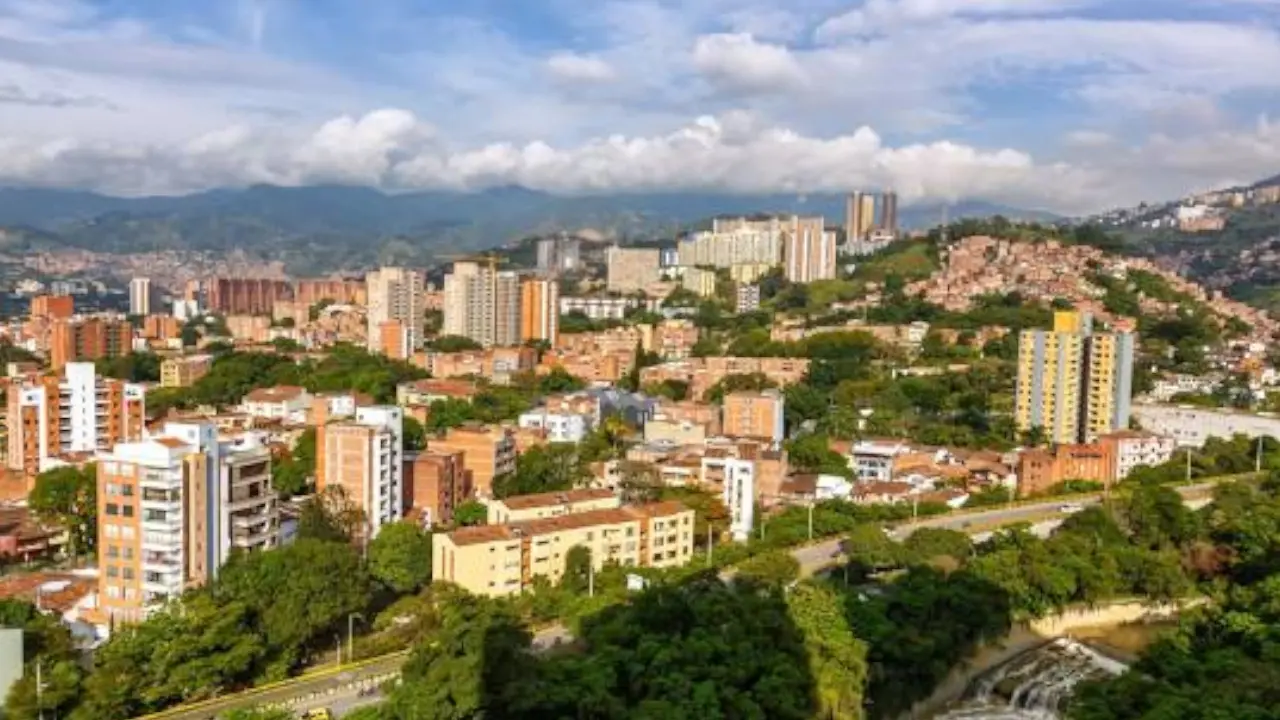
Introduction to Armenia
Armenia, a small landlocked nation located in the South Caucasus region, has a profound historical significance and a vibrant culture. As one of the oldest countries in the world, it boasts a rich tapestry of traditions and is often referred to as the first nation to adopt Christianity as its state religion in 301 AD. Today’s Armenia is not only a reflection of its past but also an active participant in modern geopolitical developments that resonate well beyond its borders.
A Brief Historical Overview
Throughout its history, Armenia has been a focal point of various empires, including the Roman, Byzantine, and Ottoman empires. The Armenian Genocide during World War I remains a critical and painful chapter in Armenian history, significantly affecting its diaspora worldwide. In 1991, Armenia declared independence from the Soviet Union, marking a new era in its political landscape. This newfound sovereignty, however, has been accompanied by challenges, including territorial conflicts, economic issues, and struggles for political stability.
Current Events and Challenges
As of 2023, Armenia is under the spotlight for various reasons, particularly its ongoing tensions with Azerbaijan over the Nagorno-Karabakh region. Following the ceasefire brokered by Russia in 2020, skirmishes and diplomatic row continue to characterize Armenia-Azerbaijan relations. The recent escalation of violence has drawn international attention, urging calls for peace and negotiations. In a significant development this year, leaders worldwide have initiated talks aimed at fostering dialogue and potential resolutions.
Cultural Significance and Tourism
Beyond its political landscape, Armenia is celebrated for its rich cultural heritage. The country is home to ancient churches, cultural festivals, and exquisite traditional cuisine, which attract tourists from around the globe. UNESCO recognizes several Armenian churches and monuments, such as the Cathedral of Etchmiadzin and the Monastery of Geghard, as world heritage sites, emphasizing their historical and architectural significance.
Conclusion
As Armenia navigates through its complex history and modern challenges, it remains a key player in the South Caucasus. Understanding Armenia’s rich cultural heritage and current geopolitical issues is essential not only for historians and political analysts but for anyone interested in the global dynamics that shape our world. The future of Armenia depends on successful peace negotiations and the preservation of its cultural identity, making it a nation worth watching in the coming years.