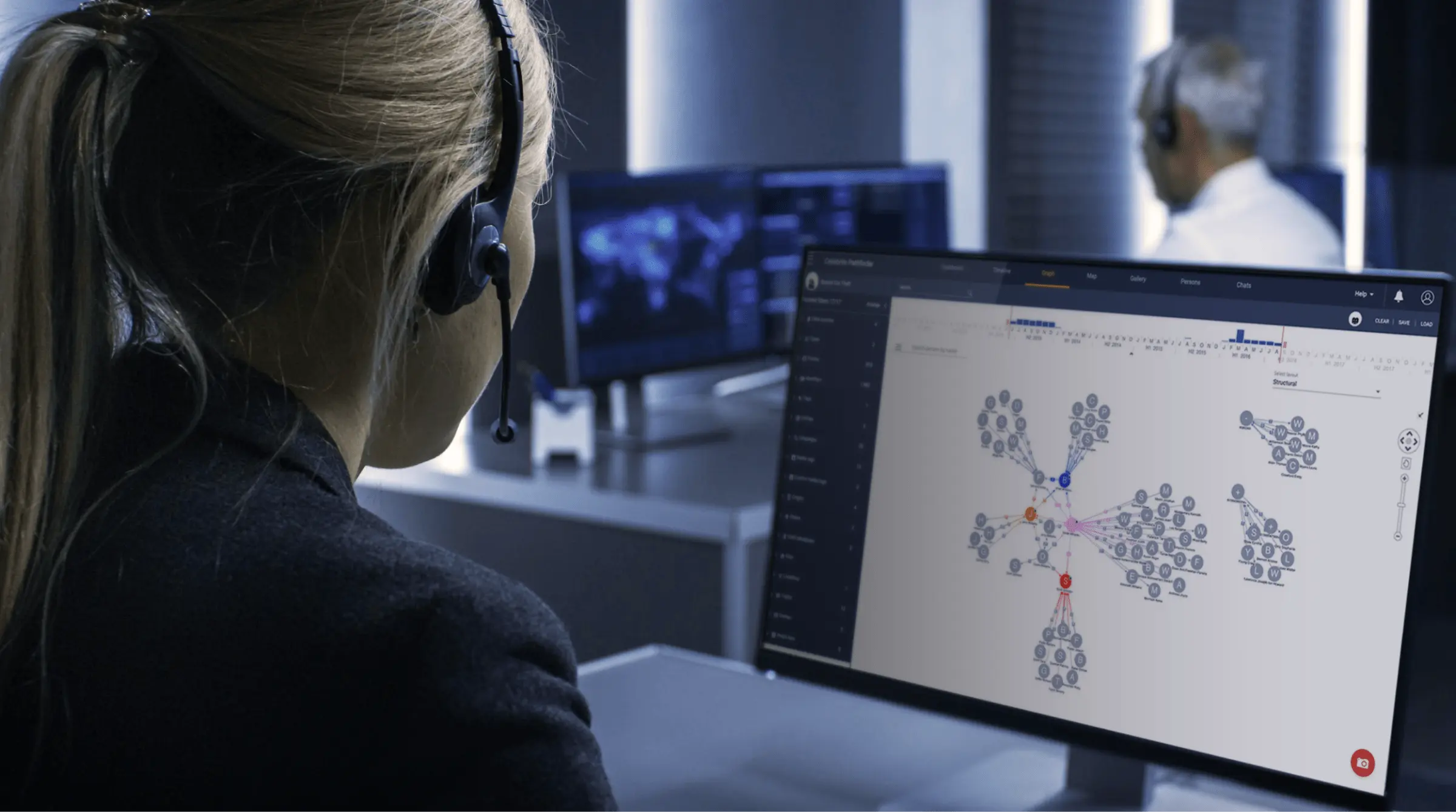
Introduction to Cellebrite
Cellebrite, a global leader in digital intelligence, has made significant strides in providing solutions to law enforcement agencies, enabling them to access and analyze data from mobile devices. Founded in 1999 and based in Israel, the company has garnered attention for its ability to unlock smartphones and other digital devices, a tool that has been crucial in criminal investigations and intelligence operations. As digital evidence becomes increasingly integral to law enforcement efforts worldwide, Cellebrite’s technology has gained relevance, particularly amidst concerns over privacy and digital security.
Cellebrite’s Key Developments
Recently, Cellebrite has been in the news due to its enhanced extraction capabilities, which allow law enforcement agencies to gather evidence from a broader range of devices and platforms. This includes smartphones from various manufacturers as well as varying operating systems. Their flagship product, the Universal Forensic Extraction Device (UFED), has become a standard tool in the forensic community, allowing investigators to recover deleted files, messages, and application data. With advancements in software updates, Cellebrite’s solutions can now handle the latest encryption protocols and operating system updates, making it an essential resource for modern forensic investigations.
In light of increasing data privacy concerns, Cellebrite has also made efforts to enhance transparency about its operations and how it works with clients. The company emphasizes compliance with legal frameworks and the importance of responsible use of digital intelligence tools. Recently, it has been promoting a more ethical approach to its technology, addressing critiques about potential misuse by emphasizing training for law enforcement on proper procedures and ethical considerations in digital forensics.
Conclusion
As the landscape of digital evidence continues to evolve, Cellebrite remains at the forefront of this critical field. The ongoing development of its products reflects the increasing complexity of digital data and the need for sophisticated tools to access and analyze this information. For law enforcement agencies, Cellebrite’s continuing innovations provide vital tools for fighting crime and ensuring public safety, but they also raise important discussions about privacy, regulation, and the ethical use of technology. As society navigates these critical issues, Cellebrite’s role will likely only grow, impacting how justice is served in the digital age.