Introduction
China, the world’s most populous country, stands as a significant player on the global stage, influencing economic, political, and cultural landscapes. With a population exceeding 1.4 billion and the second-largest economy, China’s actions resonate worldwide. In recent years, the nation’s approach to international relations, technology, and trade has gained heightened attention, especially as it navigates complex geopolitical tensions and global economic shifts.
China’s Economic Power
As of 2023, China has solidified its position as a global economic powerhouse, consistently recording GDP growth rates that outpace many developed nations. According to recent reports from the International Monetary Fund (IMF), China’s economy is projected to expand by 5.2% this year. The country has become a vital hub for manufacturing, exports, and technological innovation, contributing significantly to the global supply chain.
However, challenges loom, including issues like rising debt levels, real estate market instability, and international trade tensions, particularly with the United States. The competition over technology leadership, especially in sectors like 5G and artificial intelligence, underscores the strategic importance of China in the global economy.
Political Landscape and Global Relations
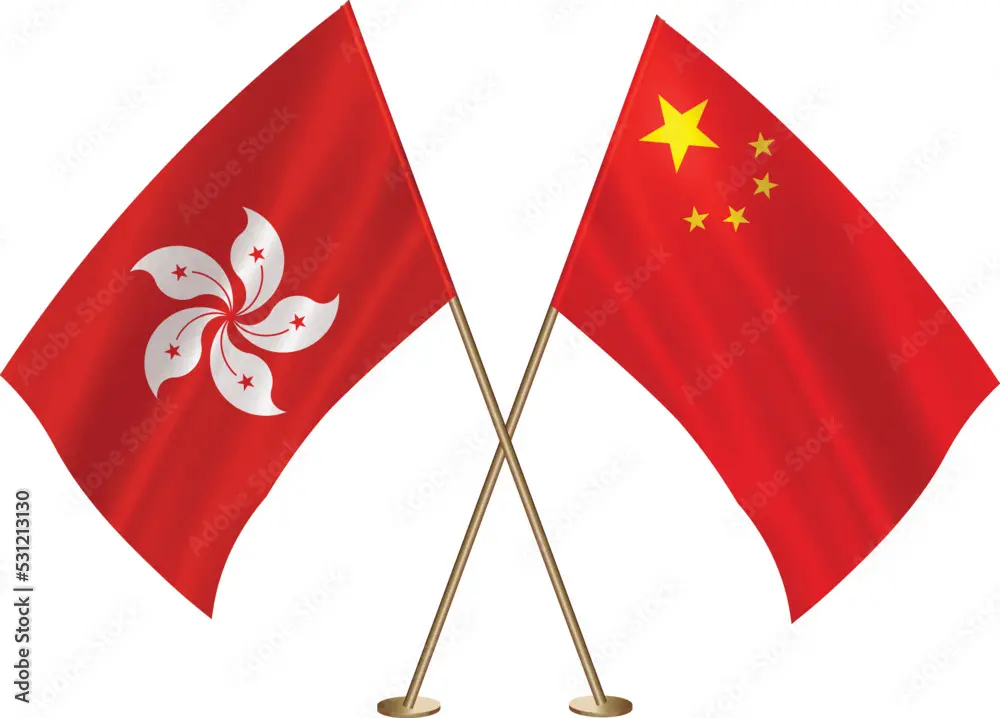
China’s assertive foreign policy has sparked debates and concerns about its intentions. The government’s activities in the South China Sea, as well as its approach to Taiwan and Hong Kong, have raised eyebrows among traditional superpowers. Moreover, China’s Belt and Road Initiative (BRI), aimed at expanding infrastructure and trade connectivity, reflects its ambitions to extend influence across Asia, Africa, and Europe.
Recent diplomatic engagements, including the revival of relationships with Middle Eastern countries and involvement in peace talks concerning Russia and Ukraine, indicate China’s growing role as a mediator on the international stage. However, the country faces scrutiny over its human rights record and its handling of internal dissent.
Cultural Export and Soft Power
Aside from economic and political arenas, China also emphasizes cultural export through initiatives promoting its language and traditions. The government has invested in establishing Confucius Institutes and cultural exchanges, aiming to enhance its soft power globally. Chinese cinema, music, and cuisine are increasingly popular, contributing to a broader understanding of Chinese culture.
Conclusion
China’s influence on the global stage is undeniable, shaping economies, politics, and cultures worldwide. As the nation continues to grow and evolve, understanding its strategies and trajectories will be crucial for countries and individuals alike. Forecasts suggest that China’s grip on economic prosperity and geopolitical strategy will intensify, making it imperative for the world to engage with and respond to China’s actions constructively in the coming years.