Introduction
The creel has been a staple in fishing culture for generations, serving as a vital tool for anglers keen on capturing and retaining their catch. As more people turn to fishing as a recreational activity, understanding the purpose and benefits of using a creel becomes increasingly relevant. This article explores the various aspects of creels, highlighting their types, uses, and significance in today’s sustainable fishing practices.
What is a Creel?
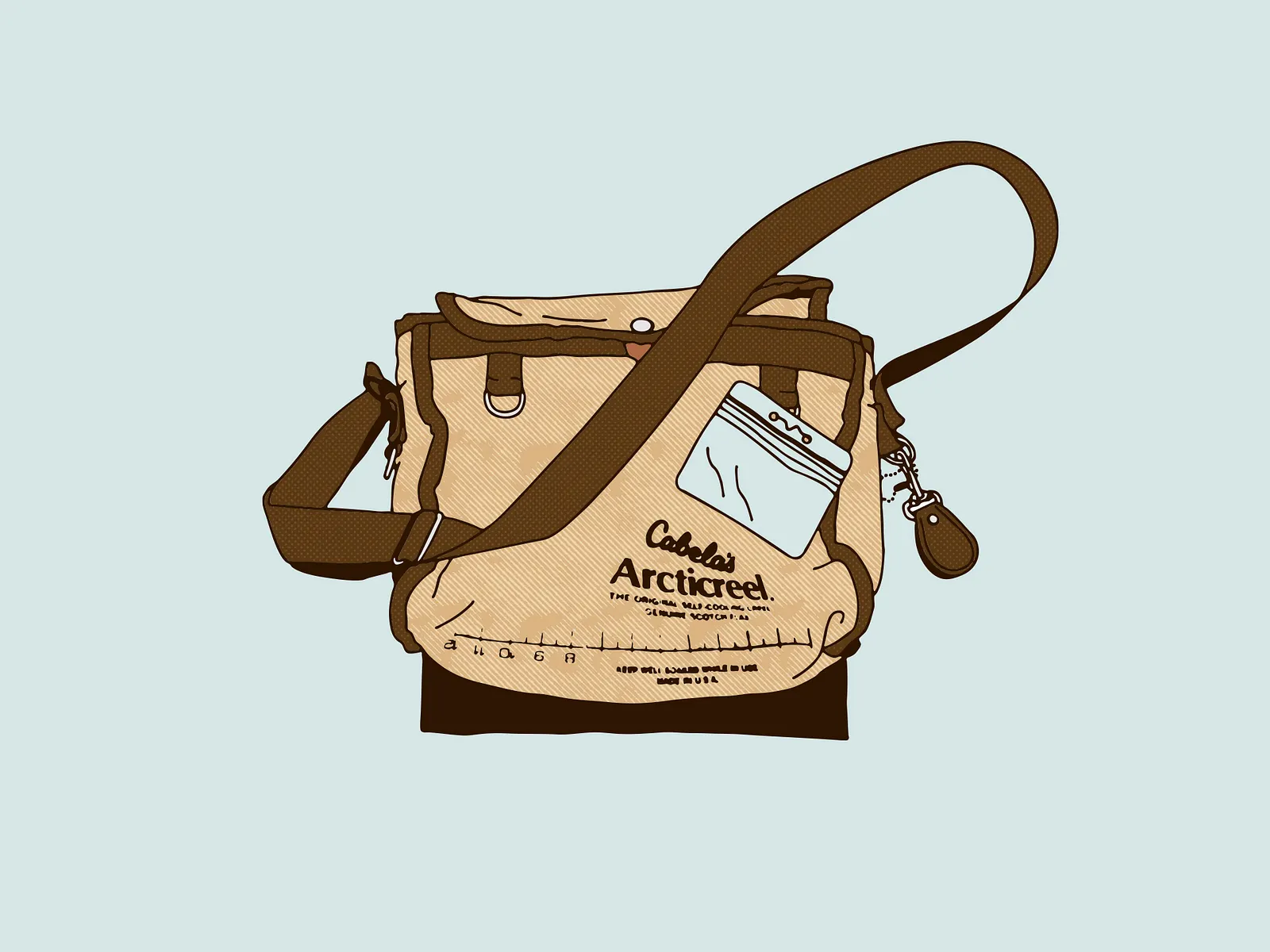
A creel is a traditional basket used by anglers to store fish. Made from materials like wicker, plastic, or canvas, creels come in various shapes and sizes tailored to different fishing environments. Their primary function is to keep fish alive and fresh until the angler completes their fishing trip. Unlike coolers or other storage methods, creels are designed to provide ventilation, ensuring the catch remains healthy and suitable for consumption.
Types of Creels
Creels can be classified into three main types:
- Wicker Creels: The classic style, often made from woven materials, offers a nostalgic charm and has good breathability.
- Soft-Sided Creels: These lightweight and portable designs are made from fabric and often include insulation for thermal protection.
- Hard-Shell Creels: These provide durability and protection against the elements, ideal for anglers who venture into rugged terrains.
Uses and Benefits
Using a creel comes with several benefits. Firstly, it promotes responsible fishing practices by allowing anglers to keep their catch secure and ascertain the health of their fish until they return home. Secondly, the use of a creel encourages catch-and-release techniques, as anglers can carry fish safely back to their fishing location for release if they choose not to keep them.
Moreover, many regions have regulations requiring anglers to use creels to minimize the harm done to fish populations. By promoting catch-and-release and careful handling, creels help sustain fish stocks for future generations.
Conclusion
As fishing continues to gain popularity as both a sport and a leisure activity, the importance of creels remains significant. They embody an essential balance between enjoying the sport and conserving aquatic ecosystems. For anglers looking to invest in a creel, there’s a diverse range of options tailored to various fishing styles and environments. By choosing the right creel, anglers can enhance their fishing experience while also contributing to sustainable fishing practices. With an increased awareness of environmental issues, the appreciation for such traditional tools will only grow, ensuring that creels remain a vital part of fishing for years to come.