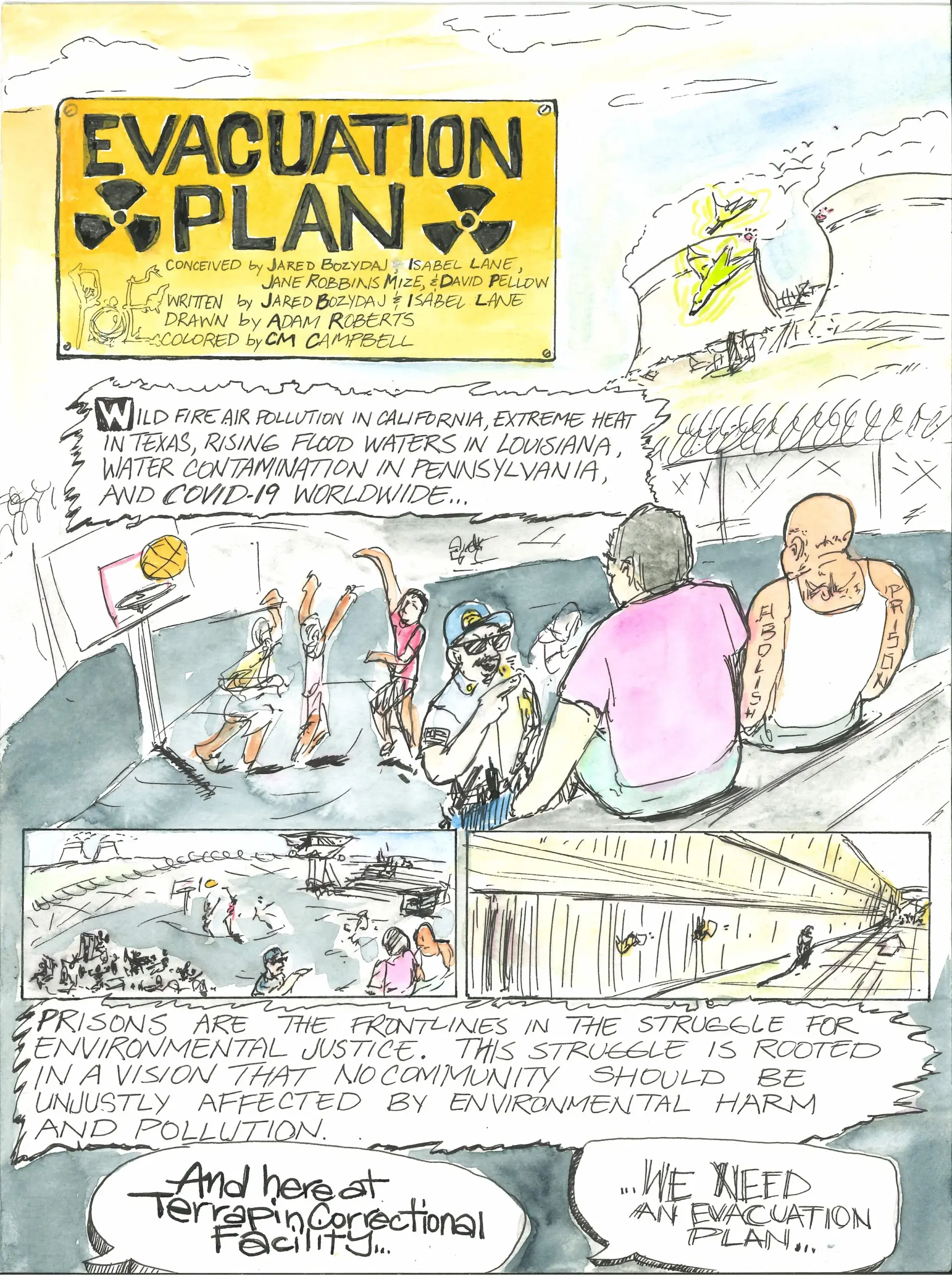
The Importance of Addressing Environmental Issues
In an era marked by rapid industrialization and climate change, environmental issues have emerged as paramount challenges facing humanity. The health of our planet directly impacts the well-being of future generations, making sustainable practices essential. Key environmental concerns include climate change, pollution, biodiversity loss, and resource depletion.
Current Environmental Challenges
According to recent reports, global temperatures are rising, with the Intergovernmental Panel on Climate Change (IPCC) stating that we are on track to exceed a 1.5°C increase above pre-industrial levels by as early as 2030. This trajectory poses severe risks, including extreme weather patterns, rising sea levels, and food security crises.
Pollution remains another critical issue, as evidenced by studies showing that approximately 9 million people die each year due to air pollution. Plastic waste is also wreaking havoc on oceans, with an estimated 11 million metric tons being added annually. Furthermore, the ongoing decline in biodiversity, with over 1 million species at risk of extinction, threatens ecosystems worldwide and ultimately human survival.
Efforts and Solutions
In response to these challenges, governments, organizations, and individuals are taking action. The 2015 Paris Agreement saw countries commit to limiting global warming, with many setting ambitious carbon neutrality goals. A report from the United Nations Environment Programme (UNEP) emphasizes that transformative changes in sectors such as energy, land use, and transportation are necessary to achieve these goals.
Innovative solutions like renewable energy adoption, waste reduction initiatives, and sustainable agriculture practices are being implemented worldwide. For instance, many countries are investing in solar and wind energy, with global capacity for renewable energy now exceeding 2,800 gigawatts.
Looking Forward
As awareness of environmental issues continues to grow, the importance of collective action cannot be overstated. Individuals can contribute to the green revolution by reducing their carbon footprints, advocating for policy changes, and supporting sustainable brands. As we move toward a more sustainable future, investing in the environment is investing in our own health, economy, and quality of life.
Conclusion
The ongoing environmental challenges present an opportunity for innovation and collaboration. While the road ahead may be daunting, the progress made demonstrates that meaningful change is possible. By prioritizing environmental health, we can secure not just the future of our planet, but the very fabric of our societies.