Introduction: The Impact of Dense Fog Advisories
As winter months approach, weather patterns shift significantly, leading to more frequent occurrences of dense fog. The National Weather Service issues dense fog advisories to inform the public about potentially hazardous driving and outdoor conditions. Understanding these advisories is essential for ensuring safety on the roads and making informed decisions during foggy weather.
What is a Dense Fog Advisory?
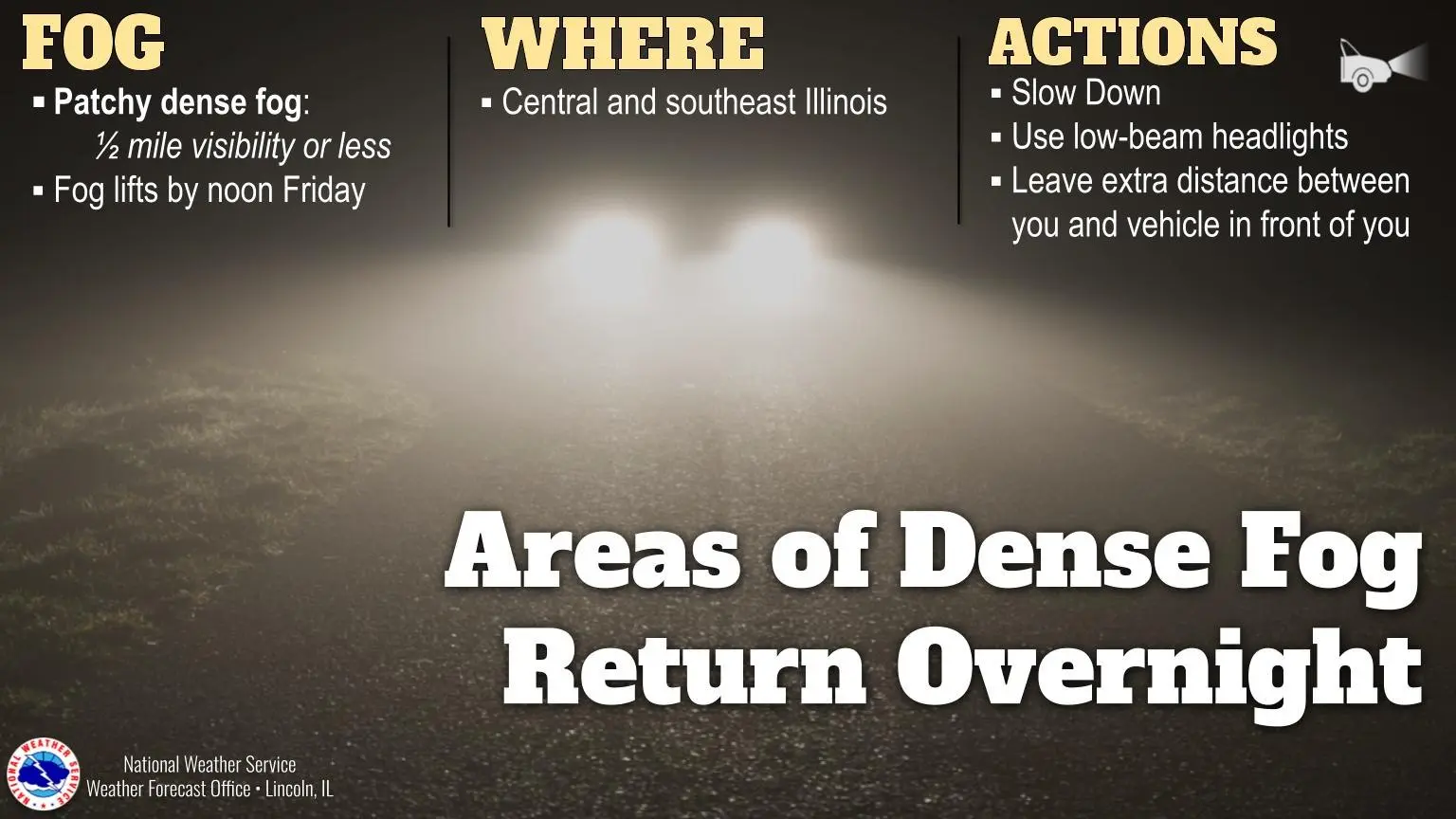
A dense fog advisory is issued when visibility is reduced to less than a quarter mile in fog conditions. This phenomenon can lead to hazardous situations, especially on roadways where drivers may not anticipate sudden changes in visibility. Fog often forms overnight and early in the morning when moist air meets cooler temperatures, creating thick layers that can envelop areas quickly.
Recent Instances of Dense Fog Advisories
Recently, several states across the Midwest and Northeast have faced dense fog advisories. Reports from late October noted that visibility dropped significantly in regions such as Illinois, Indiana, and Pennsylvania, leading to numerous traffic incidents due to the poor sightlines. Emergency services emphasized the importance of adhering to travel advisories and using caution, as car accidents rose by 20% in regions where advisories were active.
Safety Precautions During Dense Fog
When a dense fog advisory is in effect, it’s critical for individuals to take precautions. Here are some recommendations to ensure safety:
- Reduce Speed: Slower speeds increase reaction times and enhance the chances of avoiding accidents.
- Use Low Beam Headlights: High beams can reflect off the fog, causing glare and reducing visibility further.
- Stay Alert: Keep an eye out for pedestrians, cyclists, and other vehicles, as they may be harder to see.
- Avoid Distractions: Focus solely on driving to maintain a clear awareness of surroundings.
- Check Weather Updates: Regularly monitor forecasts and advisories for changing conditions.
Conclusion: Staying Informed and Prepared
As weather patterns continue to fluctuate, being aware of dense fog advisories and their implications is crucial. Authorities advise the public to stay informed through local news and weather updates, especially during the winter months when fog may become more prevalent. By understanding the risks and taking appropriate safety measures, individuals can navigate foggy conditions with greater confidence and security, thereby reducing the likelihood of accidents and ensuring safer travels.