Introduction
A dense fog advisory is an essential weather warning issued by the National Weather Service whenever visibility drops below a quarter-mile due to fog. This phenomenon can occur suddenly and poses significant risks to drivers and pedestrians alike. With increasing instances of unpredictable weather, it is crucial for the public to understand the implications of such advisories and how to respond appropriately.
Current Situation
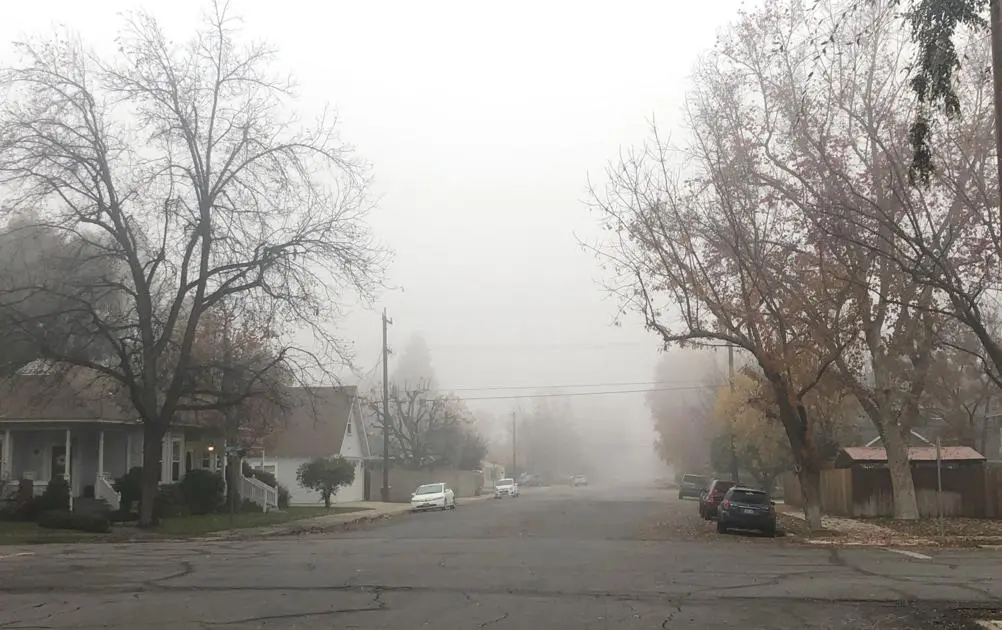
As of late October 2023, several regions across the Midwest and Northeast United States are facing dense fog advisories due to a combination of humid air mixing with colder temperatures overnight. Forecast reports indicated visibility dipping to as low as 100 feet in some areas, creating hazardous driving conditions.
The advisory is expected to remain in effect until mid-morning, encouraging commuters and travelers to exercise extreme caution. Local representatives have urged residents to stay updated with forecasts and consider delaying travel plans if possible. Many traffic incidents have been reported during this period as drivers often misjudge their speed and distance due to reduced visibility.
Safety Guidelines
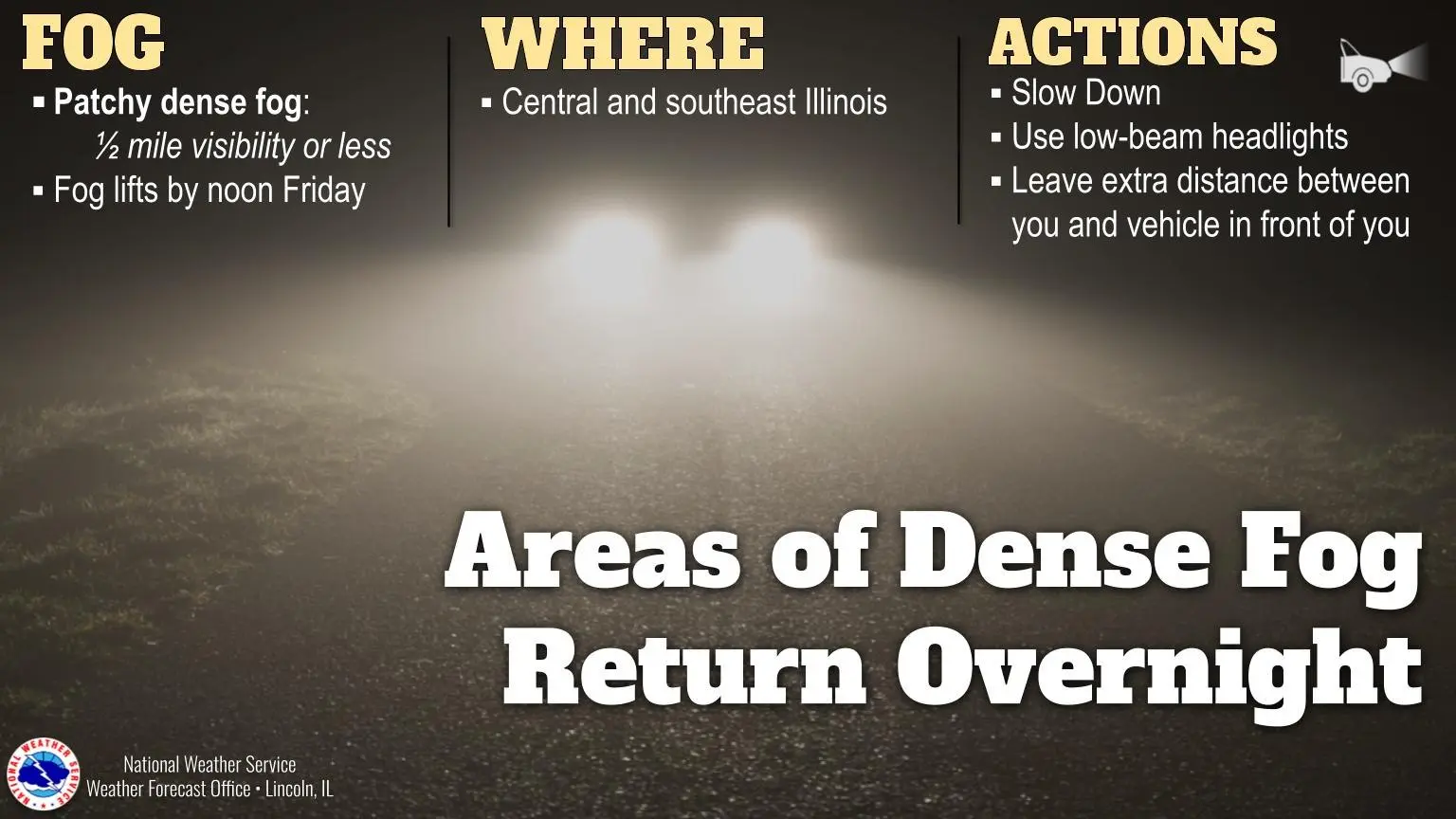
During a dense fog advisory, it is vital to implement safety practices. The National Highway Traffic Safety Administration recommends the following:
- Lower your speed: Driving too fast is one of the top causes of accident occurrences during foggy conditions.
- Use low beam headlights: High beams can reflect off the fog and impair visibility further.
- Maintain a safe following distance: Increase the space between your vehicle and the next, giving you more time to react.
- Listen to weather updates: Weather conditions can change rapidly, so stay informed through local news or weather apps.
Conclusion
In conclusion, a dense fog advisory serves as a significant warning for drivers and residents. Understanding these alerts not only helps in maintaining safety on the road but also enhances general public awareness about outdoor conditions. As climate patterns continue to evolve, the likelihood of encountering such weather phenomena may increase. By staying informed and adopting recommended safety practices, the public can navigate these challenges more effectively.