Introduction
A dense fog advisory is a weather alert issued when visibility is significantly reduced due to fog, often affecting travel and safety. In recent weeks, several regions across the United States have experienced episodes of dense fog, prompting weather agencies to inform the public and encourage caution. Understanding the implications of such advisories is crucial for ensuring safety on the roads and in daily activities.
What is a Dense Fog Advisory?
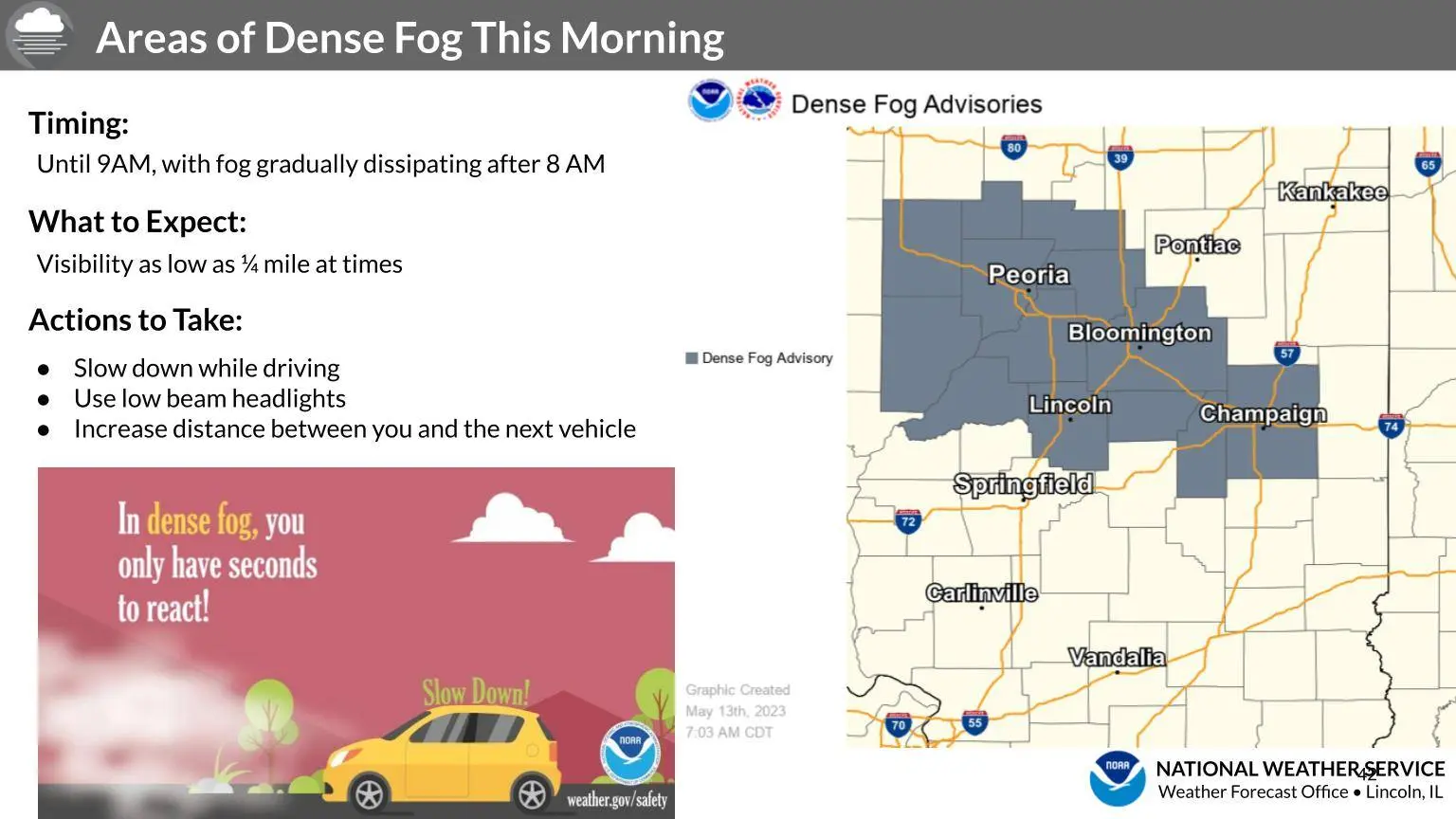
A dense fog advisory is issued by the National Weather Service (NWS) when visibility falls below one-quarter mile in fog. This phenomenon can create hazardous driving conditions, causing delays, accidents, and increased risk of injuries. Fog typically forms under specific conditions, including high humidity and temperature inversions, which are prevalent in certain areas during fall and winter months.
Recent Events and Alerts
In late October 2023, numerous states, including Texas, California, and parts of the Midwest, experienced dense fog, leading to widespread travel disruptions. Airports reported flight delays and cancellations, while local law enforcement advised drivers to exercise caution or avoid travel altogether during peak fog hours, usually in the early morning and late evening.
Weather experts highlighted that dense fog not only creates immediate travel hazards but can also contribute to longer-term disruptions as roadways become congested. Areas affected by advisories saw a surge in traffic incidents attributed to low visibility. For instance, a recent accident on Interstate 95 in New York led to multiple vehicles colliding due to sudden fog that dropped visibility to nearly zero.
Impact on Daily Life
Beyond travel, dense fog can affect various sectors, including shipping, agriculture, and emergency services. Farmers rely on clear visibility for effective communication and operations, while emergency services experience challenges in timely responses. When fog rolls in, air quality can also be compromised due to stagnant air conditions, posing risks for individuals with respiratory issues.
Staying Safe During a Dense Fog Advisory
To stay safe during a dense fog advisory, motorists should slow down, increase their following distance, and use low-beam headlights for better visibility. It’s also advised to avoid sudden stops or maneuvers, as this could endanger other drivers. For those using public transportation, staying updated with real-time alerts and adjusting schedules accordingly is recommended.
Conclusion
Dense fog advisories serve as a critical warning for travelers and citizens alike. As climate patterns continue to evolve, the frequency and severity of fog events may also change, making awareness and preparedness essential. Staying informed about weather conditions and understanding safety protocols helps mitigate risks associated with reduced visibility, ultimately enhancing public safety.