Introduction
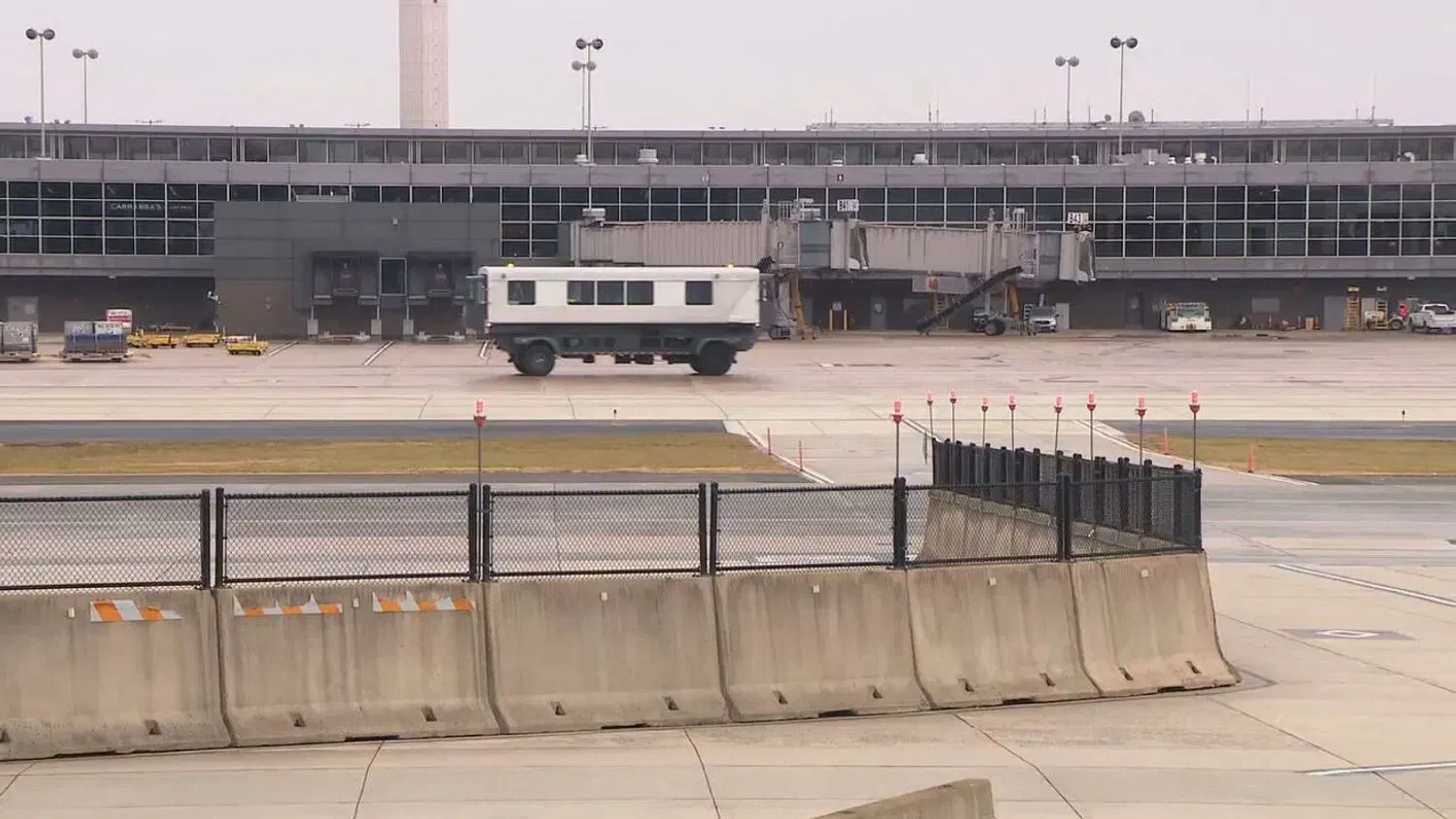
Dulles Airport, officially known as Washington Dulles International Airport (IAD), is a critical transportation hub that plays a significant role in connecting travelers to and from the Washington D.C. metropolitan area. Opened in 1962, the airport serves over 24 million passengers each year and is a major gateway for international arrivals and departures in the United States. Its importance has only grown in the context of modern air travel and economic activities in the region.
Recent Developments and Features
In recent years, Dulles Airport has undergone significant renovations and expansions to enhance passenger experience and accommodate increasing air traffic. In 2022, the airport completed a $3 billion expansion project that included a new concourse, updated terminals, and improved transportation facilities. The project aimed to increase capacity and streamline passenger movement within the airport.
One of the new features is the addition of high-tech security measures, making it one of the safest airports in the country. Biometrics technology has been implemented throughout the airport, allowing for quicker check-ins and boarding processes. Another notable enhancement is the extension of the Dulles Airport Connector, which improves access to the airport from nearby highways and the Metro system, providing visitors with more efficient travel options.
Impact on the Local Economy
Dulles Airport is not only a crucial gateway for travelers but also a significant driver of the local economy. According to a 2023 report from the Metropolitan Washington Airports Authority, the airport supports over 100,000 jobs and contributes approximately $8 billion to the region’s economic output yearly. This impact is felt across various sectors, including hospitality, retail, and transportation, further indicating the airport’s pivotal role in the Washington D.C. area.
Conclusion
As Dulles Airport continues to evolve with technological advancements and infrastructure improvements, its status as a vital transportation hub remains unquestionable. Looking ahead, ongoing upgrades and increased capacity are expected to accommodate a rise in passenger numbers, looking to surpass pre-pandemic levels. For travelers and residents alike, Dulles Airport operates not just as a facility for air travel, but as a significant contributor to the region’s economy and connectivity.