Introduction
Earthquake alerts are critical for saving lives and minimizing damage during seismic events, especially in vulnerable regions. With recent advancements in technology, early warning systems have become more reliable, enabling timely alerts that can inform communities of imminent threats. The significance of earthquake alerts cannot be overstated, as they provide crucial minutes that can mean the difference between life and death.
Recent Events and Developments
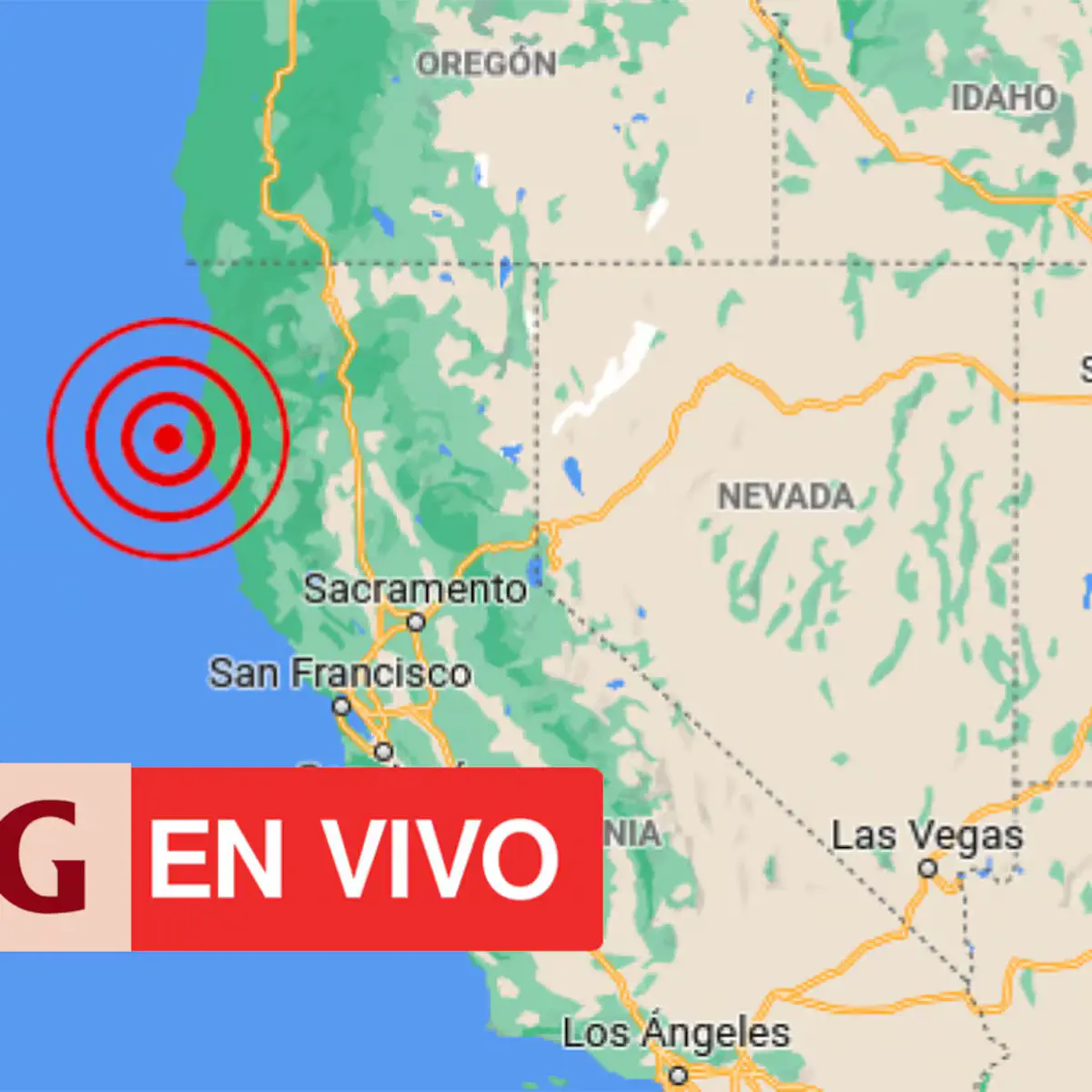
Recent earthquakes around the globe have highlighted the importance of prompt alerts. For instance, a magnitude 6.5 earthquake struck near the coast of California last month. Thanks to the United States Geological Survey (USGS) and its ShakeAlert system, thousands of residents received alerts seconds before the shaking began, allowing them to take cover. This system, which operates through a network of sensors detecting seismic waves, has been instrumental in enhancing public safety.
Across other countries, such as Japan and Mexico, similar systems are operational. Japan’s early warning technology has been in place since the 2007, and it has since saved countless lives. During a major earthquake in 2021, alerts were sent out about 10 seconds before the shaking reached major urban centers, providing residents with a critical window to prepare. Mexican officials have also reported a significant reduction in injuries due to their earthquake early warning system, boasting about 30 seconds of advance notice before larger tremors hit.
How Earthquake Alerts Work
Earthquake alert systems work by using a network of seismic sensors that detect the initial, less damaging waves (P-waves) generated by an earthquake. These sensors relay information to a central processing system, which assesses the magnitude and location of the earthquake in real time. The system then disseminates alerts to devices such as smartphones, radios, and even public alert sirens based on the proximity to the epicenter.
Conclusion
The increasing frequency of seismic activity around the world underscores the necessity of reliable earthquake alert systems. As technology continues to evolve, it is likely that these systems will expand in financial investment and coverage, potentially offering even earlier warnings and reaching more susceptible areas.
Overall, earthquake alerts serve not just as alarms but as life-saving tools that can significantly reduce panic and aggression during seismic events. Communities that utilize these alerts should continue to prepare and educate the public on how to respond effectively when they do occur, underlining the notion that awareness is a crucial component of safety.