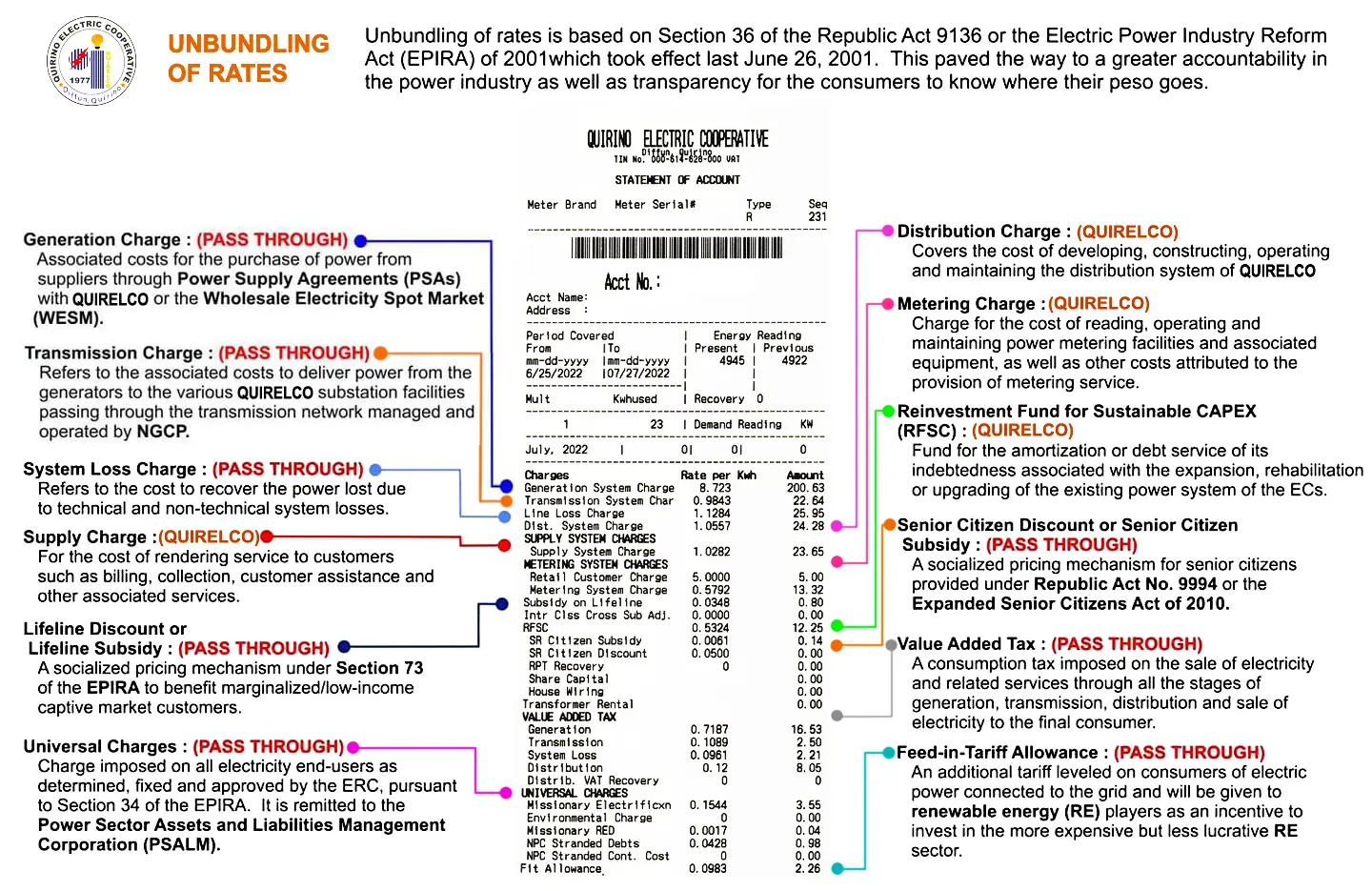
The Importance of Energy Rates
Energy rates play a critical role in determining the cost of electricity and gas for consumers and businesses alike. With the increasing focus on sustainability and renewable energy sources, understanding energy rates has become essential for making informed decisions regarding energy consumption and budgeting.
Current Trends in Energy Rates
As of 2023, energy rates are experiencing significant fluctuations due to various factors, including supply chain issues, governmental regulations, and shifts in consumer demand. According to the U.S. Energy Information Administration (EIA), the average electricity rate has seen an increase of approximately 5% over the last year. This increase is partly attributed to rising natural gas prices and greater reliance on renewables, which, while beneficial for the environment, can also lead to initial cost increases during the transition period.
Regional Variations
Energy rates vary widely across different regions of the United States. For instance, states with abundant renewable resources, such as California and Texas, may offer competitive rates for solar and wind energy. Conversely, regions reliant on fossil fuels may face higher costs, particularly during peak demand periods. Furthermore, recent legislation in many states aims to promote clean energy, resulting in new pricing structures and incentives for adopting renewable sources.
The Impact on Consumers
As energy rates rise, consumers are feeling the pinch. Many households are struggling to keep up with energy bills, especially as the winter months approach. The National Energy Assistance Directors Association reported a significant increase in requests for energy assistance, highlighting the growing concern among lower-income families. As a response, some states are implementing programs to help alleviate these financial burdens by offering subsidies and financial assistance.
Future Outlook
Looking ahead, energy rates will likely continue to be influenced by global market trends and domestic policies aimed at reducing carbon footprints. Analysts predict that while short-term spikes in energy costs are possible, long-term investments in renewable energy infrastructure could stabilize and potentially lower rates in the future. The transition to cleaner energy sources is expected to take time, but once established, could lead to more sustainable and affordable energy options for all consumers.
Conclusion
In summary, energy rates are a crucial factor in the economic landscape for both individuals and businesses. Staying informed about current trends and understanding how regional differences might affect costs can help consumers make more informed decisions. As we move towards a more sustainable energy future, the ongoing adjustments in energy rates will continue to shape the way we approach energy consumption.