Introduction
The Electric Reliability Council of Texas (ERCOT) plays a crucial role in the management of Texas’ electricity grid, which is unique in its isolation from the rest of the United States. Understanding ERCOT’s importance is essential as it not only coordinates the supply and demand of electricity but also impacts the state’s economy and its transition to cleaner energy sources.
ERCOT and the Texas Energy Landscape
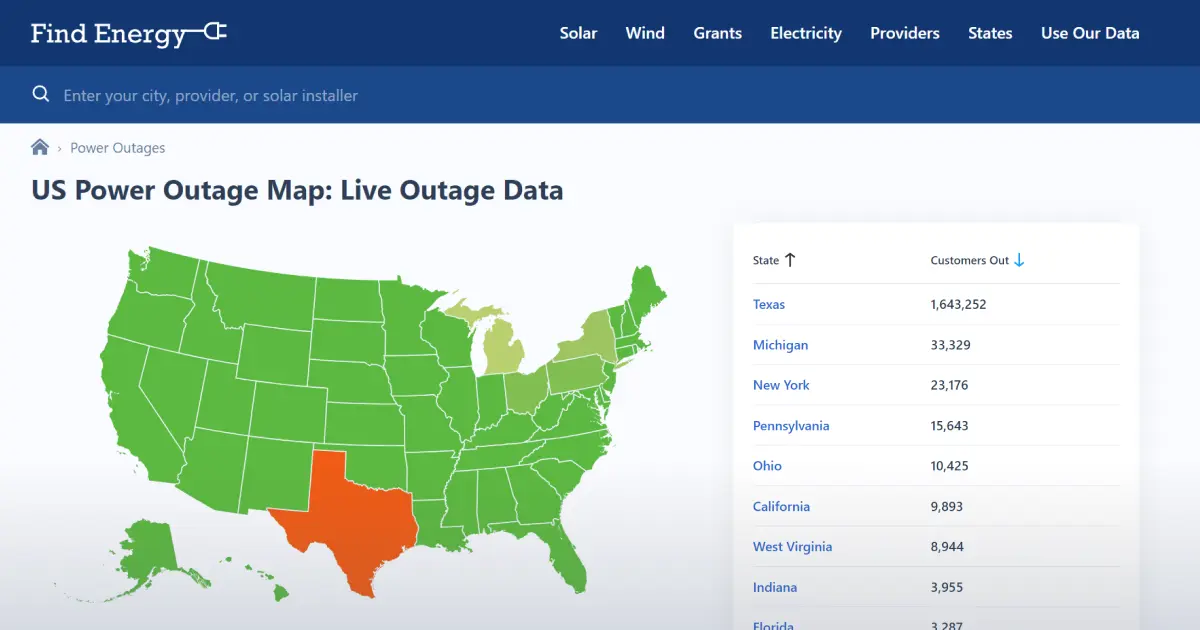
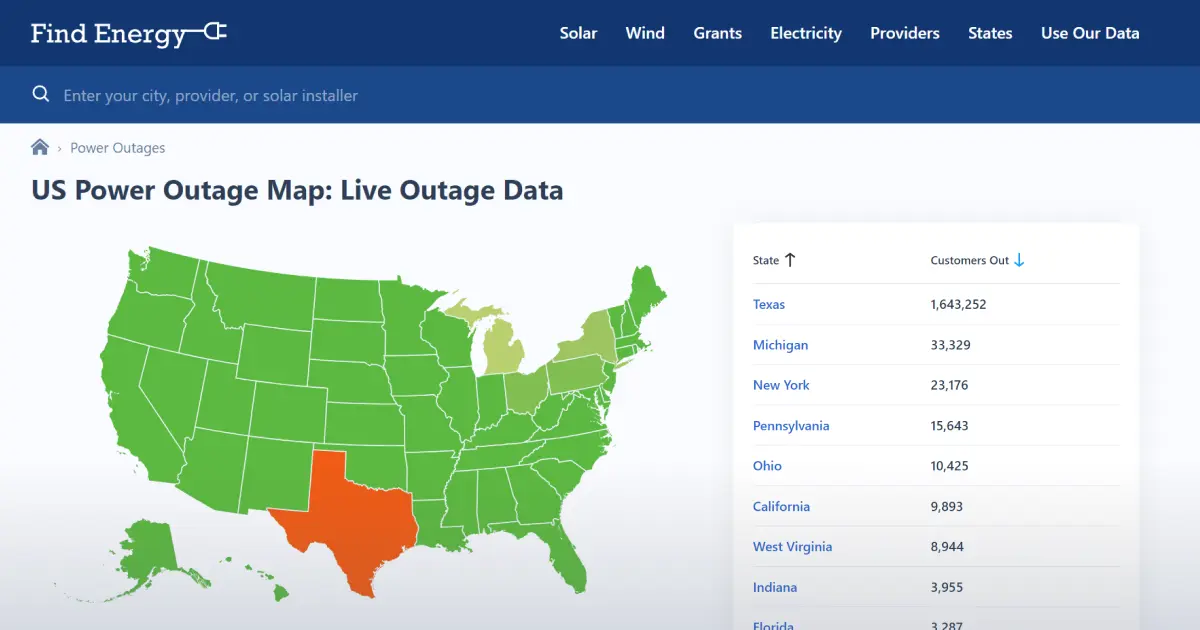
ERCOT was established in 1970 and oversees the flow of electric power to over 26 million Texas customers, representing about 90% of the state’s electricity load. Its responsibilities include maintaining grid reliability and facilitating competitive electricity markets. Recently, ERCOT has faced scrutiny for its role during extreme weather events, particularly during the February 2021 winter storm where millions were left without power.
Current Developments
In response to past challenges, ERCOT has implemented numerous improvements aimed at enhancing grid reliability. This includes a focus on increasing the reserve margin (the difference between electricity supply and demand), which has been a focal point in recent legislative sessions. According to ERCOT, the reserve margin for 2023 is estimated to be above the minimum threshold required for reliability.
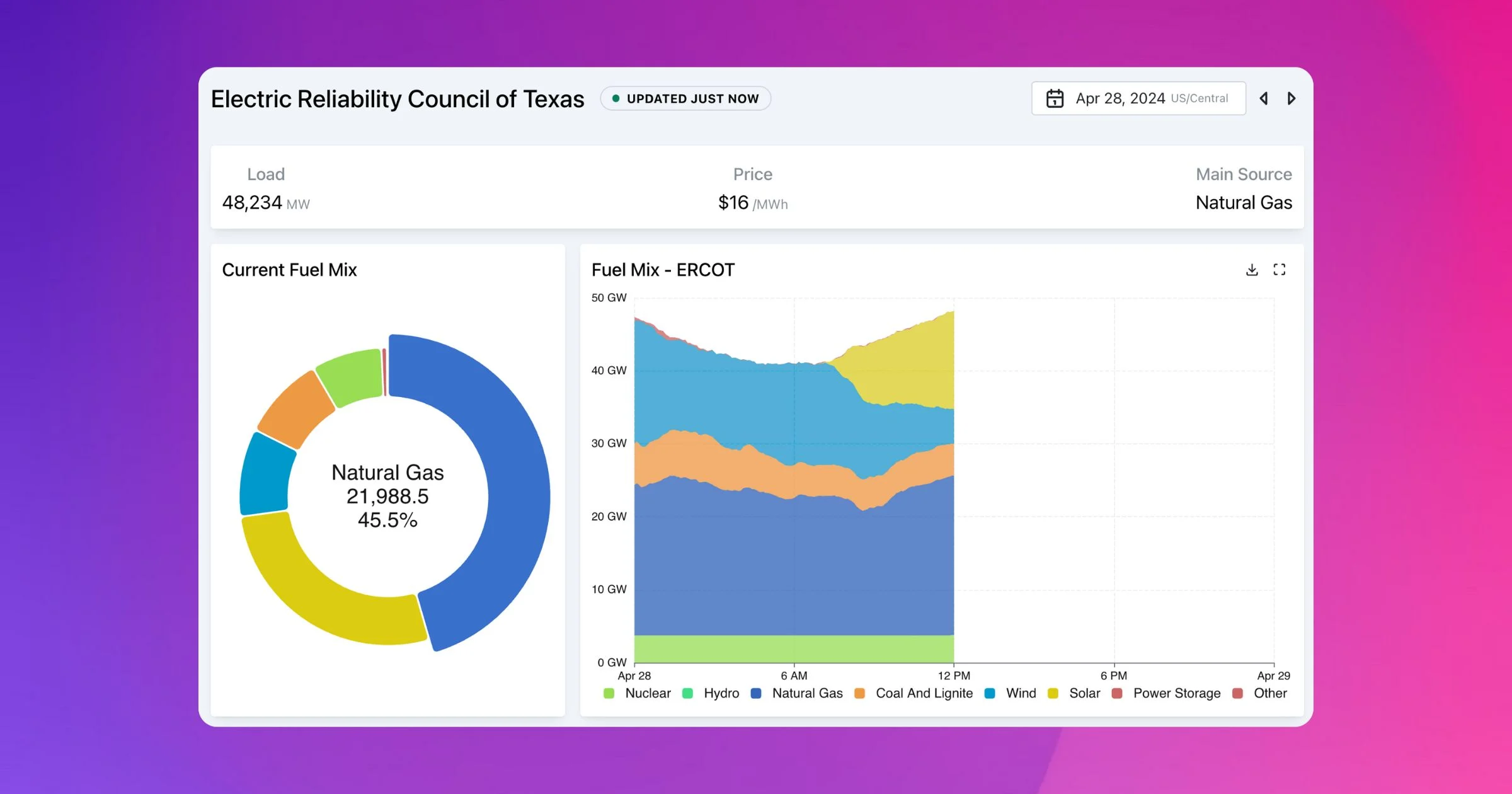
Furthermore, ERCOT is actively working on integrating more renewable energy sources. Texas leads the nation in wind energy production, and with the growing penetration of solar power, ERCOT is committed to adapting the grid to handle these fluctuating energy supplies.
Conclusion
The future of ERCOT is a subject of interest as climate change and extreme weather patterns continue to challenge traditional energy sources. As Texas moves towards a greener future, ERCOT’s role will evolve, necessitating strong regulatory oversight and infrastructure improvements. The importance of ERCOT cannot be understated—its stability and adaptability are vital for not just Texans, but for understanding the broader implications of energy management in a rapidly changing climate.