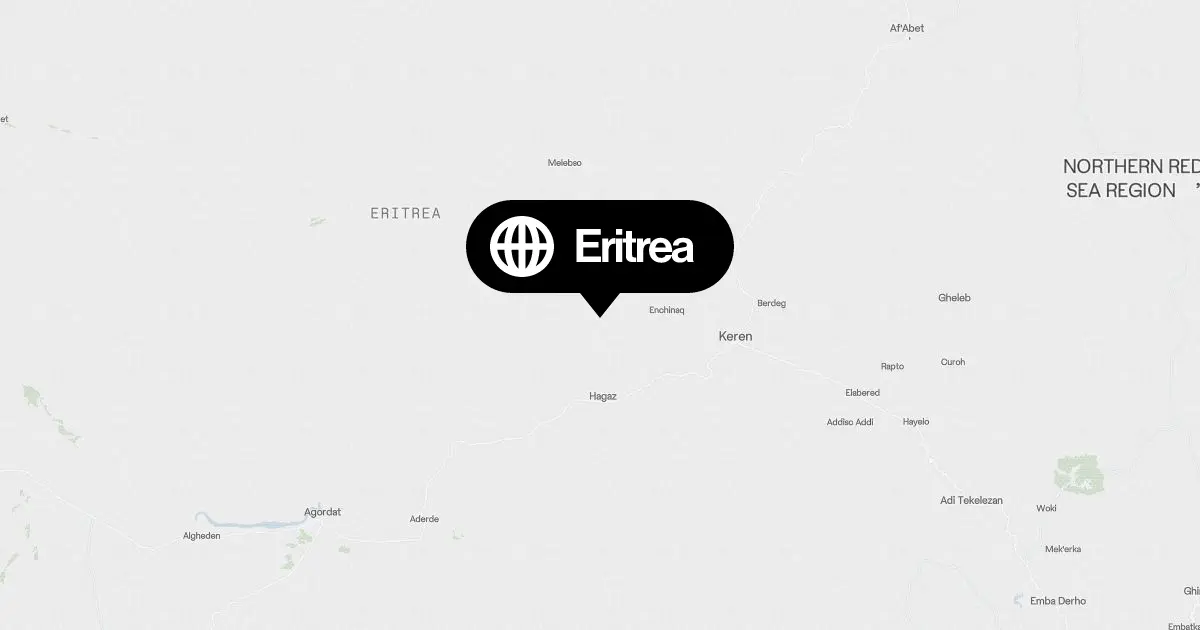
Introduction to Eritrea
Eritrea, a small nation located in the Horn of Africa, is known for its rich history and diverse culture. Gaining independence from Ethiopia in 1993, Eritrea’s journey has been marked by conflict and struggles. The relevance of Eritrea in current global discussions arises from its political climate, human rights issues, and strategic location along the Red Sea.
Historical Context
The struggle for independence has shaped Eritrea’s national identity. After 30 years of armed conflict with Ethiopia, Eritrea’s independence was declared in 1993. However, tensions with Ethiopia resurfaced, leading to a 1998-2000 border war. This unresolved conflict has had long-term impacts on regional stability and Eritrea’s development.
Current Political Climate
Today, Eritrea is a one-party state led by President Isaias Afwerki, who has been in power since independence. The lack of democratic processes has raised concerns among international observers regarding governance and human rights. Reports from organizations like Amnesty International highlight restrictions on freedom of expression and political dissent, leading to significant emigration among Eritreans seeking better conditions.
Economic Situation
The economy of Eritrea is primarily based on agriculture, with a significant portion of the population engaged in subsistence farming. In recent years, the country has sought to improve its economic conditions through mining and infrastructure projects, but sanctions and diplomatic isolation have hampered growth. The COVID-19 pandemic has further strained resources and healthcare systems.
Significance of Eritrea Today
Eritrea’s geographical location makes it strategically important in terms of maritime routes and regional security. Increased interest from global powers in the Red Sea region, particularly concerning trade and military presence, places Eritrea at a crucial junction. The ongoing humanitarian challenges, combined with its geopolitical significance, continue to make Eritrea a focal point in regional discussions.
Conclusion
The future of Eritrea remains uncertain, with ongoing challenges that include economic development, human rights, and diplomatic relations. As the international community pays closer attention to the Horn of Africa, particularly due to its geopolitical importance, understanding Eritrea’s journey and circumstances is key for scholars, policymakers, and those interested in the region’s stability.