Introduction to Extreme Cold Watches
As winter approaches, weather experts are preparing communities across the United States for the possibility of extreme cold weather events. Extreme cold watches are critical alerts issued by the National Weather Service (NWS) when conditions are forecasted that could lead to dangerously low temperatures, posing serious health risks to individuals and disruptions to local infrastructures.
Current Extreme Cold Watches
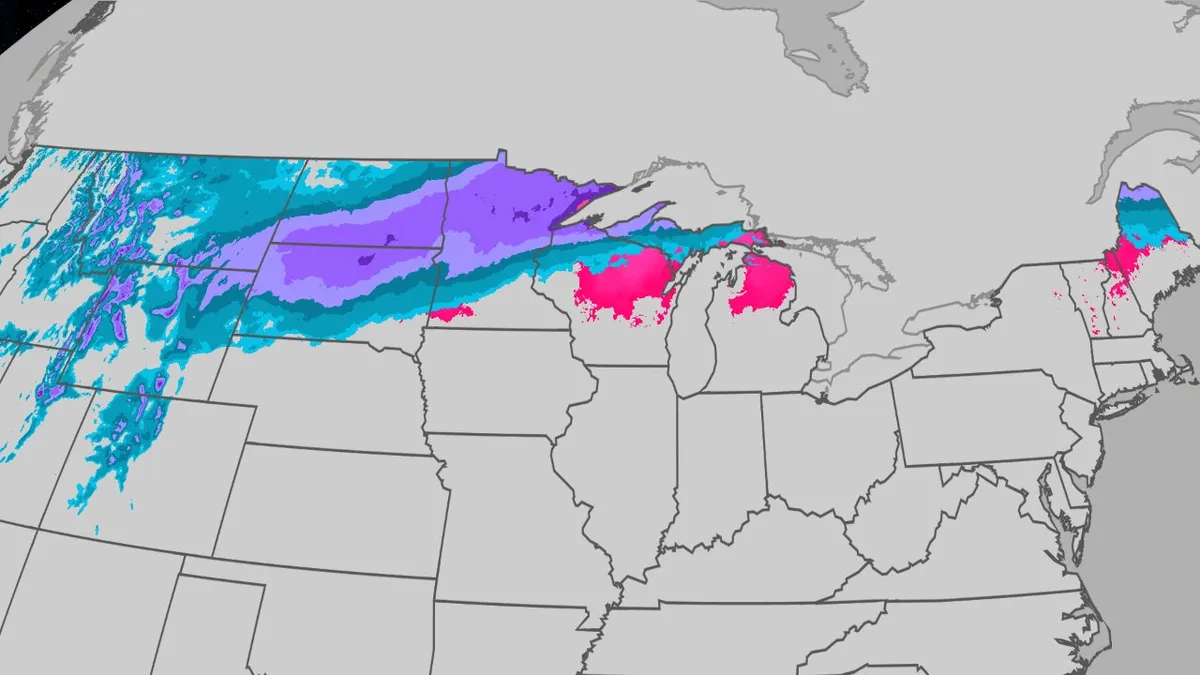
As of November 2023, several regions in the Midwest and Northeast are under extreme cold watch alerts, with temperatures expected to plummet significantly over the coming days. States including Minnesota, Wisconsin, and Michigan are bracing for wind chills that could reach as low as -30 degrees Fahrenheit. These conditions are not only uncomfortable but can lead to life-threatening situations, particularly for vulnerable populations.
Impacts on Communities
The implications of an extreme cold watch extend beyond personal discomfort. Local governments and emergency services are mobilizing to ensure public safety. Schools may delay openings or close entirely, transportation services are adapting schedules, and community centers are opening as warming shelters for those in need. For instance, in Minneapolis, officials have urged residents to stay indoors and check on neighbors, particularly the elderly and those with pre-existing health conditions.
Safety Tips for Extreme Cold Weather
Staying informed is crucial during these alerts. Here are some essential safety tips residents are advised to follow:
- Limit outdoor activities, especially during peak cold hours (early morning and late evening).
- Dress in layers to retain warmth and avoid hypothermia or frostbite.
- Prepare an emergency kit with blankets, food, water, and necessary medications.
- Ensure home heating systems are functional and seek assistance if struggling to stay warm.
Conclusion and Future Considerations
Extreme cold watches serve as essential warnings designed to protect lives and ensure readiness for severe weather conditions. As climate patterns continue to evolve, the frequency and severity of cold weather events may increase. Communities must remain vigilant and adaptable, planning ahead for future cold snaps and ensuring that long-term strategies—such as improved heating infrastructure and community preparedness initiatives—are in place. By following official alerts and safety recommendations, individuals can safeguard not only their well-being but that of others in their community.