Introduction
As climate change exacerbates drought conditions across the United States, the implementation of Fire Weather Watches has become increasingly vital. These alerts play a crucial role in wildfire prevention and public safety by informing communities about favorable conditions for wildland fire ignition and spread. As we enter the dry season, understanding Fire Weather Watches and their implications is more relevant than ever.
What is a Fire Weather Watch?
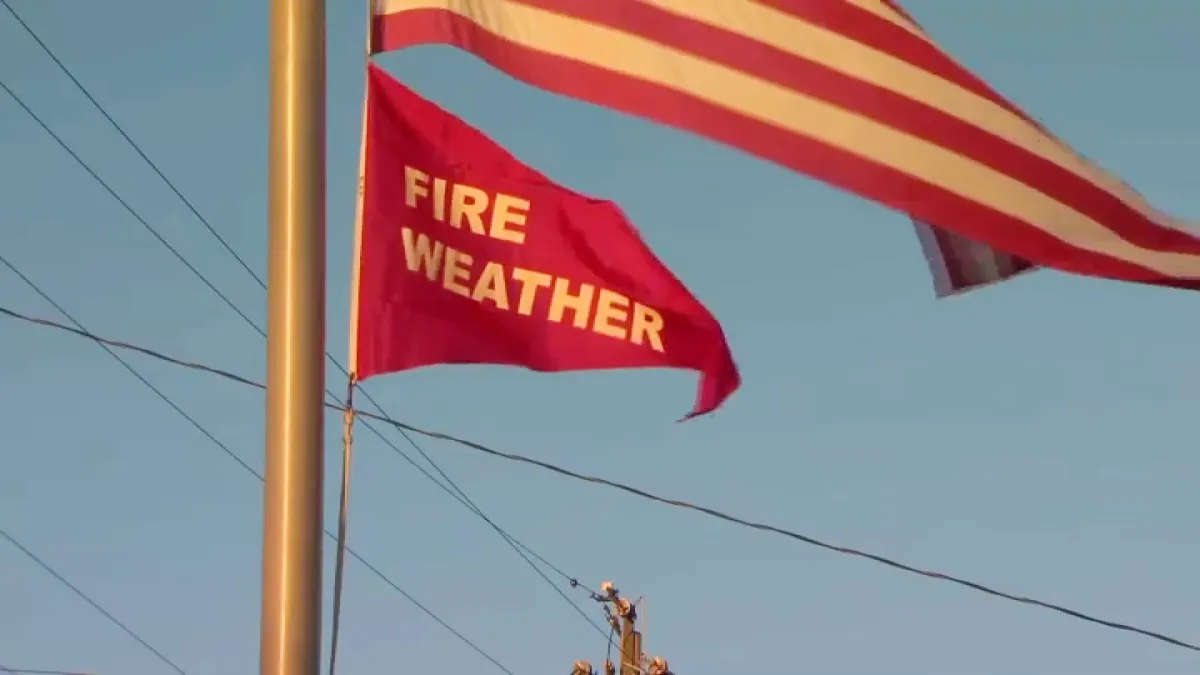
A Fire Weather Watch is an alert issued by the National Weather Service (NWS) when conditions are favorable for the development of wildfires. These conditions include low humidity, high temperatures, and strong winds, contributing to combustible environments. During a Fire Weather Watch, immediate action is encouraged among residents in affected areas to prepare for potential wildfire risks.
Recent Trends and Events
In the summer of 2023, several regions, particularly in the western United States, experienced a significant increase in Fire Weather Watches. The NWS reported over 30% more alerts compared to the previous year, driven largely by prolonged drought and high atmospheric temperatures, particularly in states like California, Arizona, and Colorado. In late July, a Fire Weather Watch prompted the evacuation of communities near the San Bernardino National Forest, underscoring the potential dangers of wildfires.
Understanding the Impact
The issuance of Fire Weather Watches is not only crucial for immediate public awareness but also aids local firefighting agencies in resource allocation. Based on these warnings, fire departments can pre-stage equipment, allocate personnel accordingly, and implement strategic community safety measures. According to a report from the National Interagency Fire Center, early notifications can significantly reduce fire response times and ultimately save lives and property.
Conclusion
Fire Weather Watches serve as essential tools in wildfire management and prevention. As climate-related extremes continue to challenge communities, staying informed about weather forecasts and warnings is imperative. Residents in fire-prone regions are urged to remain vigilant, heed warnings, and prepare for potential evacuations. As we look ahead, the frequency of Fire Weather Watches may rise, emphasizing the need for community readiness and proactive measures to safeguard lives and property from wildfires.