Introduction
As wildfire seasons become increasingly severe, understanding fire weather watches has never been more critical. These alerts are issued to advise the public and local authorities about conditions that could lead to wildfires. With recent devastating fire incidents across the U.S., being informed can help ensure safety and prevent disaster.
What is a Fire Weather Watch?
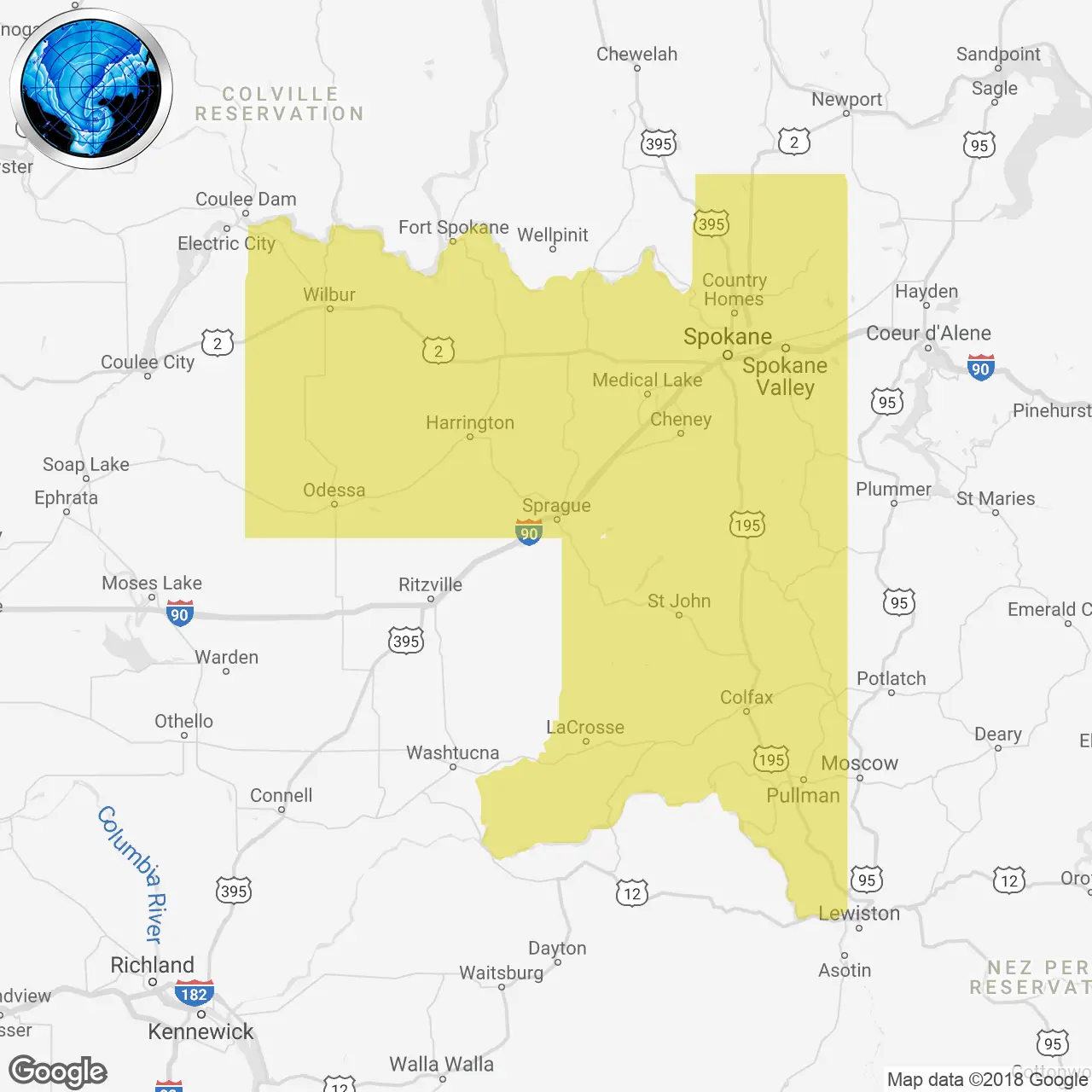
A fire weather watch is a notification from meteorological agencies indicating that conditions may be favorable for wildfires to ignite and spread. Such conditions include periods of low humidity, high winds, and dry vegetation. These watches are typically issued 12 to 72 hours in advance, allowing communities to prepare accordingly.
Recent Events
This past month, several regions in the West, including California and Nevada, have been under fire weather watches due to increased dryness and windy conditions. The National Weather Service has emphasized the importance of monitoring local forecasts, especially in rural and forested areas. In a recent incident in Northern California, firefighters reported a rapid spread of flames in an area where a fire weather watch had been issued.
Preventive Measures
In response to these alerts, residents are encouraged to take preventive measures. Clearing brush around homes, having evacuation plans, and staying informed through local news outlets can save lives and property. Many states have also initiated public awareness campaigns to educate residents on the importance of adhering to fire restrictions and safety guidelines during watch periods.
Conclusion
As wildfire occurrences rise, understanding fire weather watches becomes vital for community safety and preparedness. Staying alert and informed can significantly impact the ability to respond effectively to potential fire outbreaks. It is crucial for individuals living in susceptible areas to take these alerts seriously and act on the recommendations provided by local authorities. Looking ahead, more public education and preparedness measures will become essential in managing fire risks, especially as climate change continues to influence weather patterns.