Introduction
Fiserv Inc., a leading global provider of financial services technology, has become a focal point for investors and analysts in recent months. The relevance of Fiserv stocks lies not only in the company’s strong market position but also in the evolving financial landscape that continues to demand innovative solutions. As interest in digital payment solutions surges, understanding the performance and potential of Fiserv stocks is crucial for investors looking to navigate the complexities of the stock market.
Current Performance of Fiserv Stocks
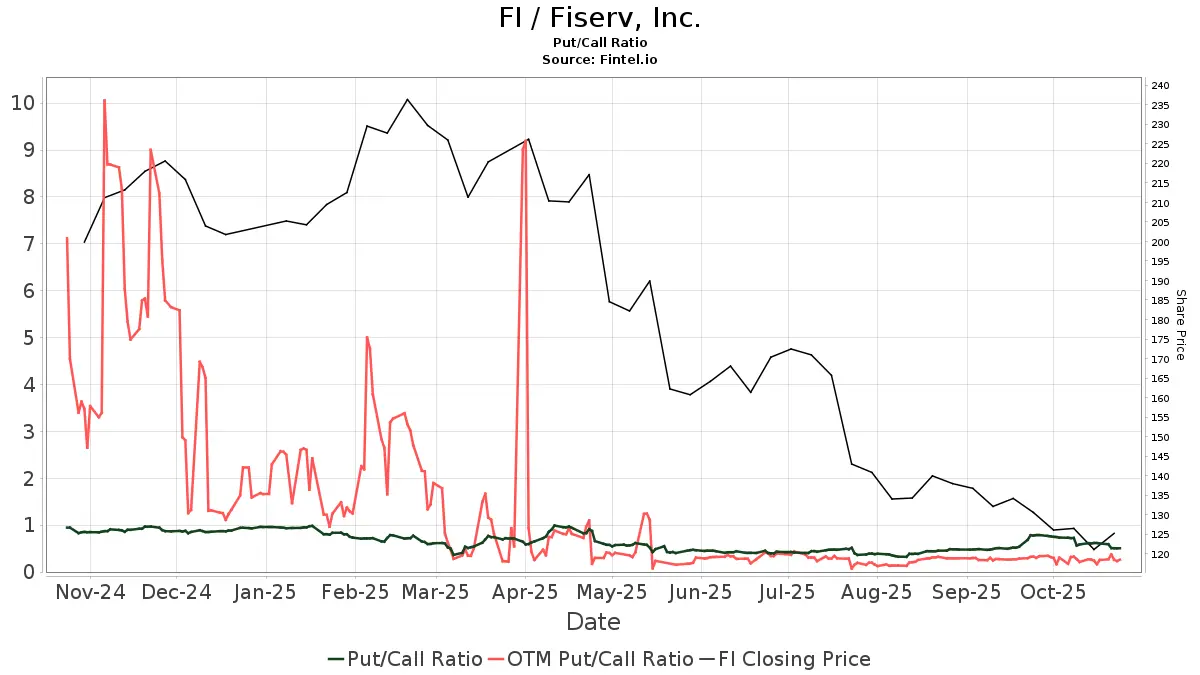
As of early October 2023, Fiserv stocks have shown considerable volatility, reflecting broader market trends often influenced by economic indicators, interest rates, and consumer behavior. The stock opened at around $101.50 and fluctuated in response to quarterly earnings reports that highlighted both growth in revenue and ongoing challenges related to operational costs.
In its most recent earnings call, Fiserv reported a revenue increase of 10% year-over-year, primarily driven by a surge in its payment solutions segment, which has been vigorously adopted by businesses of all scales. However, despite the positive revenue growth, the company warned of potential headwinds due to increased competition and regulatory pressures, which may affect future profitability.
Technological Advances and Market Position
Investors are particularly interested in Fiserv’s initiatives to innovate its product offerings, particularly in areas like mobile banking, point-of-sale systems, and security solutions. The company’s strategic acquisitions and partnerships aim to bolster its services and market share, which, if successful, could enhance the attractiveness of Fiserv stocks for long-term investment.
Furthermore, the rise of fintech companies poses both a challenge and an opportunity for Fiserv. Market analysts suggest that the incumbents like Fiserv need to adapt swiftly to the rising demand for integrated financial services driven by consumer preferences for convenience and security. The company’s commitment to technological penetration positions it favorably to capture new business.
Conclusion
Looking ahead, the outlook for Fiserv stocks remains a mixed bag. On one hand, the robust revenue growth and ongoing innovation bolster investor confidence. On the other hand, increasing competition and external economic factors raise concerns about sustainability in profit margins. Investors should continue to monitor the company’s performance closely, paying attention to upcoming product launches, partnerships, and market developments as these will play a critical role in shaping the future of Fiserv stocks.