Introduction to Flood Warnings
Flood warnings are critical alerts issued by national weather services to inform communities of imminent flood risks due to heavy rainfall, snowmelt, or other factors. With climate change contributing to increased rainfall and severe weather patterns, understanding flood warnings and how to act on them has become crucial for safety and preparedness.
The Importance of Flood Warnings
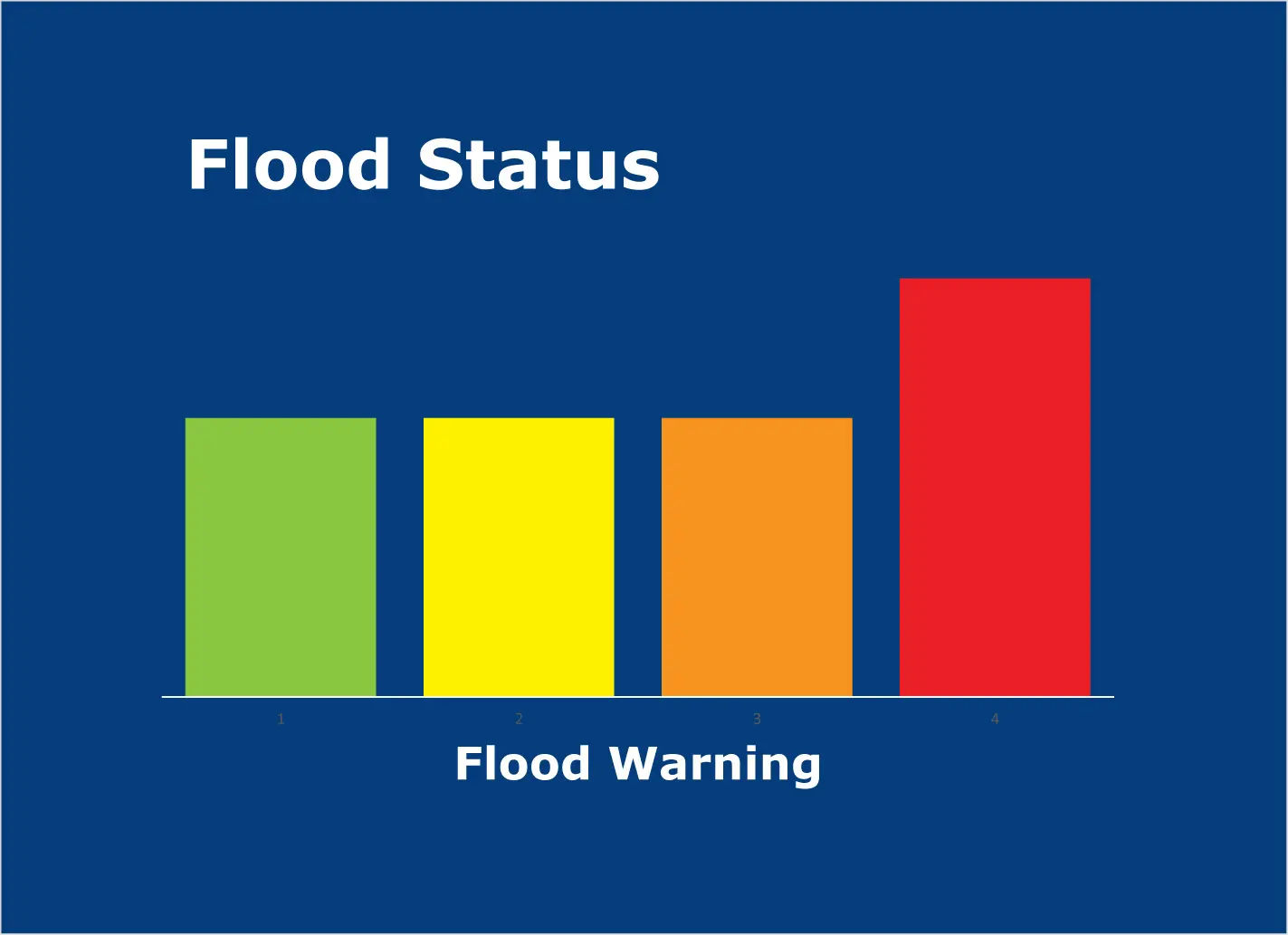
The National Oceanic and Atmospheric Administration (NOAA) and local meteorological agencies provide flood warnings and watches based on real-time weather data. Flood warnings are categorized into three types: Flood Watch, Flood Warning, and Flash Flood Warning. A Flood Watch indicates that flooding is possible, while a Flood Warning means that flooding is occurring or will be imminent. Flash Flood Warnings are issued in response to rapidly rising water levels that pose a serious risk to life and property.
Recent weather events have highlighted the importance of these warnings. In September 2023, several states in the Midwest experienced record rainfall, leading to substantial flooding in urban areas. The National Weather Service (NWS) issued multiple flood warnings, allowing residents to evacuate and take necessary precautions. Communities that acted quickly reported fewer injuries and damages than areas that delayed preparation.
How to Prepare for Flooding
Proper preparation can significantly reduce the impact of floods. Here are some guidelines:
- Stay Informed: Subscribe to local weather alerts and listen for updates. Many areas also utilize text or email alert systems.
- Create an Emergency Kit: Prepare a kit containing essential supplies such as water, non-perishable food, medications, a flashlight, and important documents.
- Develop an Evacuation Plan: Identify safe routes to higher ground and inform family members of where to meet if separated.
- Protect Your Property: Elevate electrical appliances and utilities if you live in a flood-prone area and consider flood insurance.
Conclusion: Staying Safe During Flood Events
As flooding becomes more prevalent due to environmental changes, understanding and responding to flood warnings is essential. Awareness of the types of warnings and effective preparation measures can save lives and minimize property damage. Communities need to stay alert, prioritize safety, and support each other during flooding events. By heeding warnings and preparing accordingly, individuals can significantly mitigate the risks associated with flooding.