The Importance of Recognizing Flu Symptoms
With the flu season underway, understanding flu symptoms is crucial for timely intervention and recovery. Influenza, commonly referred to as the flu, can lead to serious health complications, especially in vulnerable populations like children, the elderly, and those with existing health conditions. Early recognition and treatment can significantly reduce the risk of severe illness and promote quicker recovery.
Common Flu Symptoms
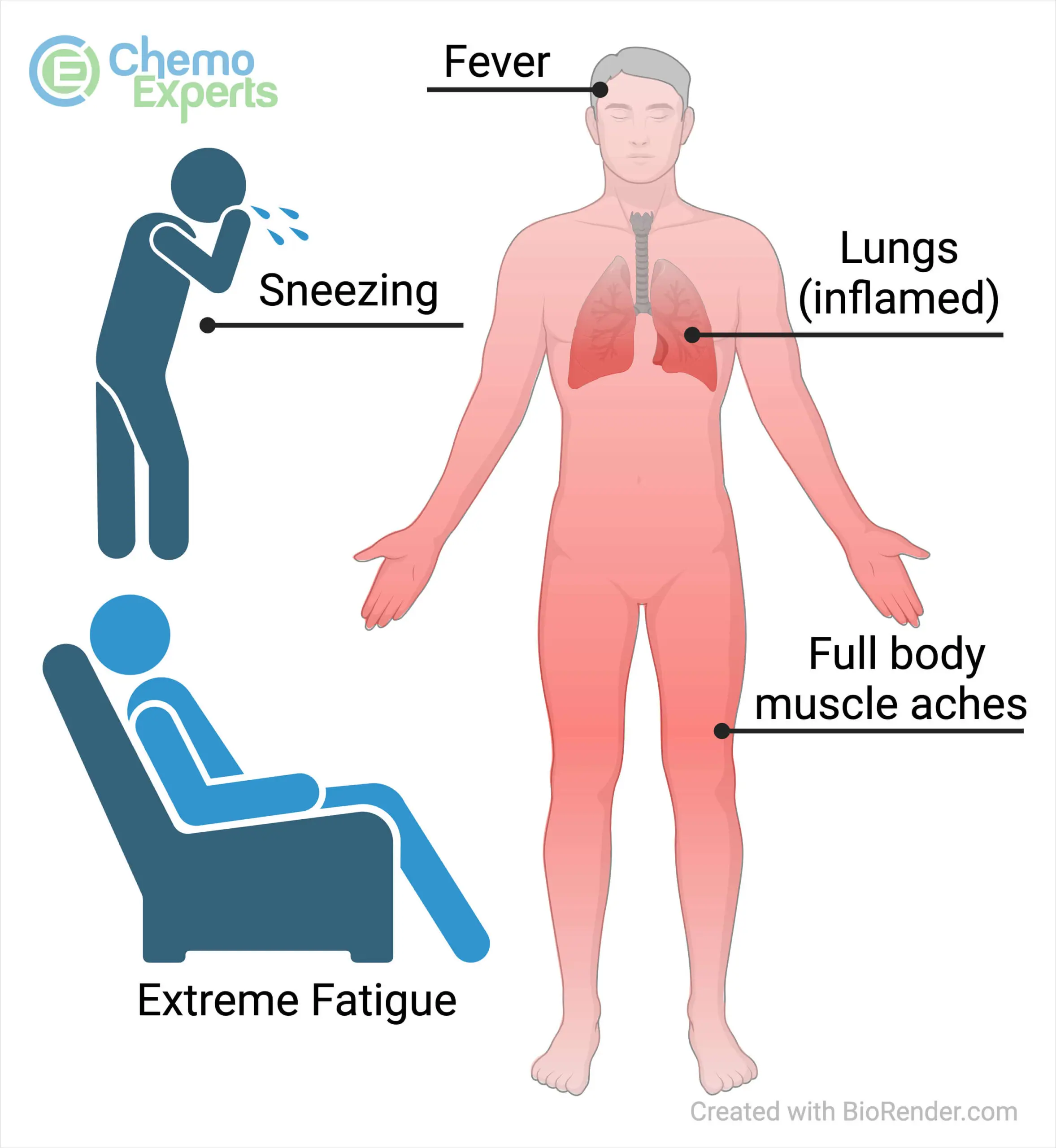
The flu typically manifests with a sudden onset of symptoms. According to the Centers for Disease Control and Prevention (CDC), common symptoms include:
- Fever: A high temperature often accompanies the flu, although not everyone with the flu will have a fever.
- Cough: A dry cough may develop that can persist for several weeks.
- Sore throat: Many individuals report a scratchy or painful throat.
- Body aches: Muscle and joint pain are common complaints that can cause discomfort.
- Fatigue: A profound sense of tiredness often affects those infected, making daily activities challenging.
- Headaches: Severe headaches can occur, further contributing to general malaise.
- Chills and Sweats: Many experience alternating feelings of chills and sweating.
Diagnosis and Treatment
If symptoms are present, it is advisable to seek medical attention, especially if individuals are at higher risk for complications. A healthcare provider may perform tests to confirm influenza infection. Treatment options generally include:
- Antiviral medications: Prescribed to reduce the duration and severity of symptoms if taken within the first 48 hours.
- Rest: Ensuring adequate sleep and rest to help the body recover.
- Hydration: Drinking fluids to stay hydrated is crucial, especially in fever cases.
- Over-the-counter medications: These can help alleviate symptoms like fever and body aches.
Conclusion
Understanding flu symptoms is essential for effective management and recovery. As flu season progresses, awareness of symptoms such as fever, cough, and fatigue can help individuals take prompt action. This flu season, consider getting vaccinated as a preventive measure, as vaccines greatly reduce the risk of contracting influenza and mitigate its potential impact on health. If you experience symptoms, consult a healthcare provider to discuss your treatment options. Staying informed and proactive can help you navigate through the season safely and healthily.