Introduction
Gary Cohn has been a prominent figure in American economics, serving as a key economic advisor during critical times. His experiences in both government and the private sector make him an important person to understand, especially as economic policies continue to shape the nation’s fiscal future. The analysis of Cohn’s career offers insight into the evolving landscape of U.S. economic policy and its implications for businesses and citizens alike.
Career Overview
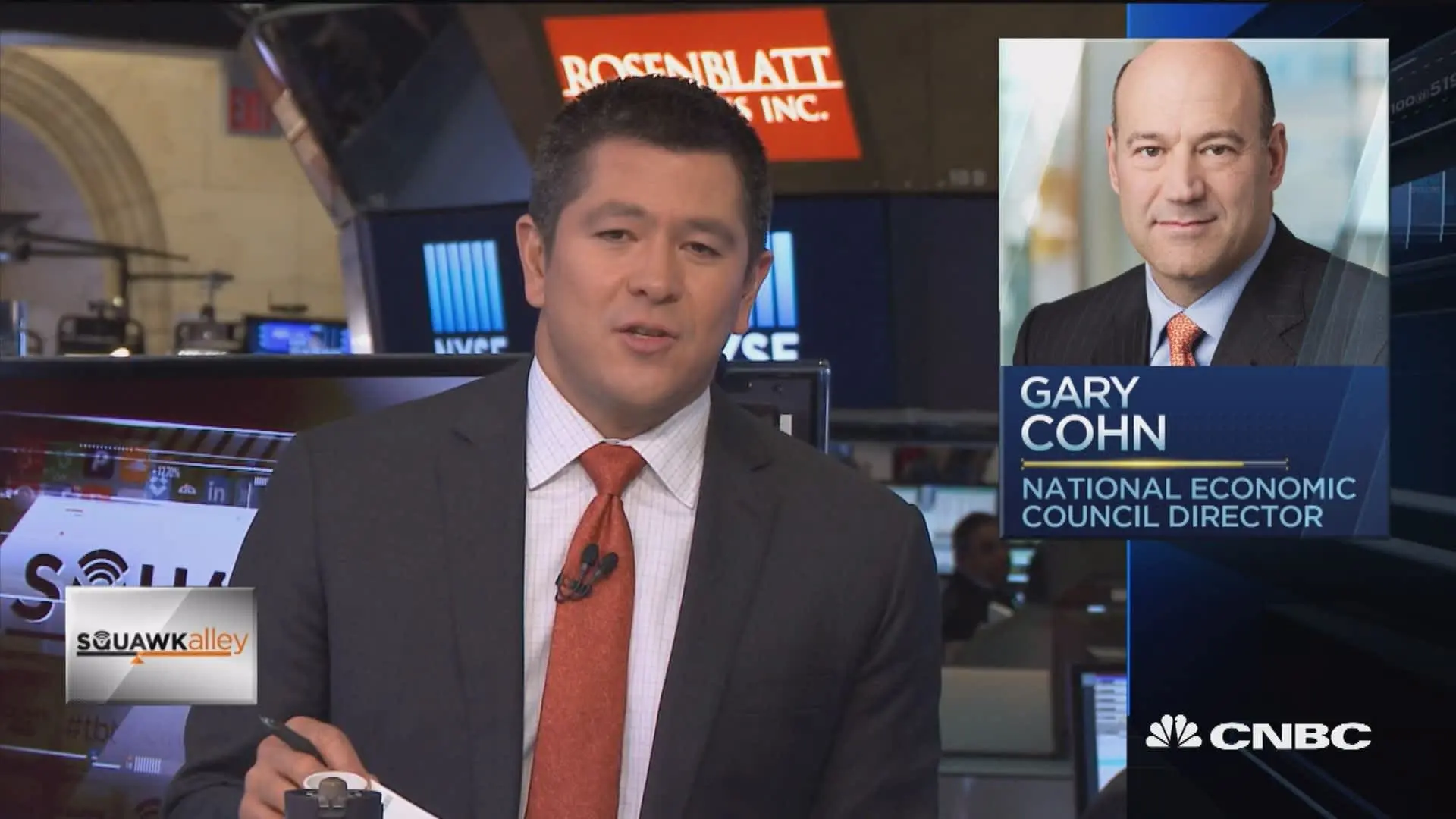
Cohn’s background in finance began at Goldman Sachs, where he worked for over two decades climbing the ranks to become president and COO. His tenure at Goldman Sachs positioned him as a key player in the financial world. In 2017, during the Trump administration, Cohn was appointed as the Director of the National Economic Council. In this role, he was instrumental in the formulation of major economic policies, including the Tax Cuts and Jobs Act of 2017, which aimed to stimulate the economy through tax reform.
Influence on Policy
As an advisor, Cohn emphasized deregulation, particularly in the financial sector, arguing that it would promote growth. His perspective often reflected his Wall Street experiences, focusing on business expansion and job creation. Cohn’s influence, however, was not without controversy; his advocacy for certain policies faced criticism from economists who argued that the benefits largely favored the wealthy, contributing to income inequality.
Recent Developments
In recent months, Cohn has continued to engage in economic discussions, providing commentary and analysis through various media platforms and conferences. His insights on inflation, the supply chain crisis, and post-pandemic economic recovery have highlighted his ongoing relevance in economic conversations. As the U.S. grapples with the repercussions of global economic shifts, Cohn’s perspectives will likely remain influential.
Conclusion
Gary Cohn’s multifaceted career reinforces the importance of the intersection between politics and economics. As the nation navigates ongoing economic challenges, his experiences and viewpoints can provide valuable lessons. Forecasts suggest that understanding the motivations and strategies of former economic advisors like Cohn could be crucial for both policymakers and business leaders looking to adapt and thrive in a complex economic environment. As we look to the future, Cohn’s role in shaping U.S. economic policy will continue to be a point of interest for analysts and citizens alike.