Introduction
In recent months, hood stock has gained significant attention in the financial markets, particularly among retail investors. This term often refers to stocks or investment opportunities that are popular within certain community segments, particularly among younger investors who frequent social media platforms. Understanding hood stock is crucial for navigating today’s investment landscape as it reflects changing dynamics in trading behaviors and societal interests.
Main Trends in Hood Stock
Hood stocks are characterized by their rapid rise and fall, influenced by trends, memes, and social media discussions. Recent examples include companies like GameStop and AMC Entertainment, which saw explosive growth driven by retail investor enthusiasm on platforms like Reddit and Twitter. According to a recent report from MarketWatch, these stocks represent not just financial opportunities but also a cultural phenomenon that has reshaped how the average investor engages with the stock market.
In addition to social media influence, hood stocks tend to reflect broader societal issues and trends. For example, the increase in electric vehicle stocks this year aligns with growing environmental awareness and the global transition towards renewable energy. Analysts speculate that hood stock trends often mirror changes in public sentiment, making them a valuable barometer for market conditions.
Recent Events and Facts
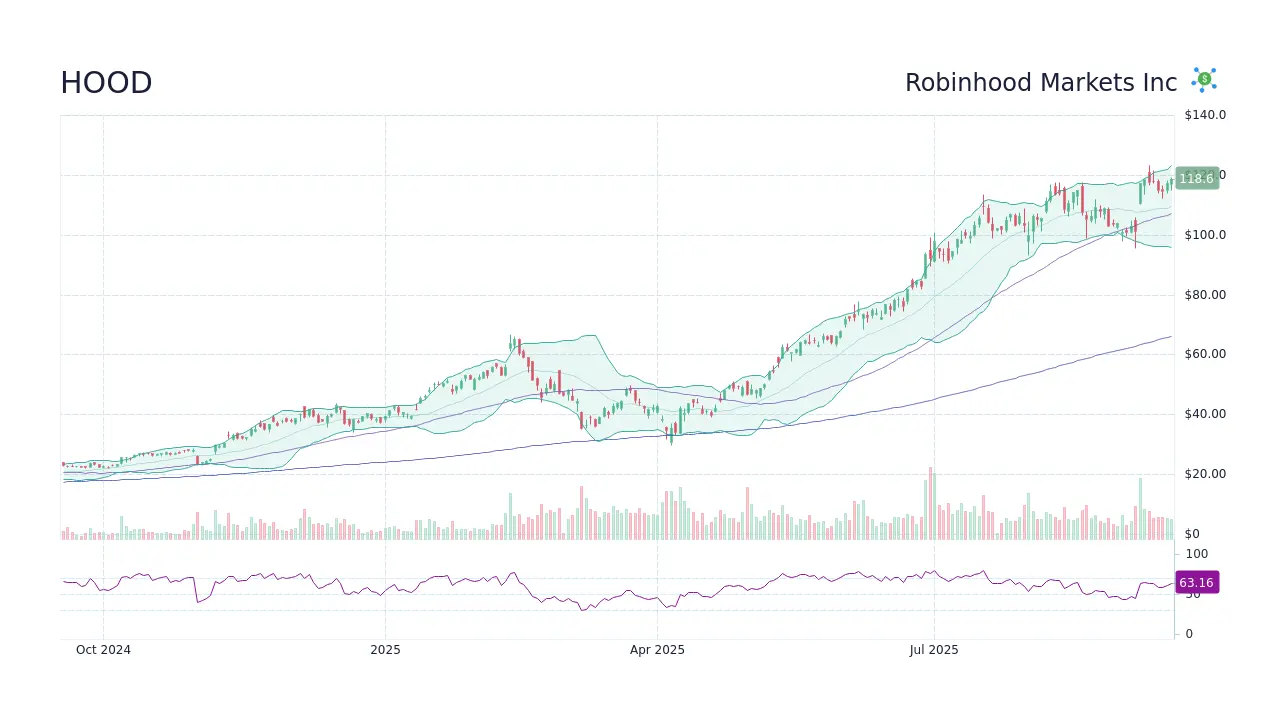
As of late 2023, several hood stocks have emerged, gaining notoriety for their volatility and potential returns. Platforms like Robinhood and Webull have made it easier for novice investors to enter the stock market, leading to increased interest in these high-volatility shares. This year alone, hood stock has seen a surge in trading volumes, particularly among younger demographics, with more than 60% of new retail investors reportedly engaging in hood stock transactions.
However, this landscape is not without risks. Experts warn about the dangers of investing in stocks driven solely by social media trends. A study conducted by the Financial Conduct Authority indicated that many inexperienced investors may face significant losses when relying on social signals rather than fundamental analysis.
Conclusion
The phenomenon of hood stock represents a blending of culture and finance, offering unique opportunities alongside notable risks. For investors, understanding the community-driven nature of these stocks is crucial for making informed decisions. As the investment landscape continues to evolve, those interested in hood stock should remain vigilant and educated about market trends and potential pitfalls. Looking forward, the continued intersection of technology and finance suggests that this trend will not only persist but may evolve further in the coming years.