Introduction
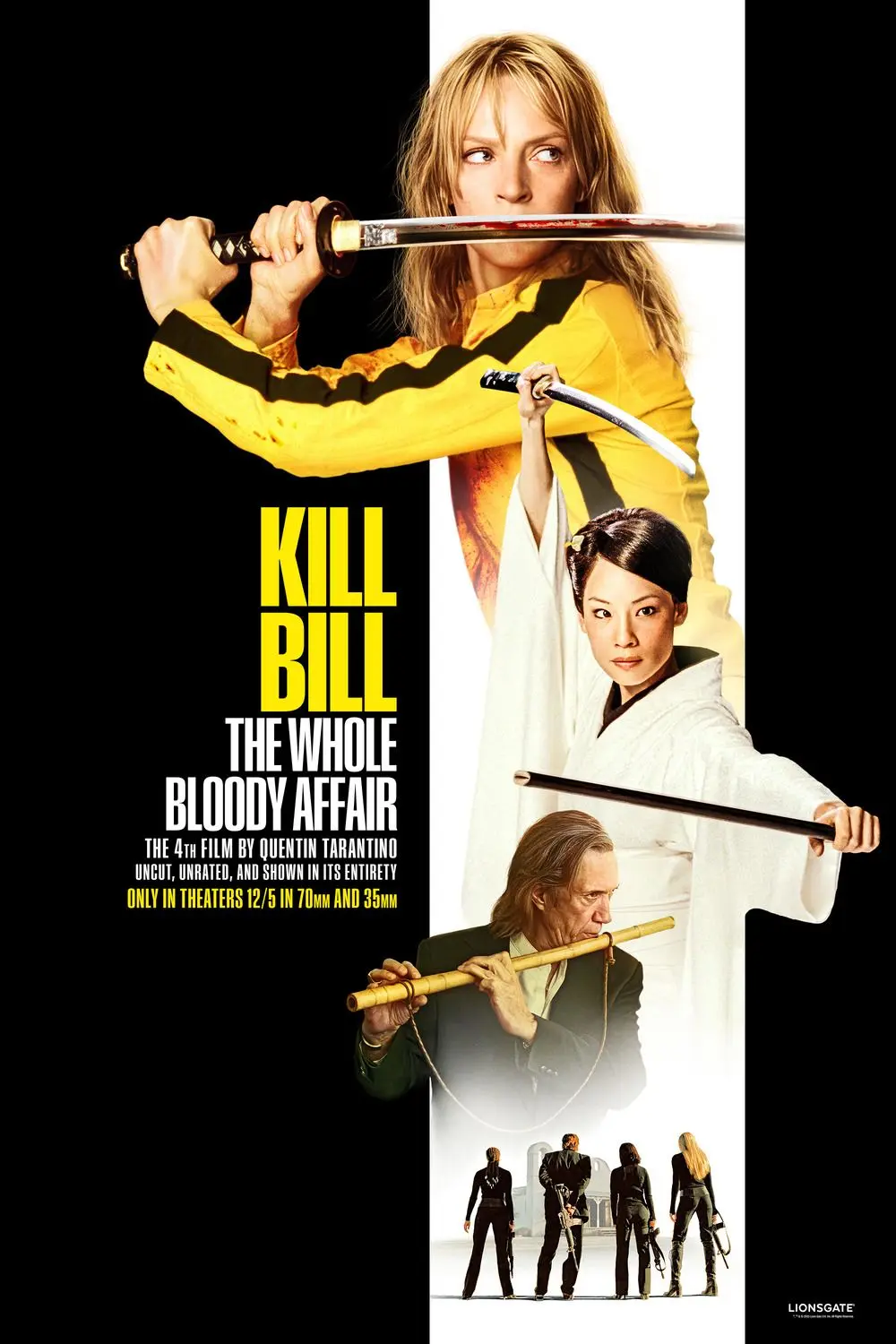
“Kill Bill: The Whole Bloody Affair” is a celebrated film that exemplifies Quentin Tarantino’s distinct storytelling style, blending elements of revenge, action, and drama within a visually stunning narrative. Originally released in two parts, the combined version – which debuted at the Cannes Film Festival in 2004 – has garnered attention for its unique structure and aesthetic. This film is significant not only for its narrative and stylistic choices but also for its impact on the action genre and film culture in the 21st century.
The Storyline
The film follows Beatrix Kiddo, also known as The Bride (played by Uma Thurman), who seeks vengeance against a group of assassins after they attempt to kill her and her unborn child. Driven by a singular focus on revenge, the storyline unfolds across various cultural landscapes and showcases Tarantino’s prowess for dialogue and character development. The film’s signature use of genre blending incorporates elements of martial arts film, spaghetti westerns, and anime, portraying the complexity of the protagonist’s journey.
Cinematic Style and Influence
Tarantino’s cinematic style in “Kill Bill” melds vibrant visuals with an eclectic soundtrack, drawing on multiple influences ranging from classic cinema to modern pop culture. It redefined the narrative possibilities of the revenge genre and impacted filmmakers globally, motivating a wave of films that embrace similar stylization and storytelling techniques. The film’s thematic focus on empowerment and vengeance resonated especially with audiences, making it a cultural touchstone in modern cinema.
Recent Developments and Significance
Recently, interest in “Kill Bill: The Whole Bloody Affair” has reignited, largely due to Tarantino’s continued prominence in the film industry and ongoing discussions surrounding potential sequels or spin-offs. As streaming platforms allow new audiences to discover the film, it remains relevant in contemporary discussions of women’s roles in action films and the portrayal of violence in cinema. The film’s legacy is evident, as it continues to influence not just filmmakers but also the expectations of action narratives in popular culture.
Conclusion
In summary, “Kill Bill: The Whole Bloody Affair” is a landmark film that combines a powerful narrative with impressive stylistic choices, making it a significant piece of art within the landscape of filmmaking. As it continues to inspire discussions and engage new generations of viewers, its status as a defining film of the early 21st century solidifies its place in cinematic history.