Introduction
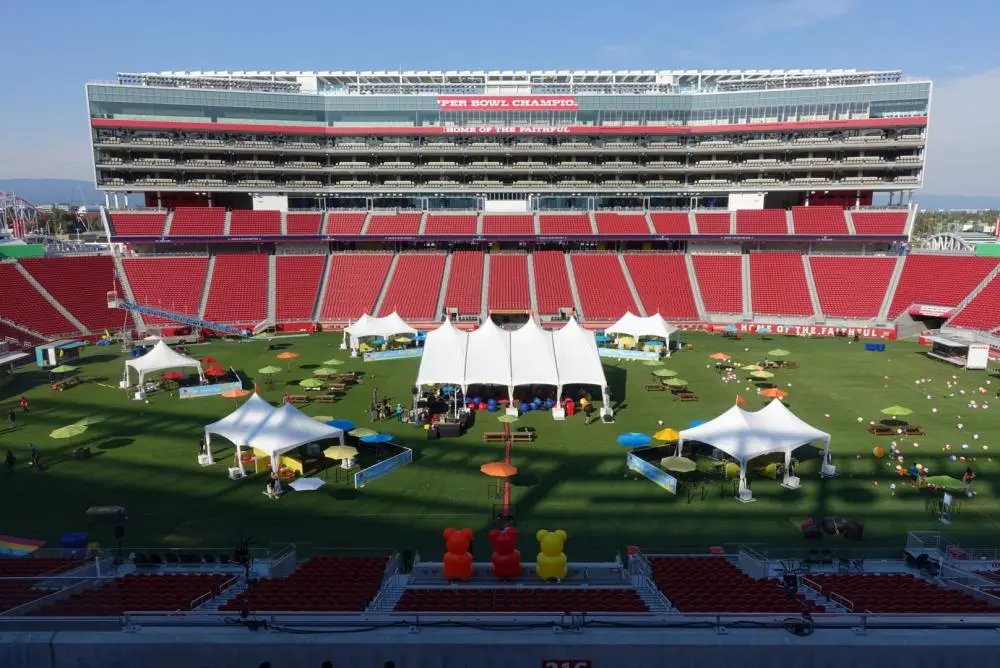
Levi Stadium, home to the San Francisco 49ers and a host of major events, has been a focal point for sports enthusiasts and event organizers since its opening in 2014. One key aspect that defines its ability to host events is its seating capacity, which is vital for both fan experience and economic impact. Understanding the capacity of Levi Stadium can provide insights into its role in the sports and entertainment landscape.
Current Capacity of Levi Stadium
Levi Stadium has a seating capacity of approximately 68,500 for football games, but this can be expanded to about 75,000 for special events such as concerts and Super Bowls, thanks to the stadium’s versatile design. The configuration allows it to accommodate larger crowds for significant occasions, maximizing revenue potential and engaging a broader audience.
Importance of Capacity for Events
The stadium’s capacity is critically important for structuring events. For instance, the Super Bowl 50 held at Levi Stadium in February 2016 drew notable attention not only for the game itself but also for the immense economic benefits it brought to the local community. The ability to draw such large crowds means increased revenue for local businesses, hospitality services, and the city through various taxes and spending.
Moreover, the stadium was designed with advanced amenities, ensuring that regardless of the size of the crowd, attendees enjoy high-quality experiences in terms of sightlines, accessibility, and comfort. This emphasis on user experience serves to maintain high attendance rates at both regular games and special events.
Recent Developments and Future Events
As of 2023, Levi Stadium continues to host a variety of events, with plans for upcoming concerts and cultural festivals that will test the limits of its capacity once again. The stadium is also preparing to embrace technological advancements including smart features that enhance the fan experience while managing large crowds efficiently. These developments underline the importance of its capacity in accommodating future events and adapting to changing audience expectations.
Conclusion
The capacity of Levi Stadium not only defines its physical space but also its role as a cornerstone of community activity and economic drivers in the region. As the stadium continues to evolve, its ability to host large-scale events effectively will remain a critical factor in its success. For fans and local residents alike, understanding this capacity provides insight into the significance of Levi Stadium within the broader context of sports and entertainment in the Bay Area.