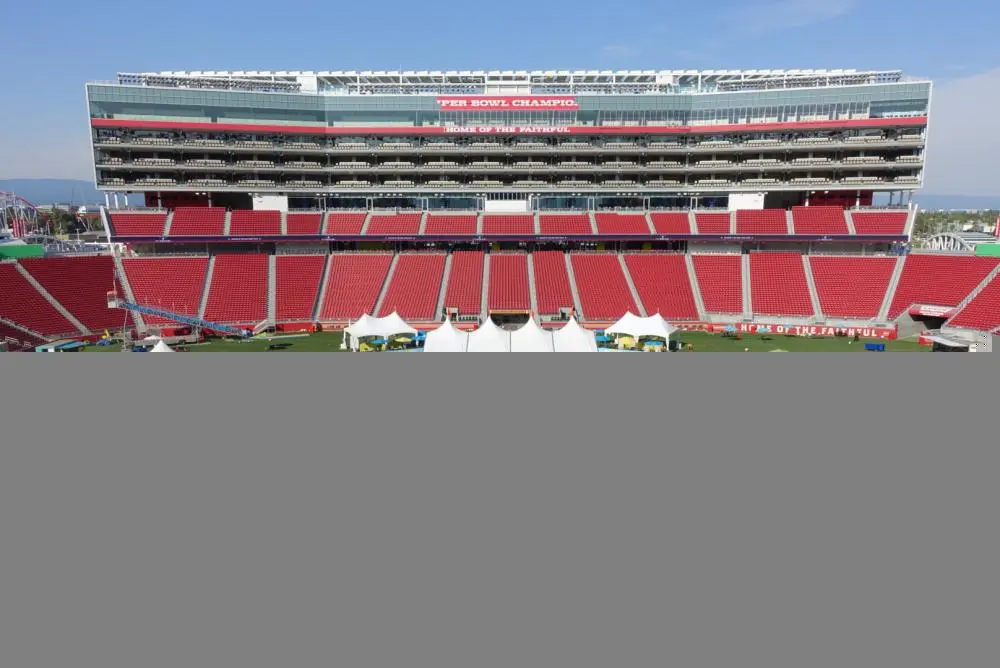
Introduction to Levi Stadium
Levi Stadium, located in Santa Clara, California, is home to the San Francisco 49ers of the National Football League (NFL). Opened in 2014, it has since become a pivotal venue for sports and entertainment events. Understanding its capacity is crucial, not just for fans looking to attend a game or concert, but also for event organizers and the local economy, as it influences ticket sales, logistics, and overall experience.
Current Capacity of Levi Stadium
Levi Stadium boasts a seating capacity of approximately 68,500 for NFL games, which can be expanded to accommodate around 75,000 attendees for major events, such as the Super Bowl or large concerts. This flexibility allows the stadium to host a variety of events beyond football, including college sports, international soccer matches, and concerts from top artists. Notably, Super Bowl 50 took place at Levi Stadium in 2016, showcasing its capability to handle significant crowds.
Why Capacity Matters
The capacity of a stadium has critical implications for local businesses and the overall community. A higher capacity allows for more attendees, leading to increased revenue from concessions, merchandise sales, and hospitality services in the surrounding area. Furthermore, larger events create job opportunities and can stimulate long-term economic growth in Silicon Valley.
Recent Developments
In recent months, Levi Stadium has been at the forefront of discussions regarding large-scale events. With the gradual easing of pandemic restrictions, stadium officials are preparing for full capacity crowds, which provides a much-needed boost for various stakeholders. The ability to accommodate larger audiences aligns with a growing demand for in-person experiences, following an extended period of virtual events.
Conclusion
The capacity of Levi Stadium remains a crucial aspect of its operations, impacting not just the sports culture of the region, but also its economic landscape. As larger events are set to return, the stadium’s role as a key player in sports and entertainment will continue to be significant. Fans and event organizers alike should be aware of the importance of capacity, which is likely to remain a central factor in planning and executing memorable happenings at this state-of-the-art venue.