Introduction to Lite Stock
The agricultural landscape is rapidly evolving with the emergence of sustainable practices aimed at reducing the environmental impact of farming. One such innovative approach is the concept of lite stock, which emphasizes the use of lighter-weight animals that require fewer resources compared to traditional livestock. This trend is gaining attention as farmers strive to balance efficiency, animal welfare, and environmental sustainability.
The Rise of Lite Stock
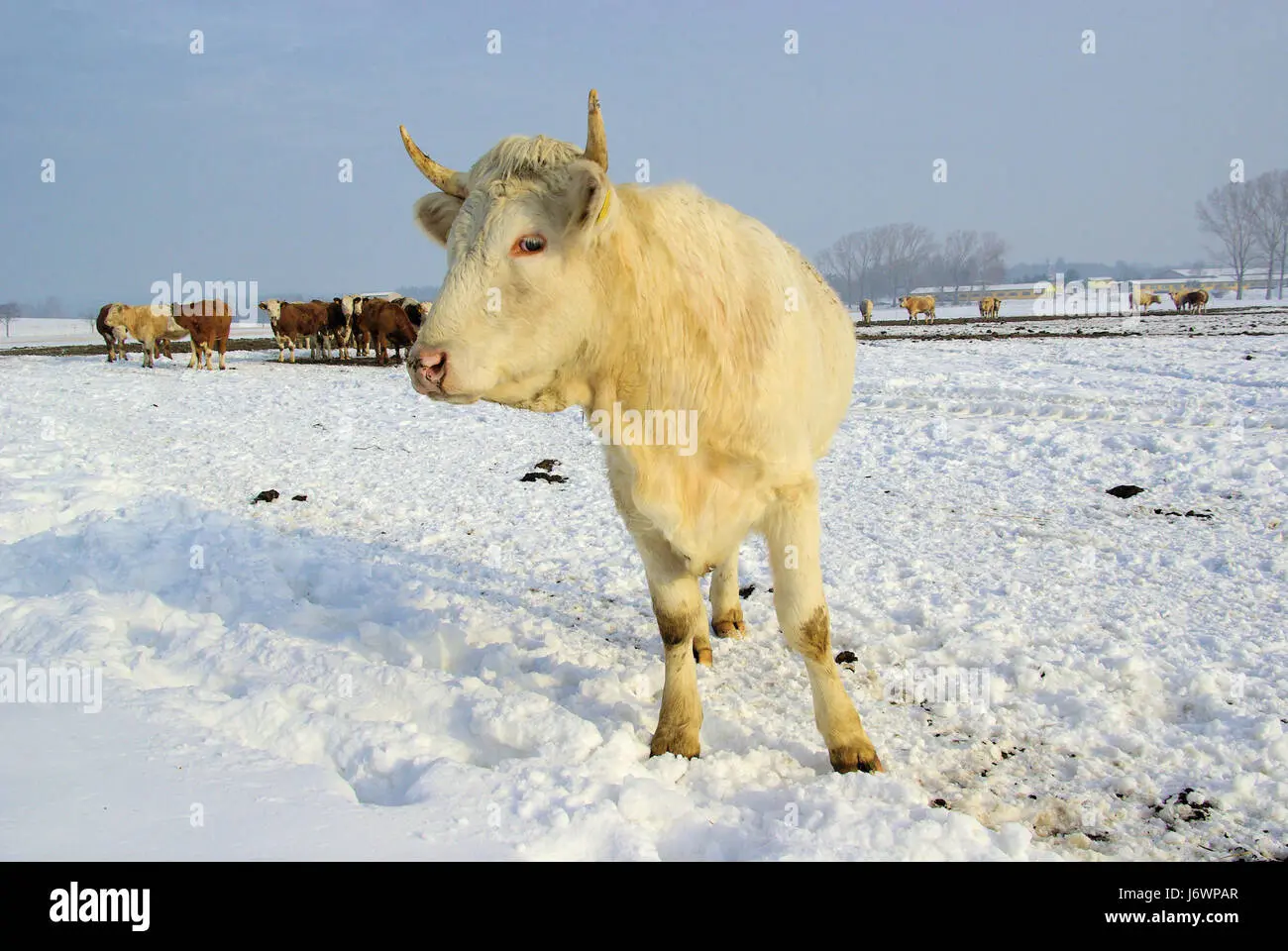
Lite stock refers to the breeding and use of smaller, more efficient animal breeds that have lower feed and space requirements, thus reducing the greenhouse gas emissions associated with conventional livestock farming. Research from agricultural institutions has shown that lite stock can lead to a significant decrease in resource consumption. For instance, beef cattle breeds that are lighter in weight require less land and lower energy-intensive feed options, contributing to a decreased carbon footprint.
In recent years, initiatives promoting lite stock have been launched across various regions. Notably, some farmers in the United States and Europe are adopting practices that involve cross-breeding traditional livestock with smaller, more sustainable breeds. As a result, the industry is witnessing an increase in animal breeds such as mini cattle, pygmy goats, and smaller sheep varieties, which are more aligned with sustainable farming practices.
Benefits of Lite Stock
The benefits of lite stock extend beyond just environmental sustainability. By adopting these lighter breeds, farmers can achieve greater economic efficiency. Smaller animals are often easier to manage and typically require lower startup and maintenance costs. Additionally, as consumer demand shifts towards ethically produced meat and dairy products, farmers utilizing lite stock may find a competitive edge in marketing their products as sustainable and environmentally friendly.
Challenges Ahead
Despite the clear advantages, the lite stock movement faces significant challenges. Regulations surrounding livestock breeding and standards of care are still primarily structured around conventional practices. Furthermore, there may be resistance from traditional farmers who are accustomed to larger breeds and established methods. As the market for sustainable agriculture continues to grow, addressing these hurdles will be critical in promoting the acceptance and integration of lite stock into mainstream farming.
Conclusion: The Future of Lite Stock
The importance of lite stock in the future of agriculture cannot be overstated. With global populations growing and resources becoming increasingly scarce, the need for innovative solutions in farming practices is pressing. As research continues and consumer awareness increases, lite stock has the potential to revolutionize the industry by offering a pathway to more sustainable and ethical farming. The shift towards this approach may not only help mitigate environmental impacts but also improve food security in an increasingly challenged world.