Introduction
Mahashivratri, recognized as one of the most significant festivals in Hinduism, is dedicated to Lord Shiva, the destroyer in the holy trinity (Trimurti) of Brahma, Vishnu, and Shiva. In 2026, this auspicious occasion will be observed on March 11. The festival holds immense importance as it symbolizes the convergence of spirituality and the auspicious power of meditation.
The Significance of Mahashivratri
Mahashivratri, which translates to “the Great Night of Shiva,” is believed to be the night when Lord Shiva performed his Tandava, the cosmic dance of creation, preservation, and destruction. It is also thought to be the night when Shiva and Shakti (the divine feminine) united. Observing Mahashivratri is an opportunity for devotees to transcend their earthly limitations and seek spiritual enlightenment.
Celebrations and Traditions
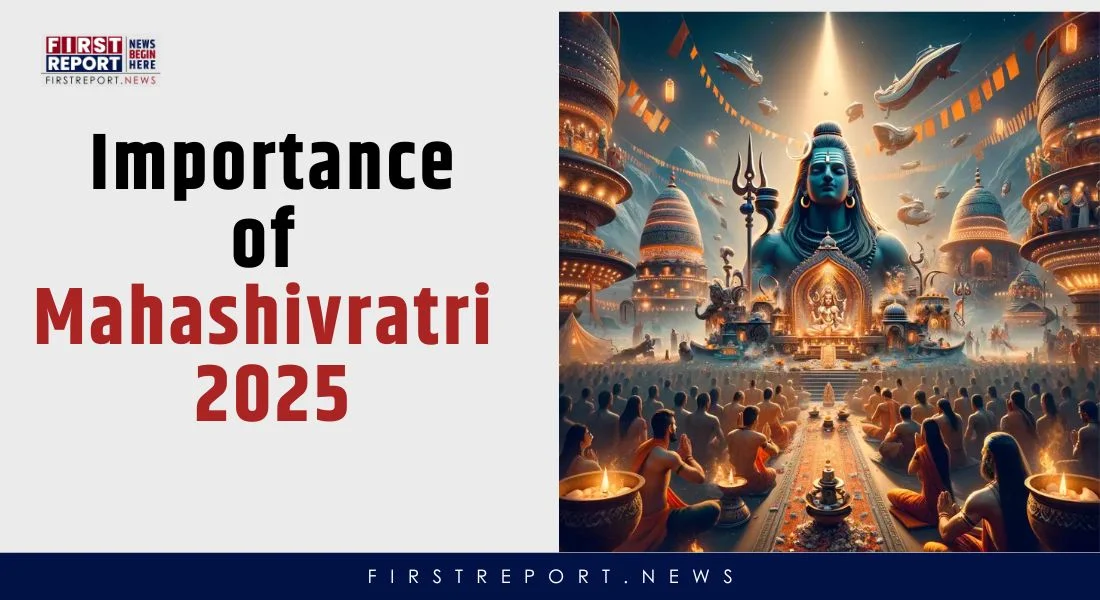
During Mahashivratri, devotees engage in various rituals and practices. The festival typically involves fasting, chanting mantras, and offering prayers to Shiva Lingam, a representation of Lord Shiva. Temples across the country, and indeed the world, often attract large crowds, where people gather to chant hymns and sing praises of Shiva.
In 2026, many temples are expected to organize special events, including elaborate rituals, kirtans (devotional singing), and community gatherings. Some devotees also participate in a night vigil, known as “Jagran,” where they remain awake throughout the night, meditating and reciting prayers. This year, increased community involvement may be prompted by the return to normality post-pandemic, allowing more people to participate in the celebrations compared to previous years.
Conclusion
As Mahashivratri approaches in 2026, the significance of the festival continues to resonate deeply with millions of devotees around the globe. It serves as a reminder of the importance of prayer, devotion, and self-realization. The anticipated celebrations are expected to be vibrant, with a renewed zest for spiritual practice, potentially drawing larger crowds. For those who observe Mahashivratri, it is a time to reflect on personal growth and the divine energy that Lord Shiva embodies in their lives. The upcoming festival signifies not just the power of faith but also the potential for community bonding and collective spirituality.