Introduction
Measles is a highly contagious viral infection that has seen a resurgence in recent years, making awareness of its symptoms critical for public health. With recent outbreaks reported in various regions, understanding the early indicators of measles can help individuals seek timely medical care and prevent further spread of the disease.
Common Symptoms of Measles
Measles symptoms typically appear 10 to 14 days after exposure to the virus. The initial symptoms usually include:
- High Fever: This can start mild but often rises to over 104°F.
- Cough: A dry, persistent cough is one of the most common early signs.
- Runny Nose: Nasal congestion and discharge are prevalent during the early stages.
- Red Eyes: Photophobia and redness in the eyes, known as conjunctivitis, can occur.
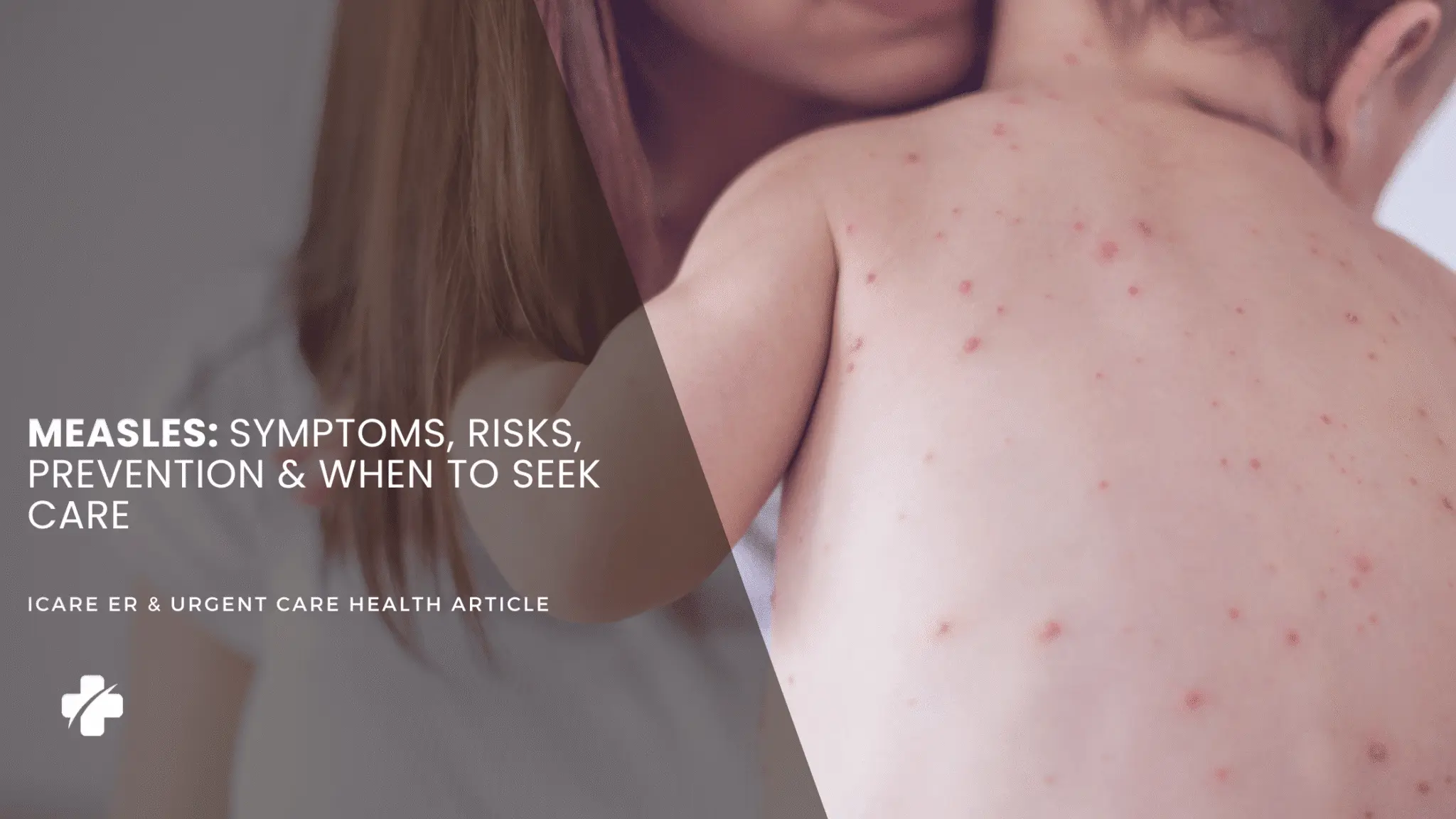
After 2 to 3 days, a rash typically develops, beginning at the hairline and spreading downward. The rash often lasts 5 to 6 days before fading. It’s worth noting that people infected with measles can transmit the virus to others from 4 days before the rash appears to 4 days after it has developed.
Recent Outbreaks and Implications
According to the Centers for Disease Control and Prevention (CDC), there have been a surge in reported measles cases across various states in the United States. Public health officials emphasize the importance of vaccination, as the MMR vaccine (measles, mumps, and rubella) is highly effective in preventing the disease. The CDC reported that states with lower vaccination rates are seeing higher incidences of measles.
Conclusion
Awareness of measles symptoms is essential for controlling outbreaks and protecting public health. Immediate medical attention for the symptoms listed above can mitigate complications associated with the disease, such as pneumonia and encephalitis. Parents and guardians should be proactive in ensuring that their children receive the MMR vaccine. As measles remains a significant public health threat, understanding its symptoms and promoting vaccination are vital for community health. By taking these steps, individuals can play a crucial role in reducing the spread of measles and protecting vulnerable populations.