Introduction
The Nipah virus has emerged as a significant public health concern in India, particularly in 2026, with new reports of infections raising alarms among health authorities. Understanding this zoonotic virus is crucial for recognizing its potential health impacts and the measures needed to prevent outbreaks.
Current Situation
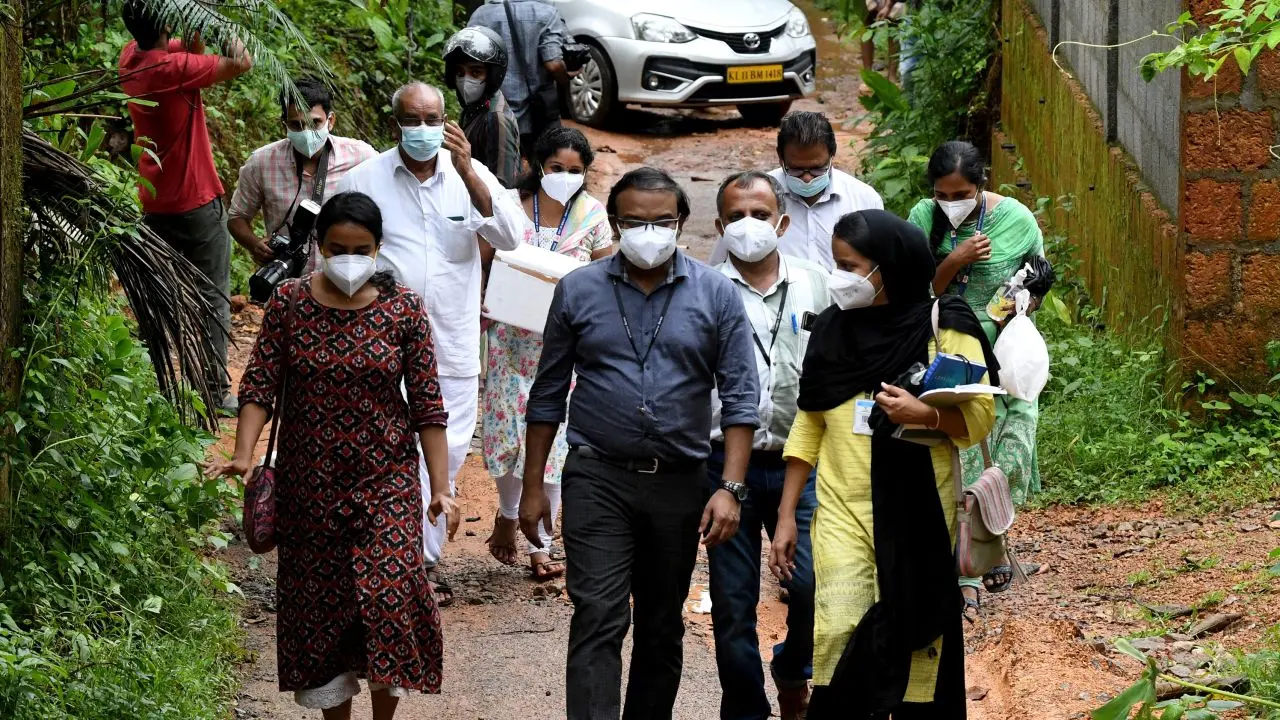
In 2026, India has reported increasing cases of Nipah virus, predominantly in the southern state of Kerala, where numerous outbreaks have occurred in the past. As of the latest health data, authorities are monitoring several villages where suspicious cases have been identified. As of mid-year, state health departments have reported a rise in hospitalizations linked to suspected Nipah virus infections, prompting an urgent review of containment protocols.
The Nipah virus is transmitted from animals to humans, primarily through fruit bats. Human-to-human transmission has also been noted, frequently seen in close contact situations. As reported by the Ministry of Health and Family Welfare, precautionary measures have been escalated in affected areas, including traveler advisories and heightened surveillance.
Response Measures
In light of the outbreak, the Indian government has initiated several response measures, including strengthening public health communication and expanding laboratory testing capabilities. Educational campaigns about avoiding contact with bats and monitoring symptoms have been launched in local communities. The government is also collaborating with international health organizations to implement effective strategies for containment and prevention.
Looking Ahead
Public health experts emphasize the importance of preparedness in managing the Nipah virus. Given its high mortality rate and the potential for spread, ongoing research into vaccines and treatments is critical. Molecular studies are underway to better understand the virus’s transmission dynamics, which will aid in developing targeted responses for future outbreaks.
Conclusion
The Nipah virus poses a significant public health challenge in India as evidenced by the 2026 outbreak. With vigilant monitoring and prompt interventions, the impact of this virus can be mitigated. Awareness and proactive measures at community levels are essential to avoid widespread infections. As authorities continue to respond to the evolving situation, maintaining public vigilance and preparedness will remain crucial in the fight against Nipah virus outbreaks.