Introduction
The No Kings March 28 event has emerged as a crucial protest aimed at advocating for social justice and equality in communities across the country. As more individuals and organizations join the cause, this date has become significant in raising awareness about systemic issues and promoting collective action. The relevance of this movement underscores the growing demand for transparency and accountability within societal structures.
Details of the Event
Scheduled for March 28, the No Kings protest anticipates participation from thousands of activists, students, and community leaders nationwide. The event is spearheaded by various grassroots organizations dedicated to highlighting critical issues such as racial equality, economic justice, and environmental sustainability. Delegates will gather in major cities, including New York, Los Angeles, and Chicago, to voice their concerns and advocate for change.
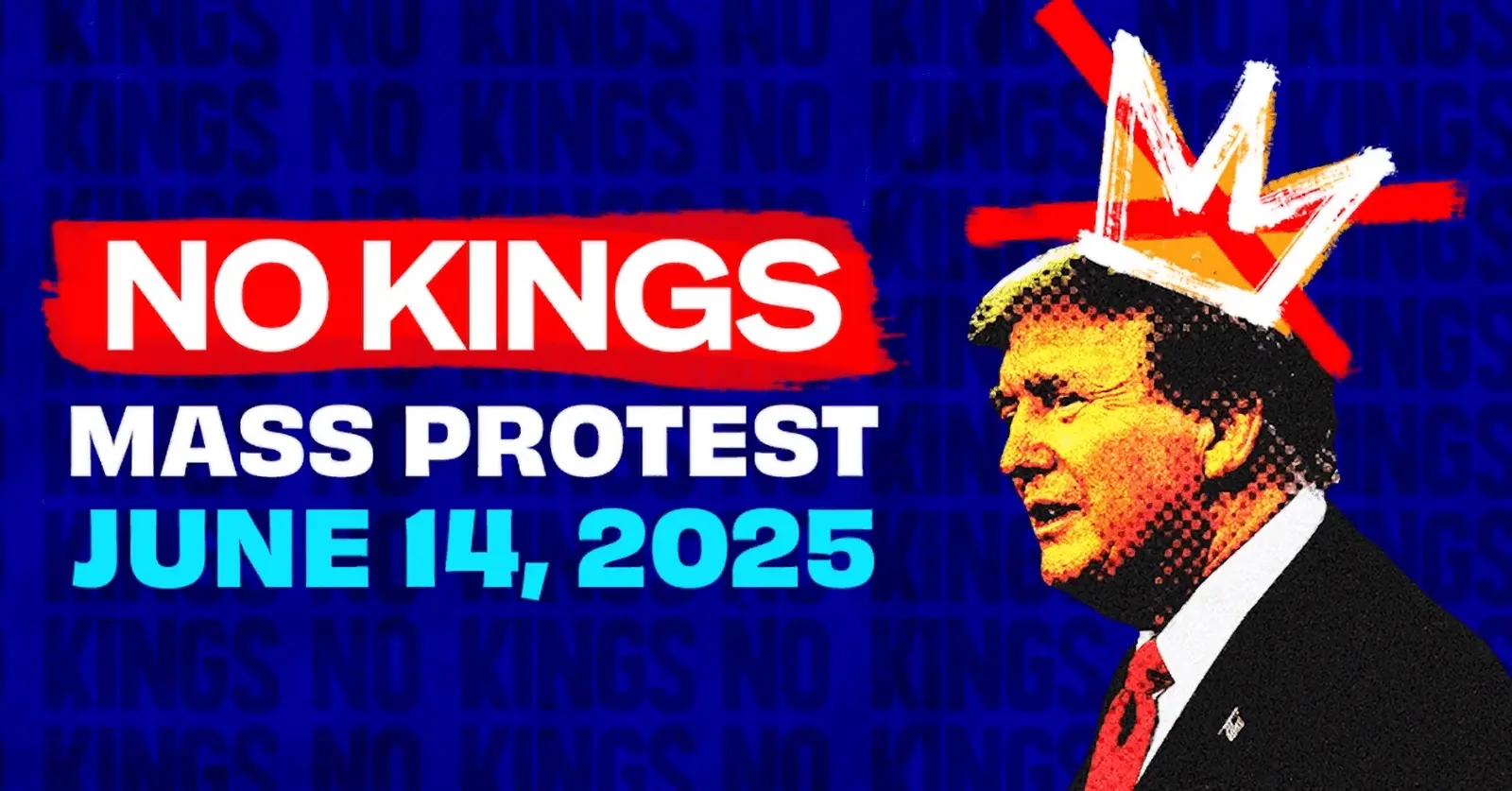
The slogan “No Kings” symbolizes the rejection of authoritarian leadership and the pursuit of a society where power is distributed more equitably among its citizens. Thus far, organizers have announced a series of workshops, speeches, and open forums aimed at educating participants about the importance of civic engagement and the power of collective action.
Events Leading Up to the Protest
In recent weeks, the movement has gained traction, largely thanks to social media platforms that have helped disseminate information rapidly. Influential figures from various activist circles have publicly endorsed the No Kings March 28, bringing further visibility to the cause. Community rallies have been organized in the lead-up to the protest to mobilize supporters and engage with local populations on the core issues that will be addressed on the day of the march.
Conclusion
The No Kings March 28 represents more than just a day of protest; it embodies a collective cry for justice and equality in society. As the event approaches, many anticipate that it will serve as a pivotal moment in unifying disparate movements advocating for social change. The outpouring of support from various communities suggests a potential shift in public discourse, highlighting the importance of citizen participation in shaping a better future. For those interested in social justice, the outcomes of this protest could influence policy discussions and community engagement for years to come.