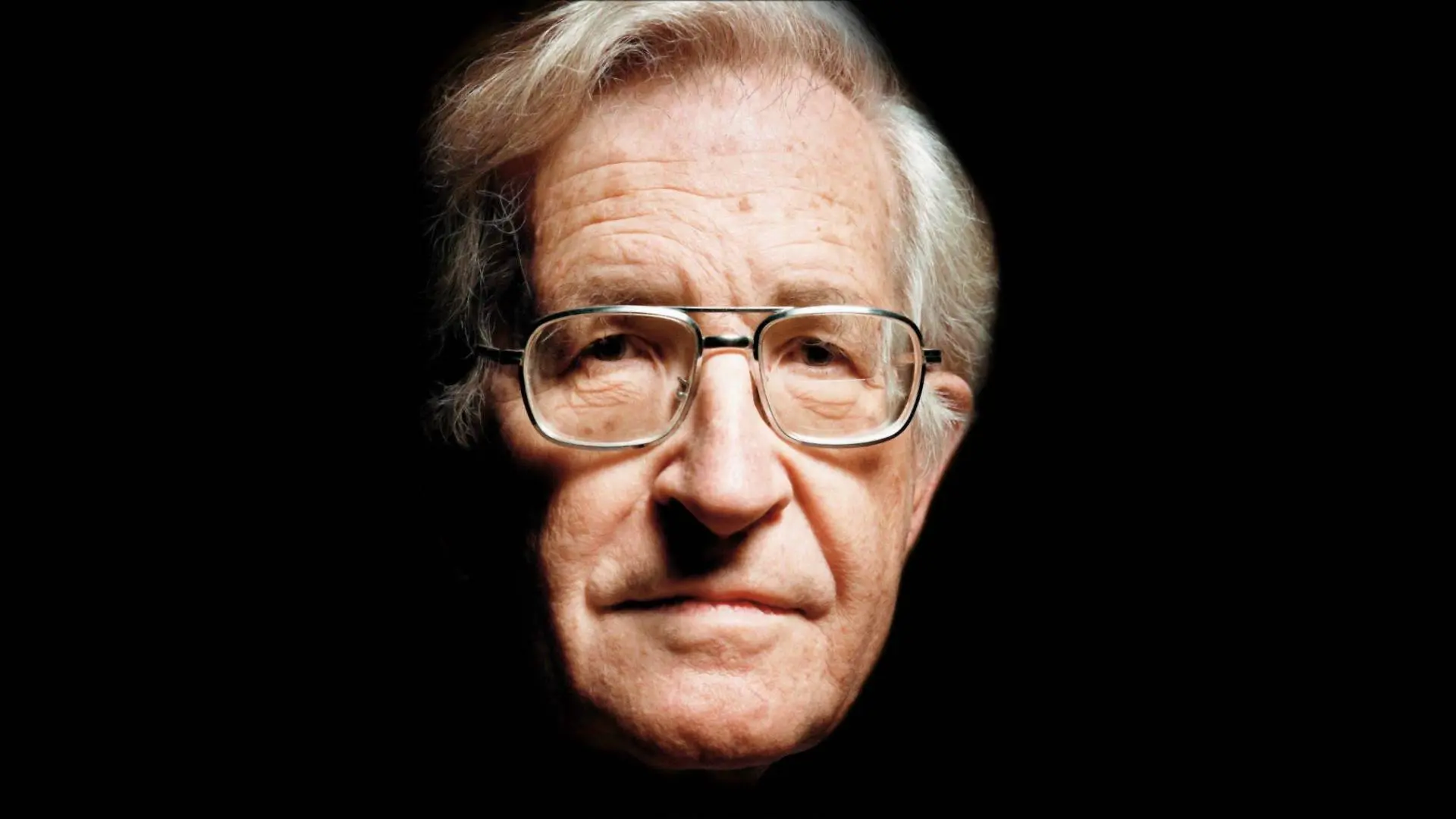
Introduction to Noam Chomsky
Noam Chomsky, a name synonymous with revolutionary thoughts in linguistics and political activism, continues to influence both academic and public discourse. His ideas have shaped the way we understand language, cognition, and social justice, making his work incredibly relevant in today’s society. Whether through his theories on language acquisition or his critiques of political systems, Chomsky’s insights challenge conventional thinking and encourage a deeper exploration of our world.
Impact on Linguistics
Chomsky’s most notable contribution to linguistics came with the formulation of the theory of generative grammar, introduced in his landmark book “Syntactic Structures” published in 1957. This theory argues that the ability to acquire language is innate to humans, a concept that reshaped linguistic research and sparked debates that continue to this day. Currently, his theories form the foundation for modern linguistics and cognitive science, shedding light on the complexities of language development.
Political Activism and Critique
In addition to his linguistic contributions, Chomsky is recognized as a formidable critic of U.S. foreign policy and corporate power. His works, such as “Manufacturing Consent,” co-authored with Edward S. Herman, reveal how media serves the interests of political elites rather than informing the public. Chomsky’s activism extends beyond academia; he engages with the general public through lectures, writings, and interviews that address pressing social issues and advocate for human rights and justice.
Recent Developments and Contributions
As of 2023, Chomsky continues to write and speak on various platforms, discussing the impact of technology on society, climate change, and the rise of authoritarianism. His recent publications reflect on the intersections of language, power, and politics, emphasizing the need for critical thought in an increasingly complex world. Chomsky’s voice remains vital as he challenges rising nationalism and advocates for global solidarity.
Conclusion: The Legacy of Noam Chomsky
Noam Chomsky’s work transcends the fields of linguistics and politics; it invites readers and scholars alike to question established norms and embrace a more equitable society. As debates over language, governance, and media continue to evolve, Chomsky’s theories and critiques will undoubtedly remain significant. For anyone keen on understanding language or politics, engaging with Chomsky’s work offers not only knowledge but also the tools to examine and possibly influence the trajectory of societal discourse.