Introduction
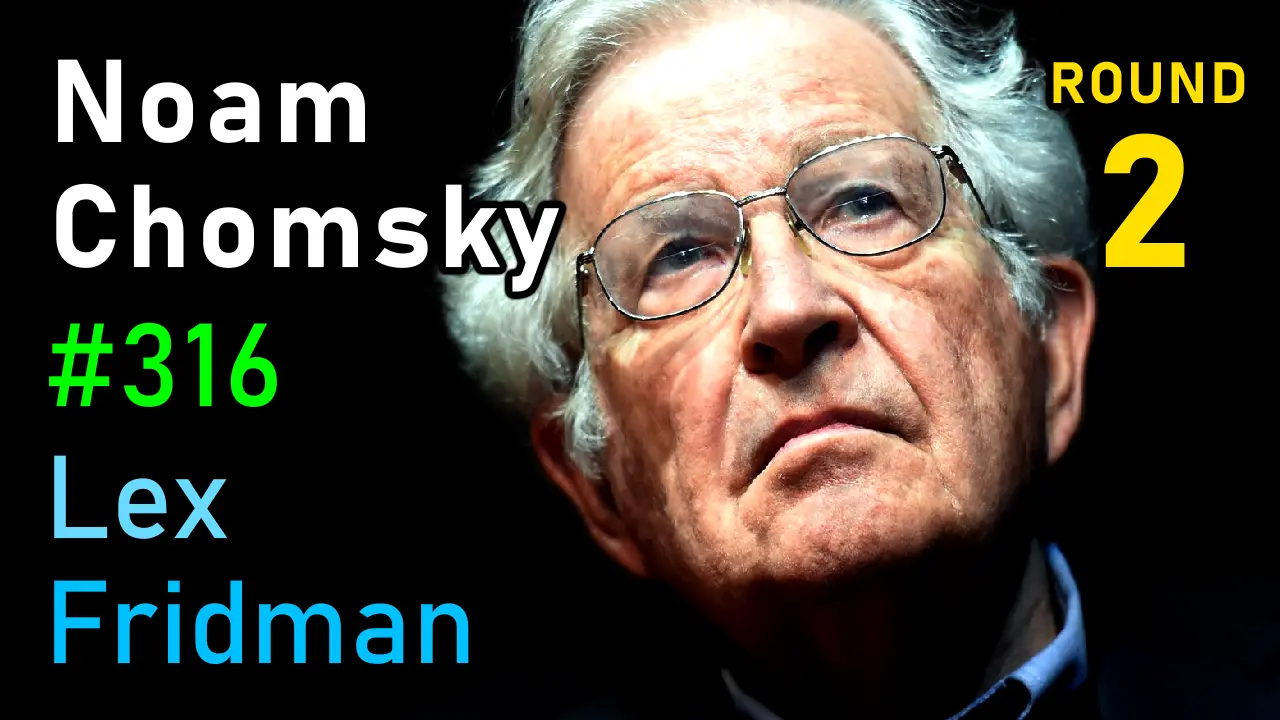
Noam Chomsky, a renowned linguist, philosopher, cognitive scientist, historian, and social critic, is a pivotal figure in the understanding of language and its implications for human thought and society. His theories have not only shaped the field of linguistics but have also influenced various disciplines such as psychology, philosophy, and even political science. With a career spanning over six decades, Chomsky’s work remains relevant in today’s discussions about language, cognition, and politics.
Chomsky’s Linguistic Theories
Born on December 7, 1928, in Philadelphia, Pennsylvania, Chomsky revolutionized linguistics in the 1950s with his theory of generative grammar, which posits that the ability to generate sentences is hardwired into the human brain. His idea of an innate language faculty suggests that all humans share a universal grammar, allowing for the acquisition of language across diverse cultures. This paradigm shift challenged the structuralist approach that dominated the field and opened the doors to cognitive sciences.
Political Activism and Critique
Aside from his scientific contributions, Chomsky is also renowned for his critiques of media and government. His concept of “manufacturing consent” argues that mass media serves as a tool for powerful interests to shape public opinion and political discourse, often at the expense of democratic principles. His political writings, especially regarding U.S. foreign policy and corporate power, have sparked discussions that remain central in political activism today. His book “Hegemony or Survival” discusses the U.S. role in global politics, emphasizing ethical considerations and promoting activism for social justice.
Recent Developments
As of 2023, Chomsky continues to write and speak on various platforms, addressing contemporary issues such as the impact of technology on language and communication, the rise of populism, and environmental concerns. He urges society to critically assess the information we consume amidst growing misinformation influenced by digital media.
Conclusion
Noam Chomsky’s contributions to linguistics and political thought remain profoundly influential today. His work continues to inspire new generations of scholars, activists, and citizens to question established norms and seek deeper understanding in both language and politics. As issues like climate change, social inequality, and the globalization of information continue to evolve, Chomsky’s perspectives provide essential insights for navigating complex societal challenges.