Introduction to Ramadan 2026
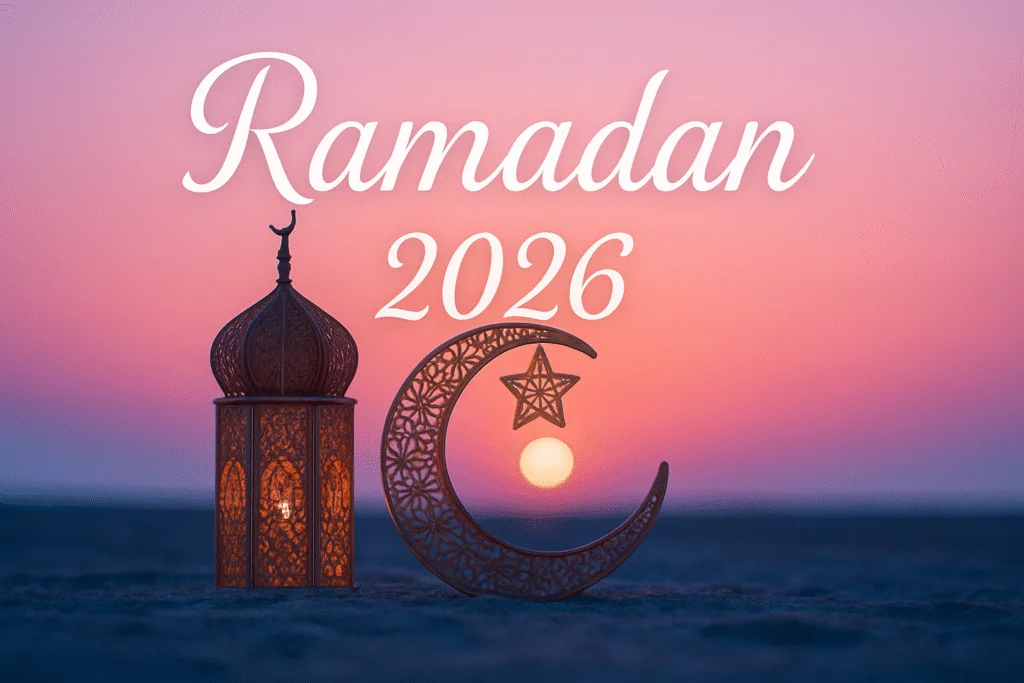
Ramadan, the ninth month of the Islamic lunar calendar, is a time of fasting, spiritual reflection, and community for Muslims around the world. In 2026, Ramadan is expected to begin around the evening of Sunday, March 15, and end with Eid al-Fitr on the evening of Tuesday, April 14. The observance of Ramadan holds immense significance as it commemorates the first revelation of the Quran to Prophet Muhammad. With approximately 1.9 billion Muslims globally, understanding the importance of this month aids in fostering intercultural respect and understanding.
The Practices of Ramadan
The primary practice during Ramadan is fasting from dawn until sunset, which involves abstaining from food, drink, smoking, and sinful behavior. The fast, known as ‘Sawm,’ is broken each day with Iftar, a meal often shared with family and friends, fostering community and connection. Many Muslims also engage in additional prayers, known as ‘Tarawih,’ during this month. The nights of Ramadan hold great significance, especially Laylat al-Qadr, believed to be the night when the Quran was first revealed, often observed as a time for prayer and reflection.
Global Observance and Cultural Significance
While the fasting practice is consistent across the Islamic world, cultural variations color the observance of Ramadan. Countries such as Egypt, Indonesia, Turkey, and Morocco celebrate the month with unique traditions, from lantern festivals to communal prayers. Local cuisines often take center stage during Iftar meals, showcasing the rich culinary diversity that exists within the Muslim community. In 2026, like previous years, Ramadan is expected to be marked not only by personal reflection and community bonding but also by an increased emphasis on charity.
Conclusion: The Future of Ramadan Observances
As Ramadan approaches in 2026, Muslims around the world prepare to engage deeply with their faith and community. The significance of this month extends beyond religious practices; it emphasizes values of compassion, charity, and shared experiences. With ongoing global challenges, the communal aspects of Ramadan will likely resonate profoundly, as individuals seek unity and solace. The year 2026 will provide another opportunity for Muslims to unite in faith, look forward to the joys of Eid al-Fitr, and reinforce the shared values that underpin a sense of belonging in a diverse world.