Introduction
Rivian stock has captured the attention of investors and automotive enthusiasts since the company went public in November 2021. As a pioneer in the electric vehicle (EV) sector, Rivian’s performance in the stock market reflects broader trends within the industry. With the growing demand for EVs and increasing investments in sustainable technology, understanding Rivian’s stock dynamics is crucial for stakeholders.
Rivian’s Market Position
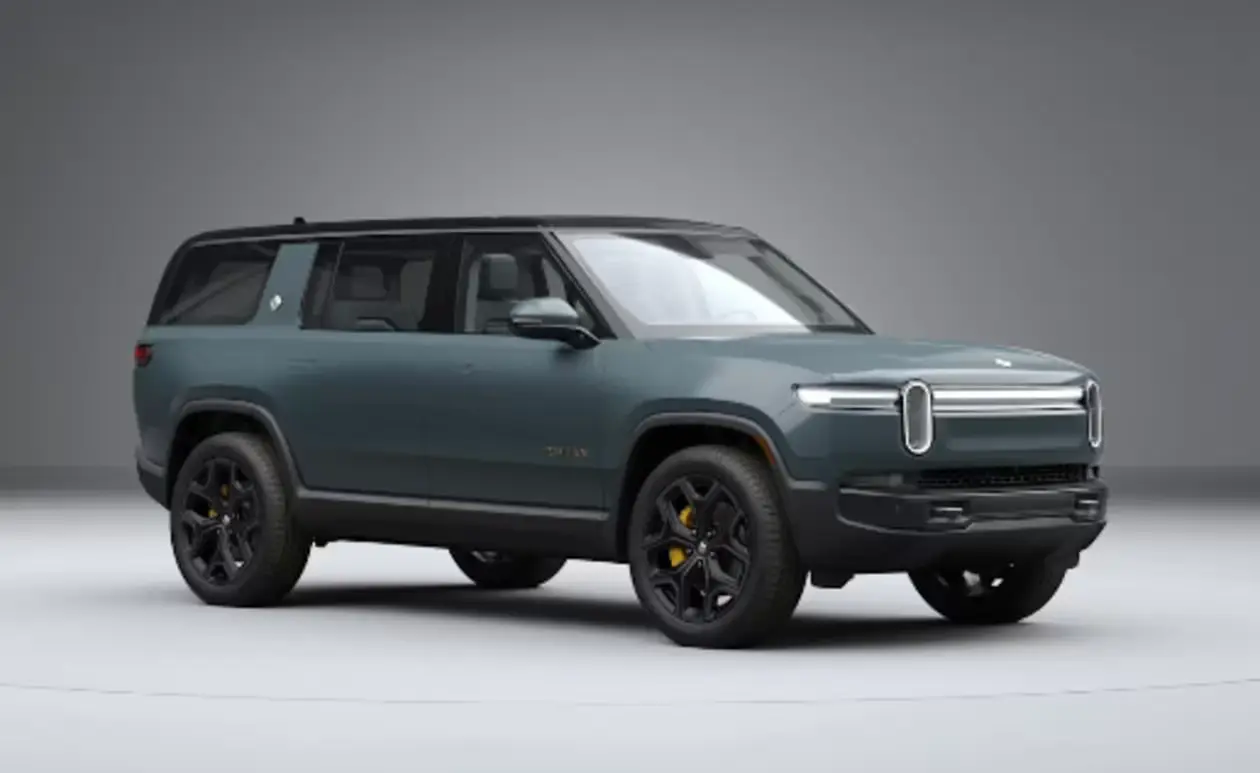
Rivian Automotive, Inc., known for its electric trucks and SUVs, has made significant strides in the automotive sector. Initially launched with the R1T pickup truck and R1S SUV, the company reported an impressive reservation tally, which peaked at 100,000 pre-orders. However, Rivian’s stock has experienced fluctuations due to various factors impacting its production capacity, supply chain issues, and competition from established automakers investing heavily in their electric vehicle lines.
Recent Performance
As of October 2023, Rivian stock has experienced notable volatility. After achieving a peak stock price shortly after its IPO, the stock faced dwindling investor confidence due to production challenges and rising operational costs. Reports suggest that Rivian has worked diligently to scale its production, this effort has shown signs of stabilization in its stock performance. In the third quarter of 2023, Rivian’s reported earnings showed an increase in vehicle deliveries compared to the previous quarter, providing a glimmer of hope for investors.
Market Influences
Several external factors continue to influence Rivian’s stock performance. Firstly, the backdrop of rising interest rates and inflation has altered investment appetites across the stock market, generally affecting high-growth stocks like Rivian. Secondly, intense competition in the EV market from automakers like Tesla, Ford, and General Motors presents additional challenges for Rivian in maintaining its market share. Additionally, geopolitical tensions and supply chain disruptions have been constant hurdles that the company has had to navigate.
Conclusion
Looking ahead, Rivian’s future in the stock market remains uncertain yet promising. Analysts suggest that while short-term fluctuations are likely to continue as the company overcomes production hurdles, the long-term outlook may improve if Rivian can capitalize on its innovative technology and growing consumer interest in electric vehicles. Investors are advised to keep a close eye on Rivian’s quarterly earnings reports and industry trends as they assess the company’s stock performance in the coming months.