Introduction
As winter approaches in Wisconsin, school closings have become a critical topic for parents, students, and educators. Understanding the reasons behind these closures and how they are communicated is essential for ensuring student safety and maintaining educational continuity. Recent data indicates a significant uptick in schools closing due to severe weather conditions, highlighting the need for timely information.
Reasons for School Closings
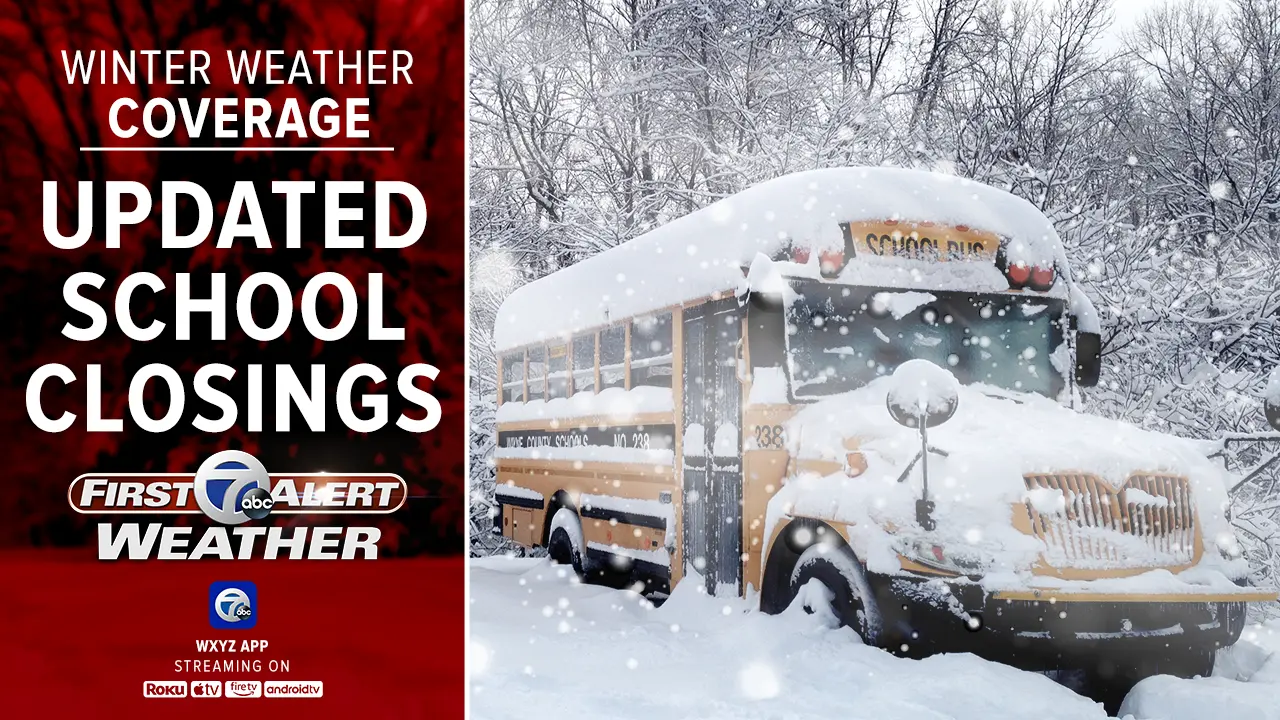
Typically, schools in Wisconsin close due to adverse weather conditions such as heavy snowfall, extreme cold, or hazardous road conditions. This year, the state has already witnessed several incidents of unexpected snowfall that have caused multiple districts to evaluate their safety protocols. In late October, for example, some schools in northern Wisconsin closed due to a sudden winter storm that blanketed areas with over a foot of snow. The Wisconsin Department of Public Instruction provides guidelines for schools to follow regarding closures that prioritize student and staff safety.
Impact on Students and Educators
School closings not only affect students’ schedules but also influence teachers’ lesson plans, extracurricular activities, and family routines. As schools try to accommodate lost instructional time, districts are often forced to reschedule days or extend the school year to meet educational requirements. Furthermore, school closures can pose challenges for parents who must find alternative childcare or work arrangements during these unforeseen breaks.
Keeping Informed
In today’s digital age, staying informed about school closures is more accessible than ever. Many districts utilize automated messaging systems to inform parents via text, email, and social media. Websites like the Wisconsin Department of Public Instruction regularly update school closing information, while local news outlets provide timely reports on weather conditions affecting schools. Parents are encouraged to ensure their contact information is up-to-date with their child’s school to receive notifications promptly.
Conclusion
As Wisconsin faces the potential for heavy snowfall and cold weather in the coming months, anticipation around school closings will remain high. Both parents and educators must remain vigilant and stay informed about the mechanisms for closure notifications. By understanding the reasons behind school closures and being proactive in communication, students can ensure they remain safe and continue their education with minimal disruption during challenging weather conditions.