Introduction
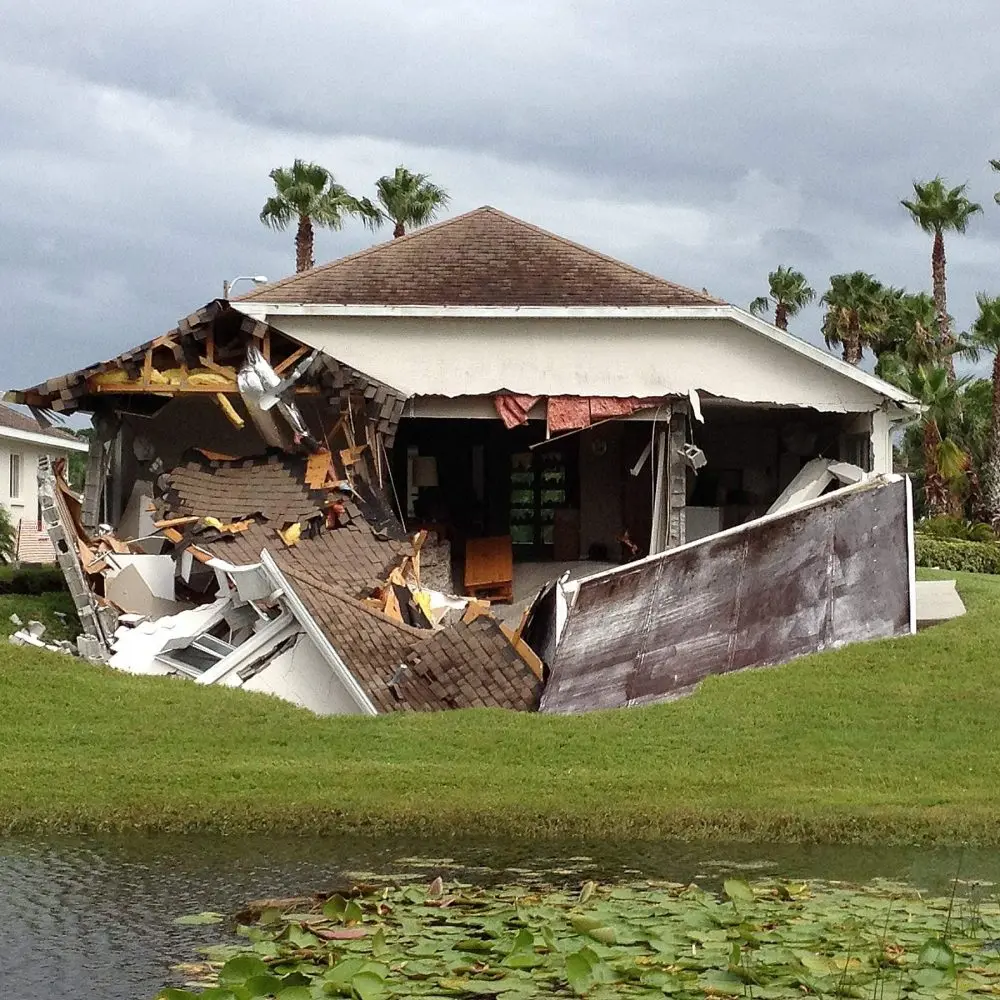
Sinkholes are natural occurrences that can pose significant threats to safety and infrastructure. These sudden depressions in the ground, often occurring with little warning, can cause severe damage to homes, roads, and even entire communities. As urban areas expand and more development takes place, the relevance of understanding sinkholes becomes increasingly critical.
Recent Incidents
In September 2023, a substantial sinkhole opened up in a residential area of Charlotte, North Carolina, measuring approximately 30 feet in diameter. The incident was caused by heavy rainfall which led to the erosion of the soil beneath the surface. Thankfully, there were no injuries reported, but several homes were evacuated as a precaution, highlighting the risks such events pose.
Another notable incident occurred in Florida, a region known for its limestone bedrock, which often leads to sinkhole formation. A sinkhole emerged in a parking lot in Kissimmee, swallowing several cars. Local authorities attributed this incident to the ongoing drainage issues exacerbated by heavy rains. Community officials are now evaluating ongoing infrastructure and drainage systems to mitigate similar occurrences in the future.
What Causes Sinkholes?
Sinkholes are typically caused by the dissolution of soluble bedrock such as limestone, gypsum, or salt. Rainfall can seep through these types of rock, gradually eroding them and creating underground voids. When the surface above the void can no longer support its weight, a sinkhole forms. Human activities, such as drilling, mining, or excessive water extraction can also trigger sinkhole developments.
The Impact on Communities
Communities that experience sinkholes often face substantial economic burdens due to damage to property and infrastructure. Recovery can be costly and time-consuming, and local governments may struggle to provide immediate support to affected residents. Furthermore, sinkholes can significantly lower property values in impacted neighborhoods, creating long-term economic implications.
Conclusion
As climate change leads to increased rainfall and shifting weather patterns, the frequency and severity of sinkholes may rise, making awareness and education on the topic crucial. Communities should consider investing in better drainage systems and monitoring geological conditions to reduce risks. Understanding the natural processes behind sinkholes and responding effectively can help minimize their impact and protect lives and property.