Introduction
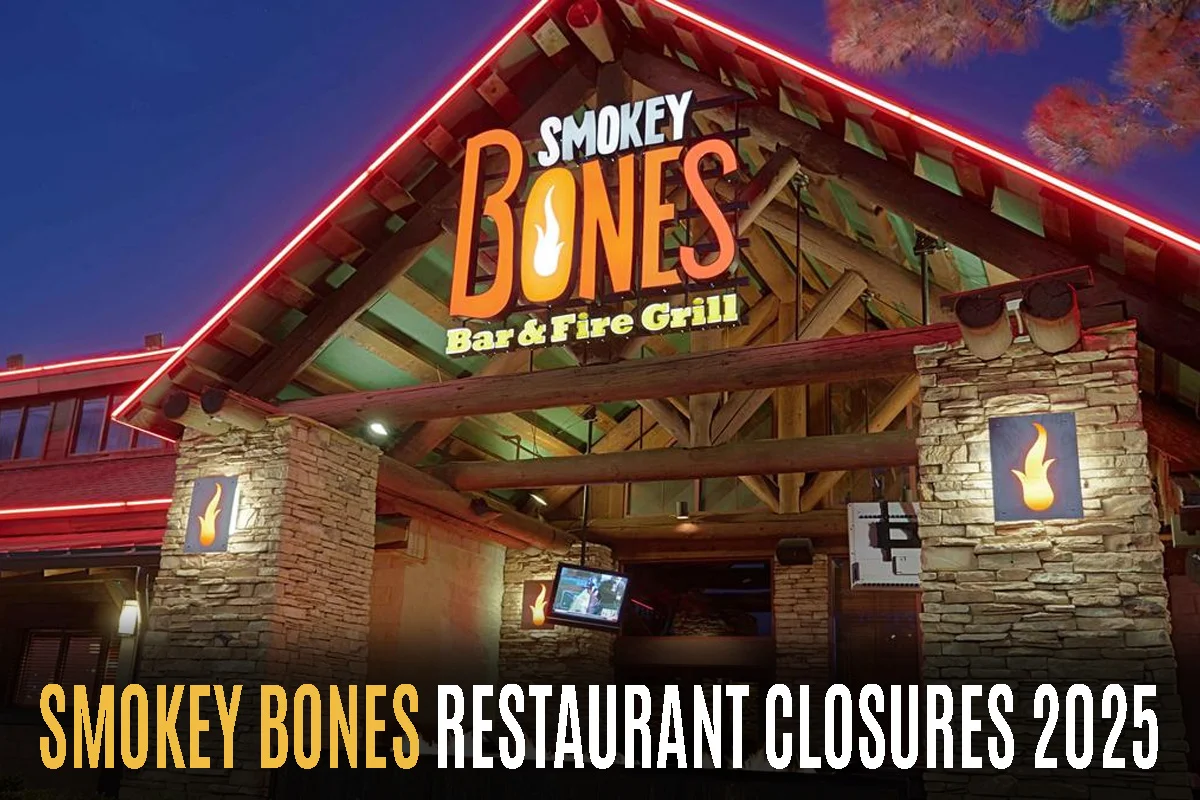
The restaurant industry has faced numerous challenges in recent years, with economic shifts and changing consumer preferences leading many establishments to reevaluate their operations. Recently, the casual dining chain Smokey Bones announced a series of restaurant closures, sparking discussions about the future of the brand and its relevance in today’s market.
Details of the Closures
Smokey Bones, known for its barbecue and smokehouse cuisine, has confirmed the shut-down of several locations across the United States. Though specifics about the number of closures remain sparse, the company attributed these decisions to various factors, including rising operational costs and an ongoing challenge in maintaining profitability amid fierce competition.
In a statement, the management highlighted they are focusing on their most successful locations. As a result, some underperforming sites will be closed. The closures are part of a broader trend within the restaurant industry, where many chains are reassessing their footprint to navigate post-pandemic realities.
Impact on Employees and Communities
Employees at the closed locations have expressed concerns about job security, with many losing their source of income abruptly. Some communities are likely to feel the impact of the closures, particularly in areas where Smokey Bones had become a popular dining destination. Local economies, already struggling from previous restaurant closures during the pandemic, may face additional strain as these establishments permanently close their doors.
The Future of Smokey Bones
While the closures may seem discouraging, they could also signal a strategic shift for Smokey Bones. By focusing on their more profitable restaurants and investing in enhancing customer experiences at those locations, the brand hopes to stabilize and eventually regrow its market presence. Industry experts predict that chains like Smokey Bones will need to innovate their menus and improve their service quality to attract diners who now have a multitude of dining options.
Conclusion
The recent closures of Smokey Bones restaurants underscore the ongoing fluctuations within the food industry, influenced by economic pressures and evolving customer expectations. While any closure is unfortunate for the affected employees and surrounding communities, it may pave the way for stronger, more focused operations in the future. As Smokey Bones navigates this phase, observers will be keen to see how the brand adapts and identifies new strategies to thrive in a competitive landscape.