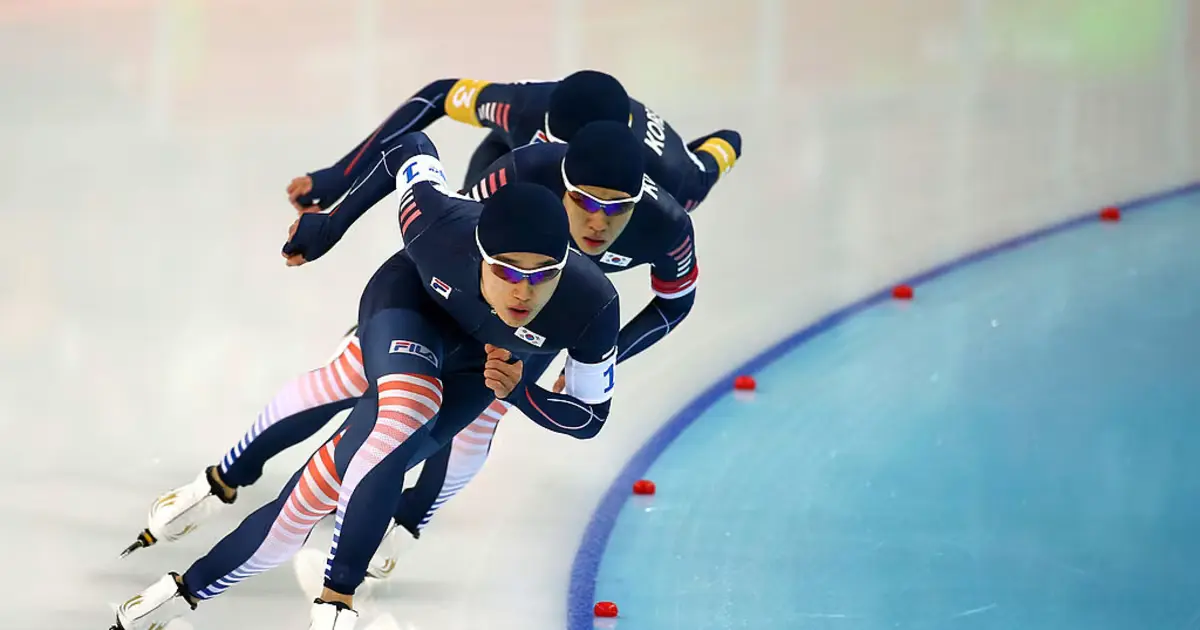
Introduction to Team Pursuit Speed Skating
Team pursuit speed skating is an exhilarating Olympic sport where teams of skaters race against each other over a distance of 3,000 meters for women and 4,000 meters for men. It combines speed, strategy, and teamwork, making it not only a test of individual talent but also of collective effort. As speed skating continues to grow in popularity, understanding the nuances and recent developments within team pursuit is essential for fans and aspiring athletes alike.
The Basics of Team Pursuit
In team pursuit speed skating, each team typically consists of three skaters. The race begins with each team starting from opposite sides of the oval track. The objective is to complete the specified distance in the shortest time possible, but teams can also be eliminated if one of their members falls behind. The time recorded for the team is based on the time of the last skater to cross the finish line, accentuating the need for constant coordination and pace management among the team members.
Recent Developments in the Sport
Recently, team pursuit speed skating has seen increased visibility on the world stage, particularly during the Olympic Games. At the 2022 Beijing Winter Olympics, the event garnered significant attention as new records were set. The Netherlands and Japan dominated the events, showcasing impressive tactical racing and fast times. The Dutch women’s team, in particular, made headlines by breaking Olympic records with their stylish and efficient racing techniques.
Moreover, with the upcoming 2026 Winter Olympics in Milan-Cortina, there is much anticipation surrounding the evolution of racing strategies, improvements in equipment, and the potential emergence of new powerhouse teams. Training programs are also adapting, with a greater emphasis on physical conditioning and psychological preparation for athletes.
Strategies and Skills Required
Team pursuit speed skating demands a unique skill set. Communication, synchronization, and technical prowess are crucial for success. Teams often develop specific tactical strategies, such as taking turns at the front to conserve energy or making coordinated bursts of speed to gain an advantage. Coaches play a significant role in crafting these strategies based on the team’s strengths and weaknesses.
Conclusion
As team pursuit speed skating continues to evolve, it remains a thrilling part of winter sports competitions with its blend of speed, teamwork, and strategy. With ongoing advancements in training and equipment, and the heightened competition on the international stage, fans can expect even more exciting performances in the future. Aspiring skaters looking to excel in this vibrant sport need to focus on developing team dynamics and individual skills to keep pace with emerging trends.