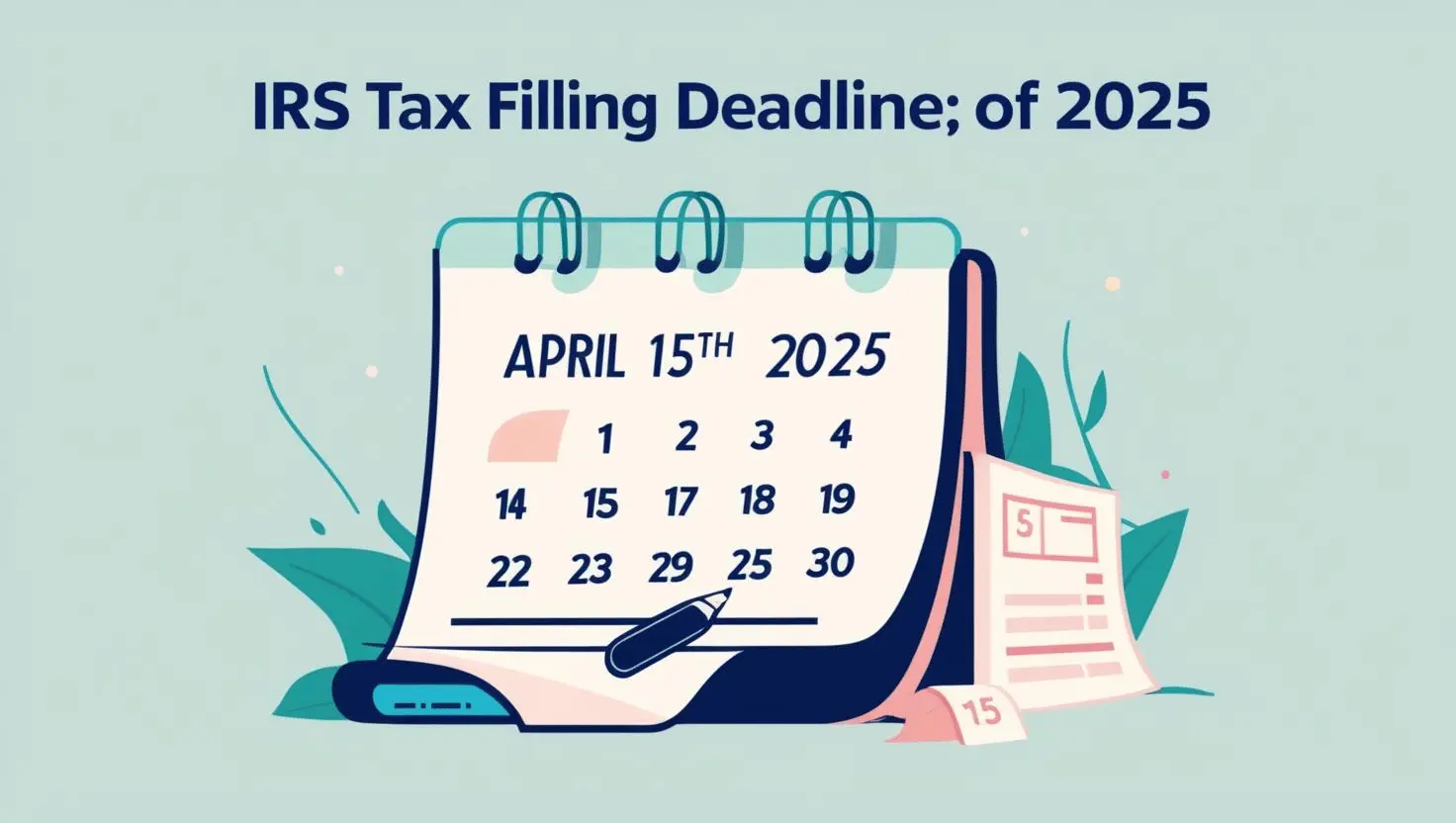
Importance of the Tax Filing Deadline
The tax filing deadline is a crucial date for millions of Americans, marking the end of the tax year and the point by which individuals must submit their tax returns to the Internal Revenue Service (IRS). Failure to meet this deadline can result in penalties, interest, and lost refunds. As the deadline approaches, taxpayers must prepare to ensure compliance with federal regulations.
Main Body
For the 2023 tax year, the tax filing deadline falls on April 18, 2024. This deadline is set for individuals filing their tax returns, including those who file electronically and by mail. It’s important to note that this is different from the traditional April 15 deadline, which was postponed due to legal observances in Washington, D.C.
In preparation for the tax season, many taxpayers are advised to gather necessary documentation early. This includes W-2 forms from employers, 1099 forms for any additional income, and receipts for deductible expenses. The IRS recommends using tax preparation software or consulting with tax professionals to ensure accurate reporting and optimize deductions.
Extensions and Late Filings
If taxpayers need additional time to prepare their returns, they can file for an extension. Form 4868 allows individuals to extend their filing deadline by six months, but this does not extend the time to pay any taxes owed. It’s crucial to estimate and pay any owed taxes by the original deadline to avoid penalties.
Implications of Missing the Deadline
Missing the tax filing deadline can have several consequences, including late fees, interest on unpaid taxes, and potential legal issues. The IRS also has mechanisms in place to assist taxpayers facing financial hardships. Some taxpayers may be eligible to set up installment agreements for unpaid liabilities, but this requires timely communication with the IRS.
Conclusion
The 2023 tax filing deadline is an essential date for responsible financial planning and compliance. As April 18 approaches, taxpayers should prioritize their tax obligations and consider seeking help if needed. Staying informed about tax laws and filing requirements is crucial for avoiding complications and ensuring a smooth tax season. This deadline not only affects personal finances but also has broader implications for national revenue and economic health.