The Significance of the Blood Moon
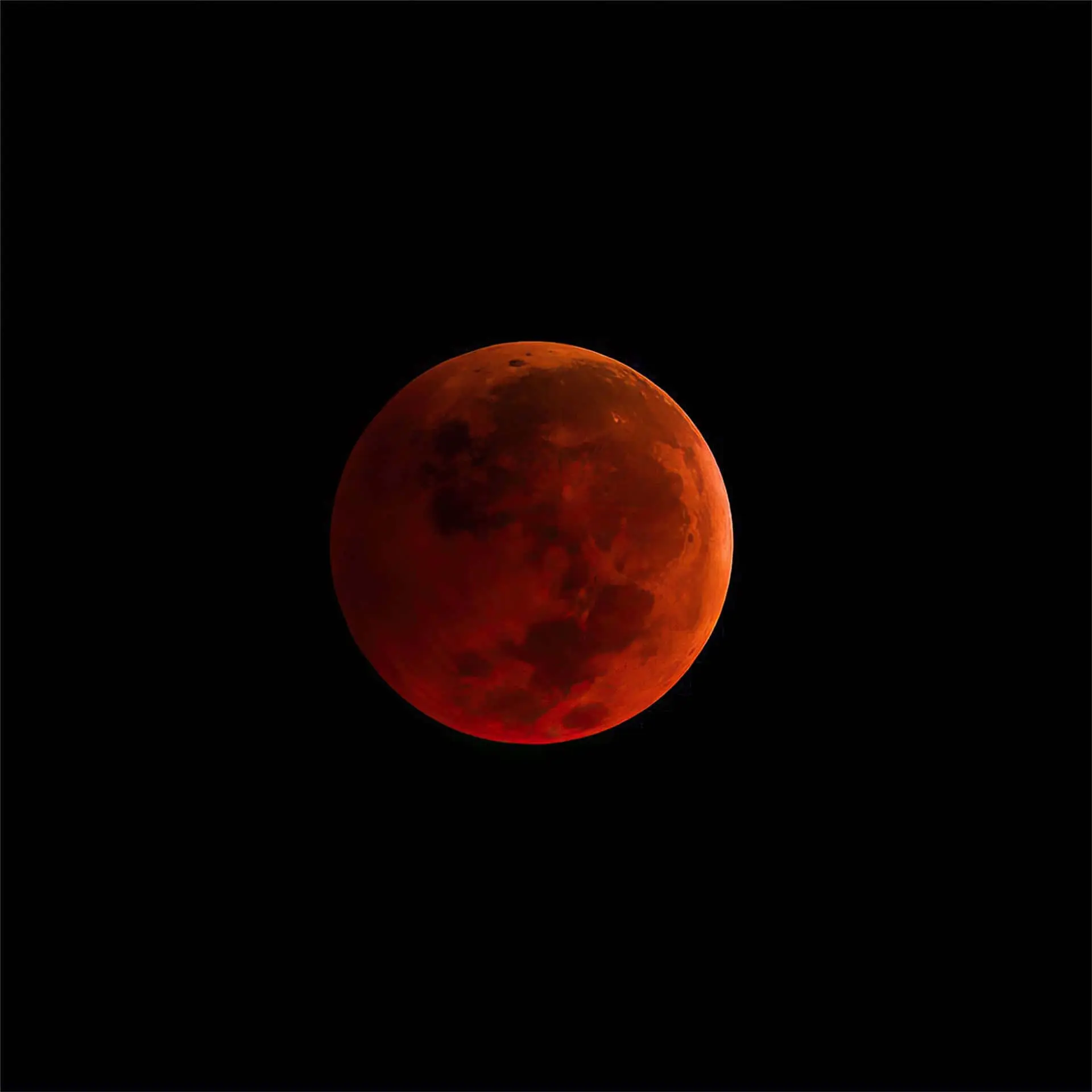
The blood moon, a term used to describe a total lunar eclipse where the moon takes on a reddish hue, captures the fascination of both astronomers and casual observers alike. These events occur when the Earth passes directly between the sun and the moon, leading to a phenomena that invokes curiosity and scientific inquiry. With a renewed interest in astronomy, the upcoming blood moon scheduled for November 8, 2023, has garnered significant attention.
What Causes a Blood Moon?
A blood moon occurs due to Rayleigh scattering, the same effect that causes sunsets to appear red. As the Earth’s shadow envelops the moon, sunlight refracts through the Earth’s atmosphere, casting a warm, reddish glow. This unique interaction between three celestial bodies results in an awe-inspiring display that can last several hours, depending on the specifics of the eclipse.
The Upcoming Blood Moon
The next anticipated blood moon will occur on November 8, 2023. Astronomers predict that this lunar eclipse will be particularly striking as it coincides with the full moon. In the United States, viewers will have an excellent opportunity to observe this event, as visibility will extend across much of North America, weather permitting. The peak of the eclipse will occur around midnight, making it an ideal time for night sky enthusiasts to gather and witness this extraordinary sight.
Historical Context and Cultural Significance
Throughout history, lunar eclipses have held significant cultural and historical value. Ancient civilizations often viewed blood moons as omens or divine messages. In many indigenous cultures, these events were associated with specific rituals and celebrations, reflecting the blend of mythology and celestial events. Thus, as modern society prepares for the November blood moon, it’s important to recognize both its scientific and cultural heritage.
Viewing Tips
For those interested in viewing the blood moon, minimal equipment is required. A clear night with minimal light pollution is preferred for optimal viewing. Binoculars or a simple telescope can enhance the experience, allowing observers to appreciate the moon’s texture during the eclipse. Additionally, photography enthusiasts are encouraged to prepare their cameras to capture this incredible event.
Conclusion: The Ongoing Fascination with Eclipses
The upcoming blood moon on November 8, 2023, serves as a reminder of the incredible phenomena present in our skies. As interest in astronomy continues to grow, events like the blood moon not only foster scientific curiosity but also create moments for communal observation and cultural reflection. This blood moon presents an opportunity for everyone—from seasoned astronomers to casual sky gazers—to connect with the cosmos.