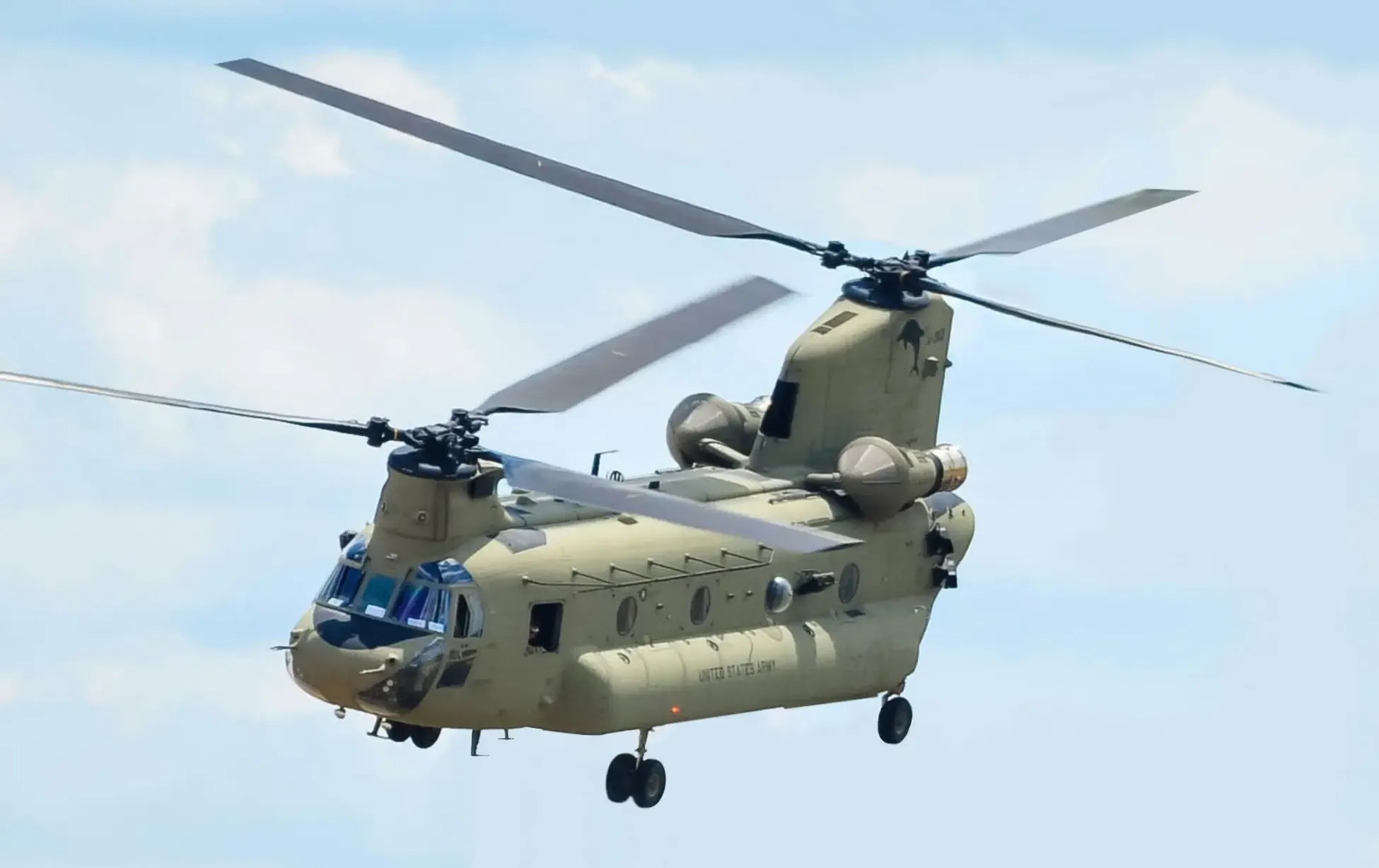
Introduction to the Chinook Helicopter
The Chinook helicopter, officially known as the CH-47 Chinook, is a powerful, versatile aircraft that has played a crucial role in military and humanitarian operations since its first flight in 1961. It is primarily used for troop and cargo transport, making it invaluable in various combat scenarios as well as in disaster relief efforts. With a unique tandem rotor configuration, the Chinook has become synonymous with heavy-lift capabilities.
Operational History and Current Use
The Chinook was developed in the 1950s and has been a significant asset for numerous armed forces worldwide, including the United States Army, which has used it extensively in conflicts in Vietnam, the Middle East, and more recently, in Afghanistan and Iraq. Its ability to carry up to 10 tons of cargo makes it ideal for moving troops and supplies in challenging terrain. Recent operations include supporting evacuation efforts during the U.S. troop withdrawal from Afghanistan in 2021 and aiding in natural disaster relief across the globe.
The Chinook’s design features two counter-rotating rotors that provide stability and lift, allowing it to hover and fly in adverse weather conditions. Its advanced avionics and maneuverability make it suitable for both combat and peacetime missions. Furthermore, the Chinook continues to receive upgrades to enhance its capabilities, ensuring that it remains relevant in modern military aviation.
Recent Developments and Future Prospects
In recent years, the Chinook has undergone significant enhancements through programs aimed at modernizing its systems. These updates include improved engines, upgraded avionics, and enhanced cargo handling capabilities. The U.S. Army plans to maintain the CH-47 fleet until at least 2030, suggesting that further advancements are likely as new technologies become available.
Conclusion
The Chinook helicopter is a remarkable example of engineering and design that continues to serve vital roles in military and humanitarian operations around the world. Its robustness and versatility ensure that it remains an integral part of military fleets and disaster response teams. As technology evolves, the future of the Chinook looks promising, with potential for innovative upgrades that will enhance its operational effectiveness in the coming years.