Introduction
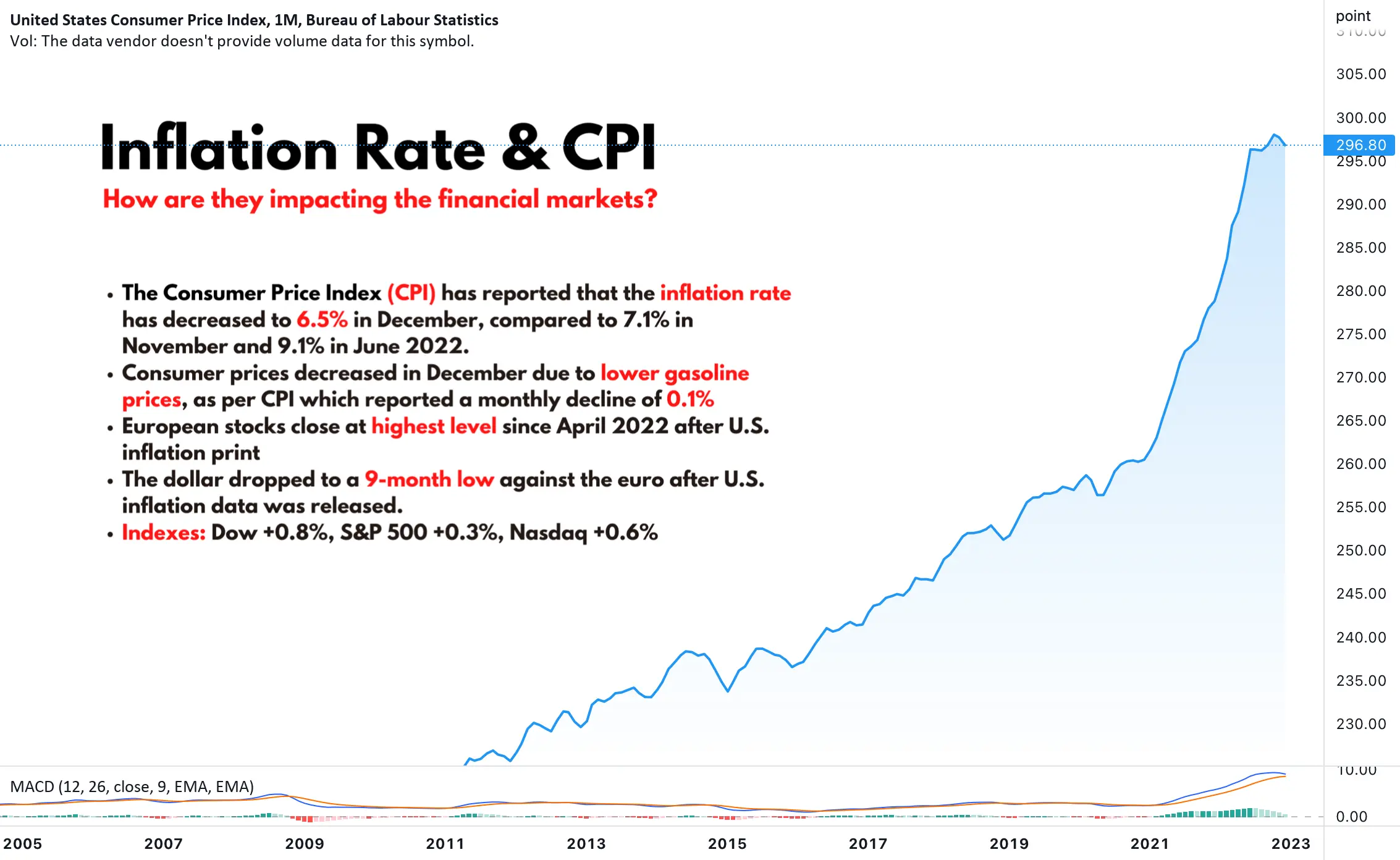
The Consumer Price Index (CPI) inflation rate is a critical economic indicator that measures the change in the price of a basket of goods and services consumed by households. Understanding the CPI inflation rate is essential as it impacts everything from personal finances to government policy decisions. As of recent reports, the CPI inflation rate remains a focal point for economists, policymakers, and consumers alike, reflecting changes in the economy following various global challenges such as the COVID-19 pandemic and ongoing geopolitical tensions.
Current CPI Inflation Rate
As of September 2023, the United States CPI inflation rate stands at 3.7%, a slight increase from the previous month’s reading. This rate reflects fluctuating energy prices and consumer demand. After experiencing highs of around 9% during 2022, the rate has been on a downward trajectory, although still above the Federal Reserve’s target rate of 2%. Factors contributing to the current rate include rising housing costs, food prices, and services, all of which have seen significant increases compared to previous years.
Impacts of CPI Inflation on the Economy
The implications of the CPI inflation rate are widespread. Rising inflation often leads to higher interest rates as the Federal Reserve attempts to control inflation by making borrowing more expensive. Consequently, this can impact economic growth and consumer spending. For everyday consumers, increased inflation means that their purchasing power is eroding, making it more expensive to buy groceries, gas, and other necessities. The latest CPI data suggests that the inflation rate, while declining from previous highs, continues to affect low- and middle-income families the hardest, as these households spend a larger portion of their income on essential goods and services.
Forecast and Conclusion
Looking forward, economists suggest that the CPI inflation rate may stabilize but remain above pre-pandemic levels for the foreseeable future. Factors like supply chain recoveries, labor market conditions, and ongoing global disruptions will play significant roles. For consumers, it is crucial to budget and plan for continued inflation while policymakers at the Federal Reserve will need to consider the balance between supporting economic growth and controlling inflation. Ultimately, the CPI inflation rate not only reflects current economic conditions but also acts as a signal for future trends and decisions in the economy.