Introduction
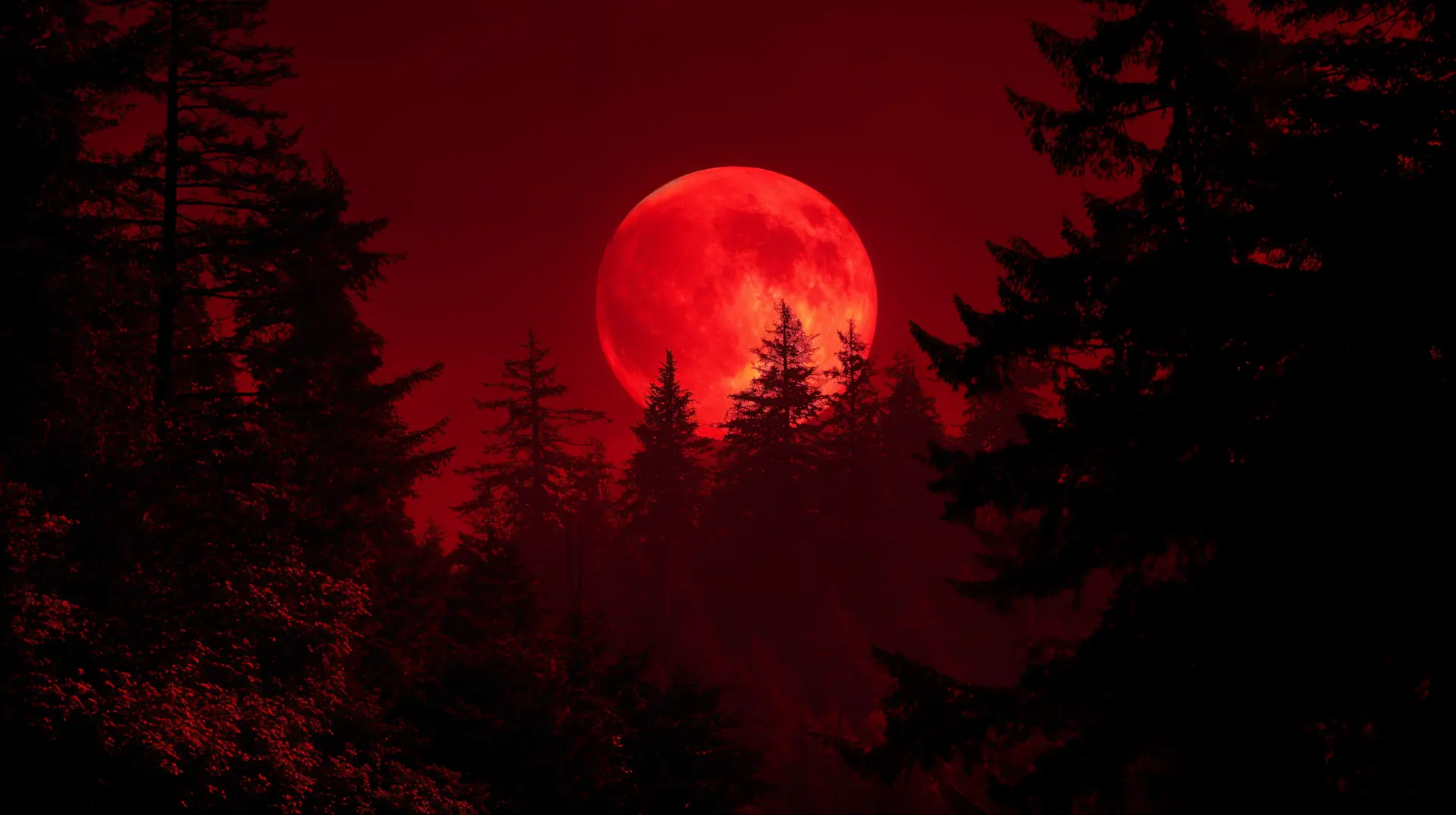
The crimson moon, often referred to as a blood moon, is a captivating celestial event that occurs during a lunar eclipse when the Earth passes directly between the sun and the moon. This phenomenon is significant not just for its striking appearance but also for its deep cultural roots and impact on various disciplines, including astronomy and folklore. As interest in astronomical events continues to rise, understanding the crimson moon’s importance becomes more relevant to both enthusiasts and casual viewers alike.
What Causes the Crimson Moon?
The crimson hue of the moon during this phenomenon is caused by Rayleigh scattering, the same principle that makes sunsets appear red. As sunlight passes through the Earth’s atmosphere, shorter blue wavelengths are scattered out, while the longer red wavelengths are filtered and illuminate the moon. This effect is particularly dramatic during a total lunar eclipse, which is a rare event—most lunar eclipses happen only a few times each year.
Recent Events and Cultural Significance
The last significant occurrence of the crimson moon was on May 15, 2022, when a total lunar eclipse cast the moon in a deep red glow. This captivating sight drew the attention of millions around the world and was visible in many regions including North America, South America, Europe, and parts of Africa. Such events often ignite public fascination and highlight the intersection of science and culture. Historically, many cultures have associated the crimson moon with various beliefs—some viewed it as an omen or a time of change, while others held festival celebrations to honor the event.
Forecasting Future Events
<pLooking ahead, the next anticipated occurrence of a crimson moon will be on November 8, 2022. This upcoming event will present another opportunity for skywatchers and astronomy lovers to witness the breathtaking beauty of the blood moon. As with past events, communities are likely to host viewing parties, educational programs, and discussions on the significance of lunar eclipses, encouraging people to engage with the night sky and deepen their understanding of astronomical phenomena.
Conclusion
The crimson moon continues to capture our imagination, reminding us of the wonders of our universe. As we anticipate future occurrences, the crimson moon not only serves as a reminder of the intricate relationships between celestial bodies but also connects us through shared cultural experiences and natural beauty. Whether you’re an astronomy enthusiast or simply someone looking to marvel at the night sky, the crimson moon offers a captivating glimpse into the dynamics of our universe.