The Importance of Somalia in the Horn of Africa
Somalia, located on the eastern coast of Africa, holds a significant geopolitical position in the Horn of Africa. Despite facing numerous challenges, including prolonged conflict, it is crucial to understand the current state of affairs in Somalia as it impacts regional stability, economic development, and humanitarian conditions. The latest events highlight the complexity of the situation as the country embarks on a path toward recovery and growth.
Recent Political Developments
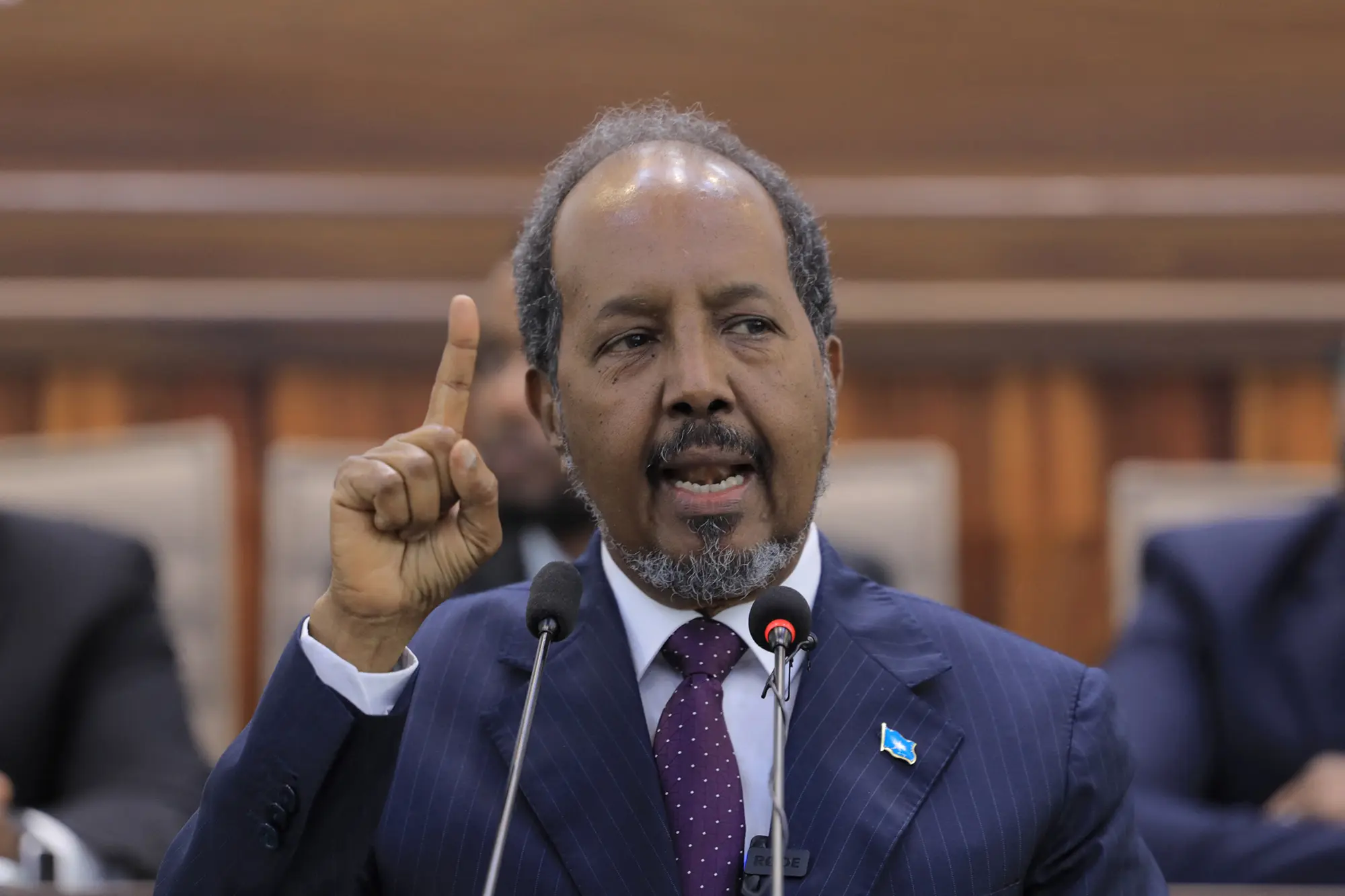
In recent months, political tensions have resurfaced in Somalia, particularly regarding the electoral process. After delays, the country finally held parliamentary elections in late 2021 and early 2022, marking a crucial step towards restoring democratic governance. However, clashes among factions and disputes over election results have raised concerns about stability. Ongoing negotiations among political leaders are crucial for maintaining peace and ensuring that elections lead to a legitimate government.
Economic Challenges and Opportunities
Somalia’s economy remains one of the most fragile in the world, impacted by insecurity, lack of infrastructure, and reliance on agriculture. However, recent reports indicate a potential for economic recovery driven by factors such as increased remittances from the Somali diaspora and the rise of the telecommunications sector, which has brought innovative financial solutions. Nonetheless, the country still faces challenges including high unemployment rates and food insecurity, exacerbated by adverse climatic conditions and recurring droughts.
Humanitarian Crisis and International Aid
The humanitarian situation in Somalia continues to be dire, with millions of individuals needing assistance. According to the United Nations, over 7 million people are affected by food insecurity, and the ongoing conflict has displaced over 2.9 million people. Aid organizations are working tirelessly to provide for those in need; however, access can be hindered by insecurity and logistical challenges. The international community’s support remains critical for addressing these humanitarian needs and rebuilding infrastructure.
Conclusion: The Path Forward
In conclusion, Somalia stands at a crossroads where the efforts to stabilize the nation depend on various factors, including political consensus, economic initiatives, and humanitarian assistance. While the challenges are significant, there are signs of progress and resilience among the Somali people. Moving forward, sustained engagement from the international community and a unified domestic front will be essential in shaping a brighter future for Somalia. Readers should remain informed and support initiatives that promote peace and stability in this crucial region of the world.