The Importance of Iraq in Today’s World
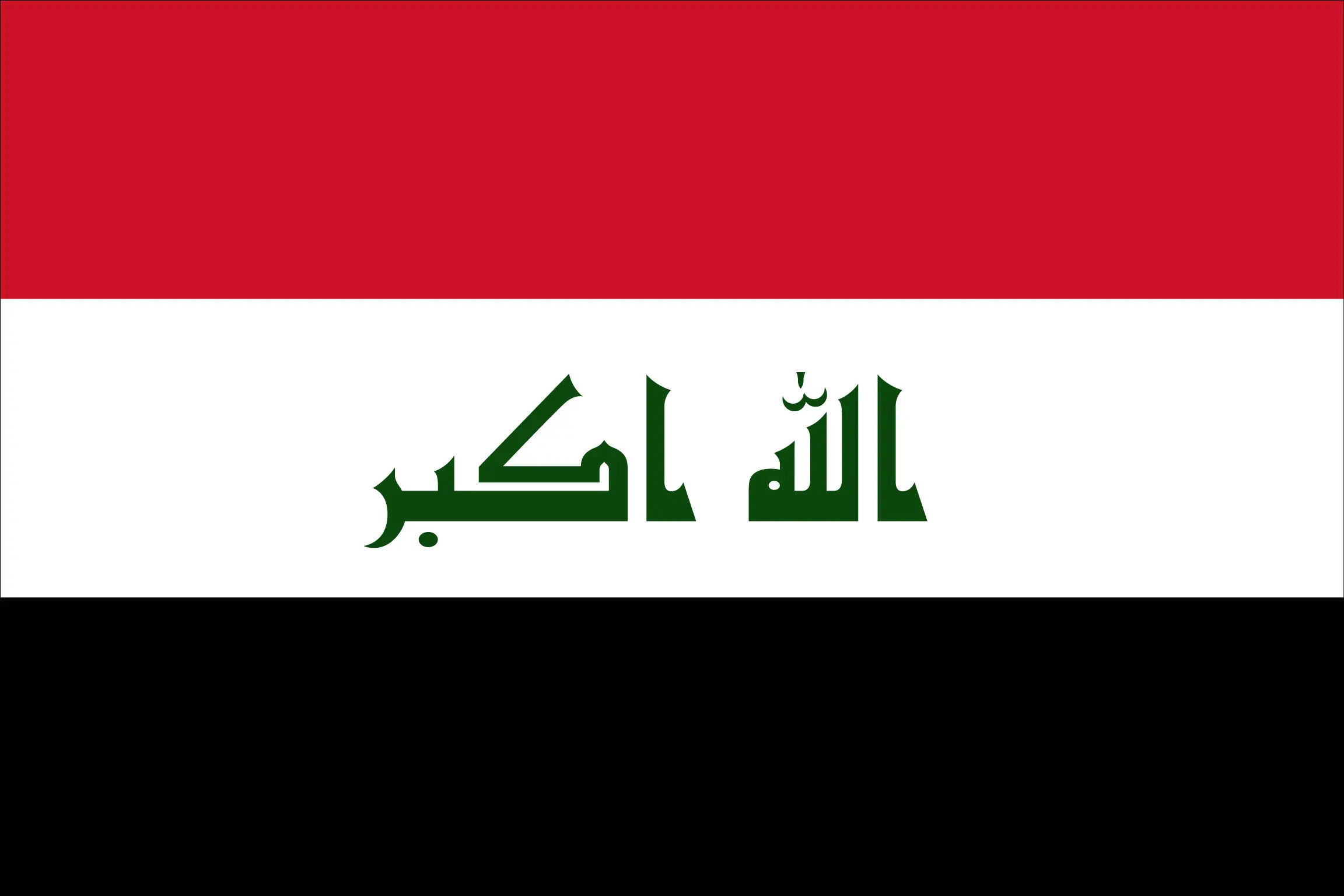
Iraq has remained a focal point of geopolitical discussions since the early 2000s. Its strategic location in the heart of the Middle East, combined with its rich natural resources and diverse cultural heritage, makes it an essential player on the global stage. Recent events in Iraq, particularly in light of political, economic, and security challenges, are crucial not only for the region but also for global stability.
Political Developments
In recent months, Iraq has experienced significant political tensions. Following the 2021 elections, the country has struggled with the formation of a stable government. The political landscape has been marked by protests against corruption and a demand for reform, which have been fueled by youth dissatisfaction with the government’s inability to improve living conditions and provide employment. In October 2023, a national dialogue initiated by political leaders aimed to address these issues, with some progress reported in establishing a coalition government.
Security Situation
Another pressing issue is Iraq’s security landscape. The presence of ISIS remnants continues to pose threats, particularly in rural areas. Despite military operations leading to a significant decline in ISIS’s operational capabilities, sporadic attacks and regional instability remain ongoing concerns. In September 2023, the Iraqi Security Forces launched operations to eliminate ISIS hideouts in the northern provinces, demonstrating their commitment to ensuring national security.
Economic Challenges
Iraq also confronts substantial economic challenges, exacerbated by fluctuating oil prices, dependence on oil revenue, and the aftermath of decades of conflict. Although oil accounts for more than 90% of government revenue, the economy is vulnerable to global price shifts. In August 2023, the International Monetary Fund (IMF) reported that Iraq’s economic growth rate slightly improved due to higher oil prices but cautioned against insufficient diversification and infrastructure investment. The government has set ambitious goals to diversify the economy, focusing on sectors like agriculture and tourism in 2024.
Conclusion: Looking Ahead
As Iraq navigates through political instability, security threats, and economic difficulties, the international community watches closely. The success of recent political dialogue initiatives and the government’s ability to implement economic reforms are crucial for the country’s future. For the readers, understanding Iraq’s complex situation provides insights into not only regional dynamics but also the broader implications for international relations and economic trends. Continued engagement and support from global partners may help Iraq achieve stability and promote prosperity for its people.