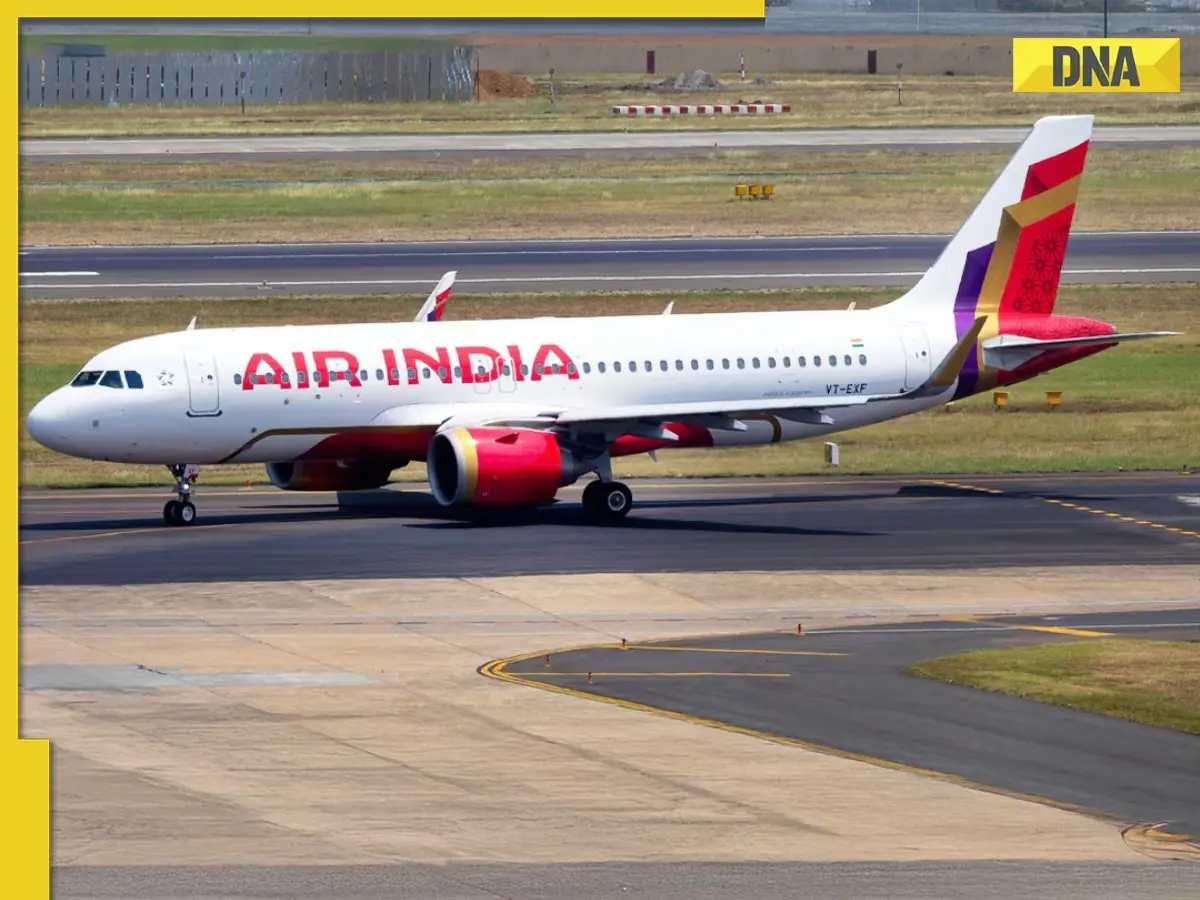
The Importance of the Airline Industry
The airline industry plays a crucial role in the global economy, facilitating international trade, tourism, and business travel. As one of the most dynamic sectors, it significantly impacts employment and economic growth. Recent disruptions due to the COVID-19 pandemic have reshaped the industry, leading to innovations and changes in consumer preferences.
Recent Developments
As air travel continues its recovery post-pandemic, airlines are experiencing a surge in passenger demand. According to the International Air Transport Association (IATA), global air traffic reached 80% of pre-pandemic levels in 2023, reflecting strong desire among travelers to return to flight. Major airlines such as Delta, United, and American Airlines have reported increased bookings and revenue growth, attributing it to pent-up demand for leisure and business travel.
Moreover, the industry is undergoing significant technological transformations. Airlines are investing heavily in digitalization to enhance customer experience. Innovations such as mobile check-in, contactless boarding, and streamlined customer service are redefining how passengers interact with airlines. The integration of Artificial Intelligence (AI) is also gaining traction, with AI algorithms predicting consumer preferences and optimizing operations.
Sustainability Efforts
Another critical focus in the airline industry is sustainability. With growing concerns over climate change, airlines are taking bold actions to reduce their carbon footprints. Many are investing in sustainable aviation fuels (SAF), which can significantly lower emissions compared to traditional jet fuels. IATA aims for the industry to achieve net-zero carbon emissions by 2050, emphasizing the necessity for innovation and collaboration.
Challenges Ahead
Despite the optimistic recovery trajectory, the airline industry faces several challenges. Rising fuel prices, supply chain disruptions, and labor shortages are emerging concerns. The recent increase in jet fuel prices has prompted airlines to reassess their pricing strategies. Additionally, securing sufficient staff to meet travel demand is paramount as many airports and airlines continue to navigate hiring challenges experienced during the pandemic.
Conclusion
The airline industry’s recovery is essential for economic revitalization and connectivity worldwide. As the sector adapts to changing consumer behaviors and demands, innovations in technology and sustainability will play a crucial role in shaping its future. For travelers, this means enhanced experiences and potentially more eco-friendly travel options. Observing how airlines navigate the fine balance of demand, challenges, and sustainability will be vital for stakeholders and travelers alike.