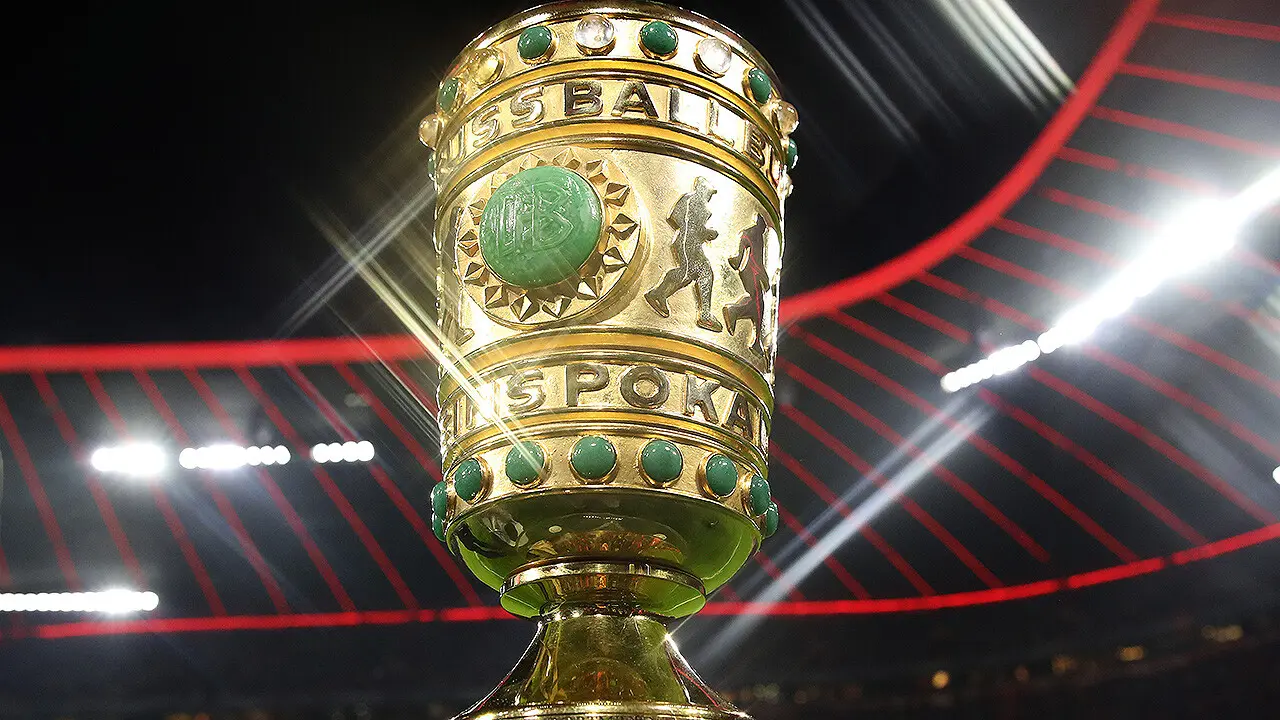
The DFB-Pokal: An Overview
The DFB-Pokal, also known as the German Cup, is a major knockout football competition held annually in Germany. Organized by the German Football Association (DFB) since 1935, this prestigious tournament features clubs from both the Bundesliga and lower divisions, making it a fantastic showcase for footballing talent across the country. The tournament is not just crucial for the competing teams, but it also holds great significance for fans, serving as a platform where underdogs can challenge the established superpowers of German football.
Recent Developments and Highlights
The 2023 DFB-Pokal Final, held on June 3, 2023, saw RB Leipzig defeat Eintracht Frankfurt with a stunning 2-0 scoreline, marking Leipzig’s second consecutive Pokal victory. This triumph not only secured Leipzig’s qualification for the 2024-25 UEFA Europa League but also emphasized their growing dominance in German football since their promotion to the Bundesliga in 2016. Meanwhile, teams from the lower divisions continued to impress this season, with several surprises in earlier rounds. Notably, SC Freiburg’s run to the semifinals was a remarkable feat, demonstrating the tournament’s unpredictability.
The Significance of the DFB-Pokal
The DFB-Pokal serves multiple purposes beyond the competition itself. First, it provides significant financial incentives for clubs of all sizes. Participating teams benefit from matchday revenues, sponsorships, and broadcasting rights. For lower-division teams, a strong performance can lead to increased visibility and lure potential new fans. Moreover, the DFB-Pokal has a unique tradition, where upsets are not uncommon, reminding audiences of the unpredictability that makes football captivating. The final is particularly celebrated, often drawing nearly 75,000 fans to Berlin’s Olympiastadion.
Future Projections
As discussions around the format and structure of the DFB-Pokal continue, fans can anticipate further evolution within the tournament. The increasing competitiveness among smaller clubs suggests that future seasons may present even more thrilling encounters. As teams continue to invest in youth development and scouting, the mix of seasoned Bundesliga teams and ambitious underdogs promises an exciting future for the DFB-Pokal.
Conclusion
The DFB-Pokal stands as a testament to the spirit of German football. With its rich history and promising future, this tournament remains essential not just to clubs and players but also to countless fans filled with excitement every time their teams take to the pitch. As the next season approaches, the anticipation builds once more for the drama that only the DFB-Pokal can deliver.